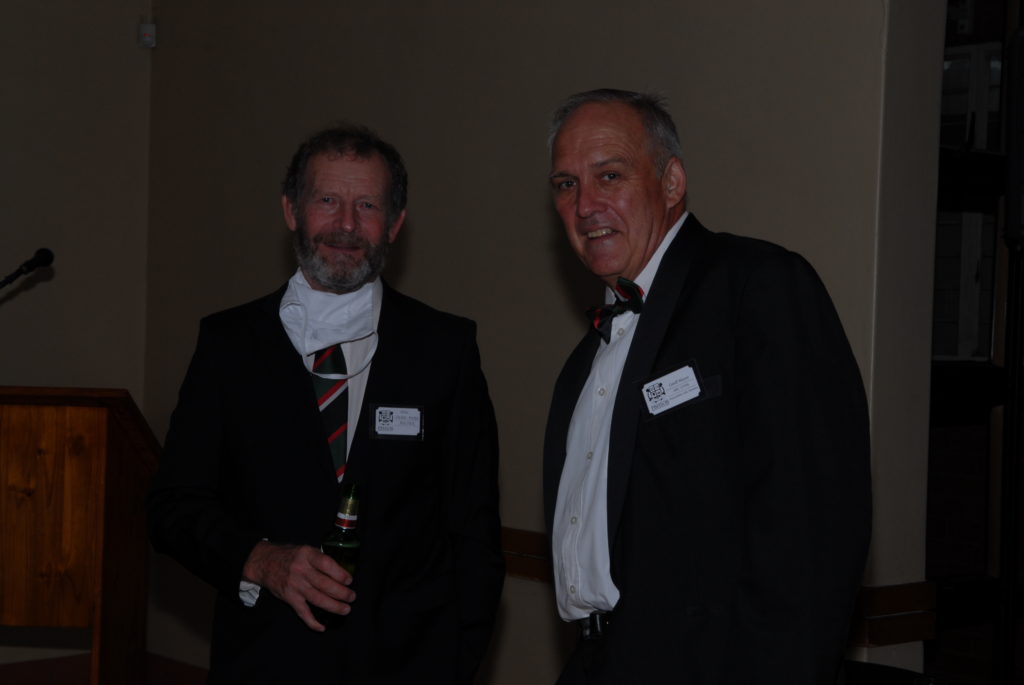
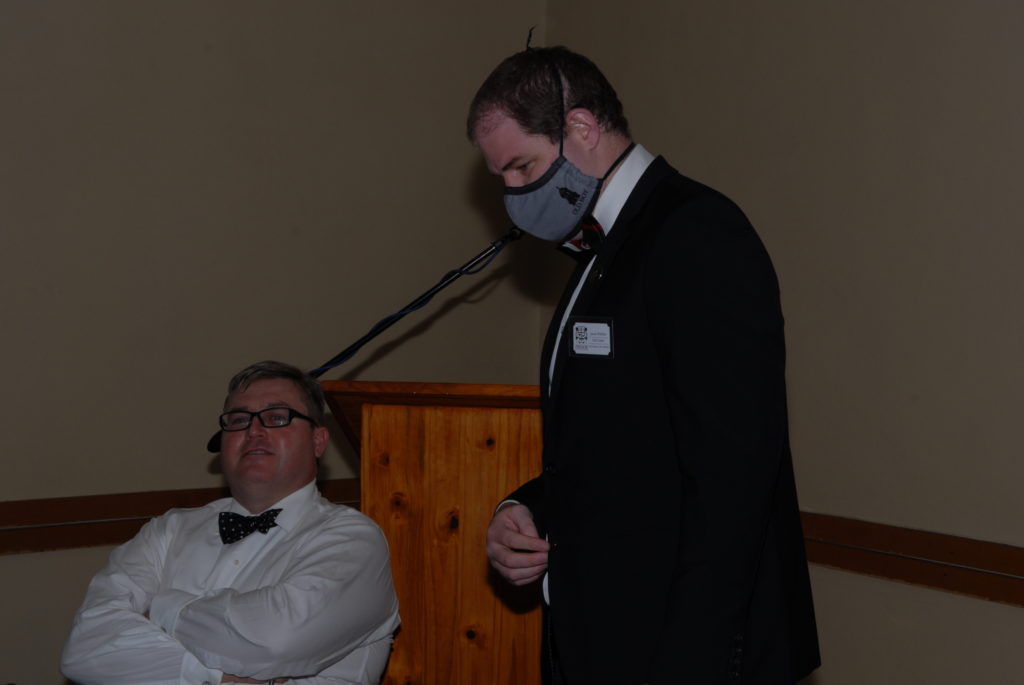
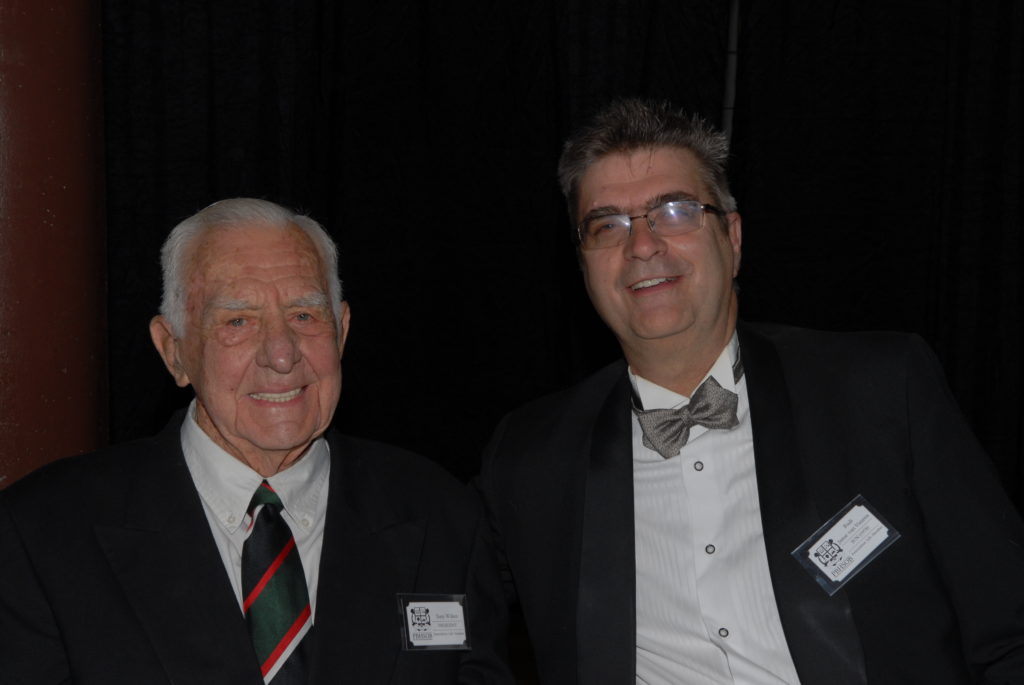
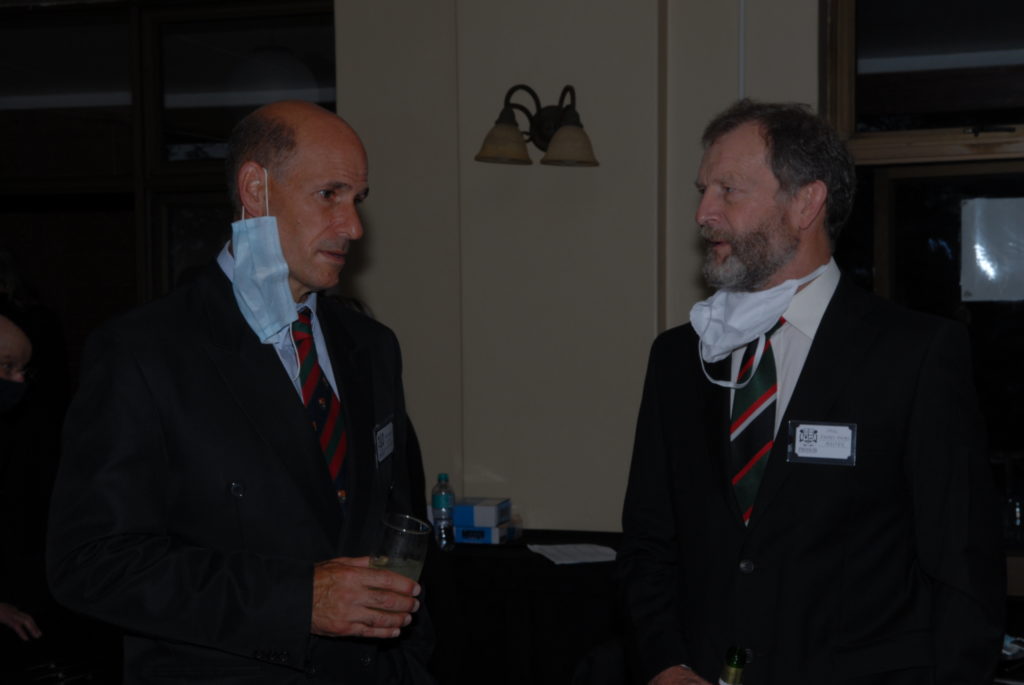
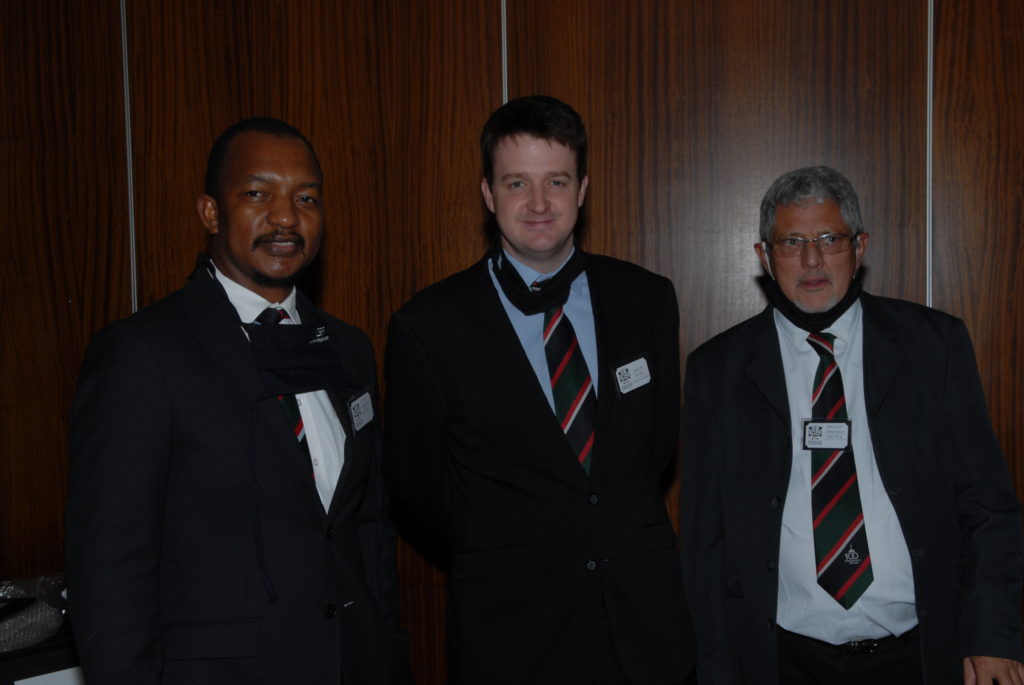
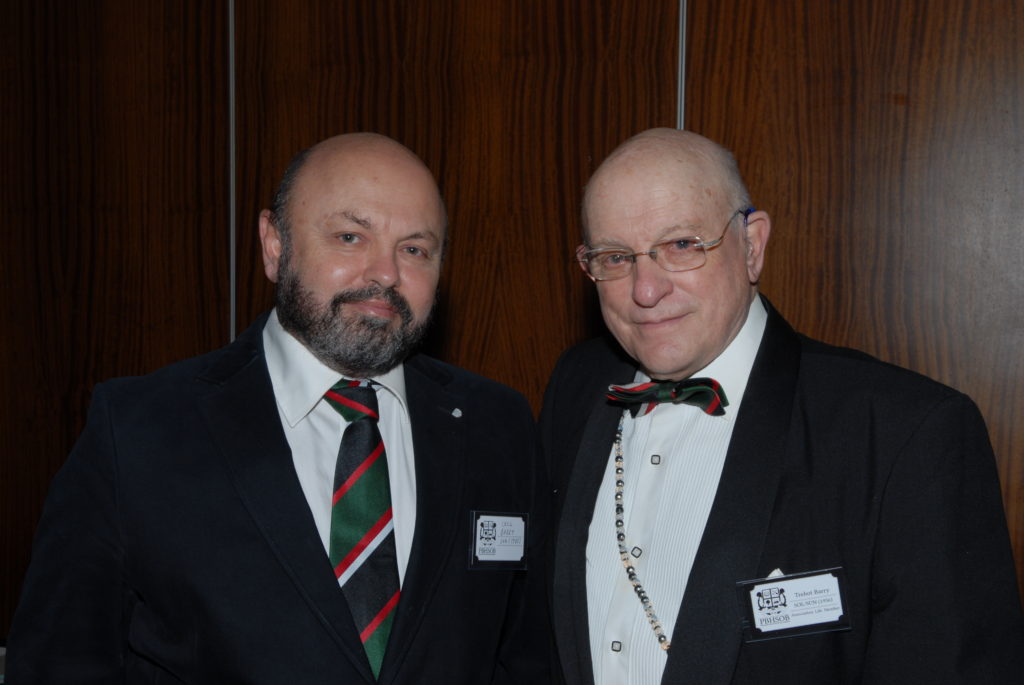
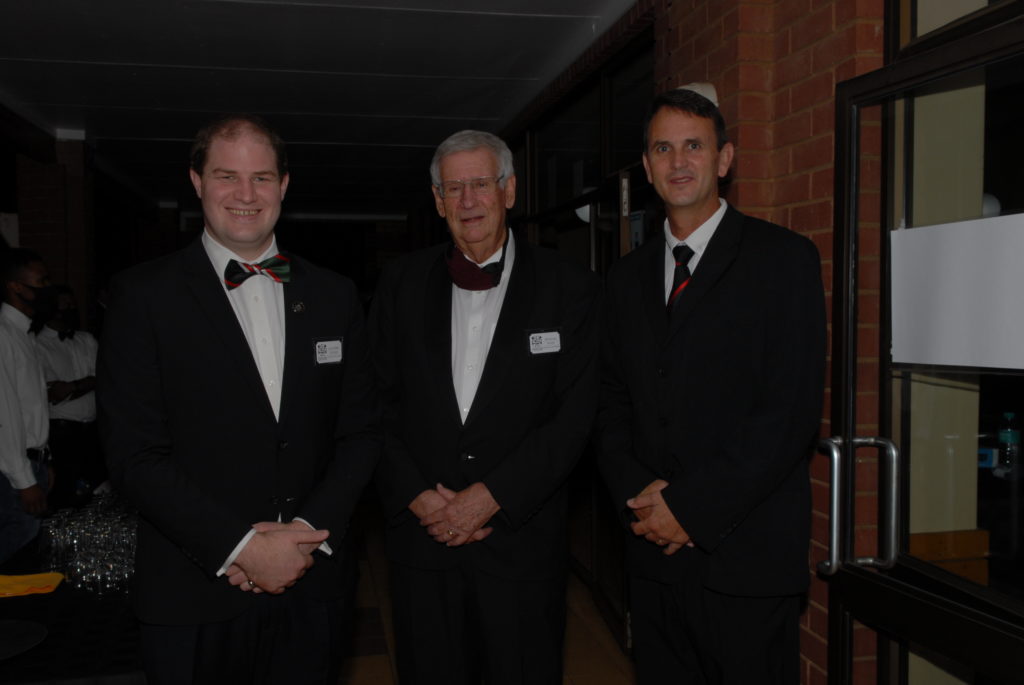
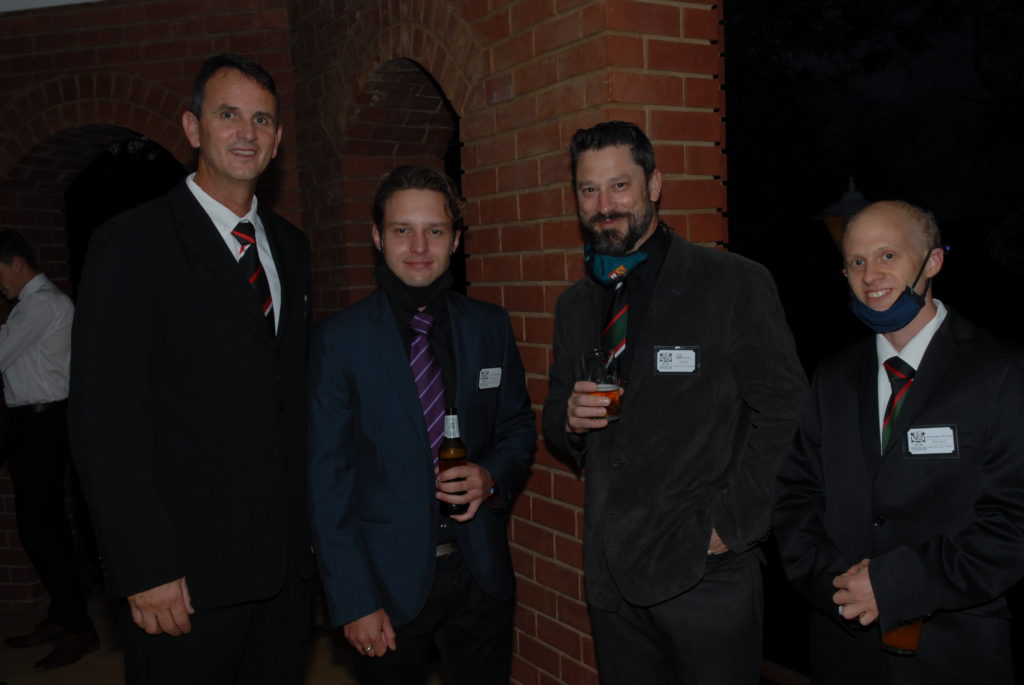
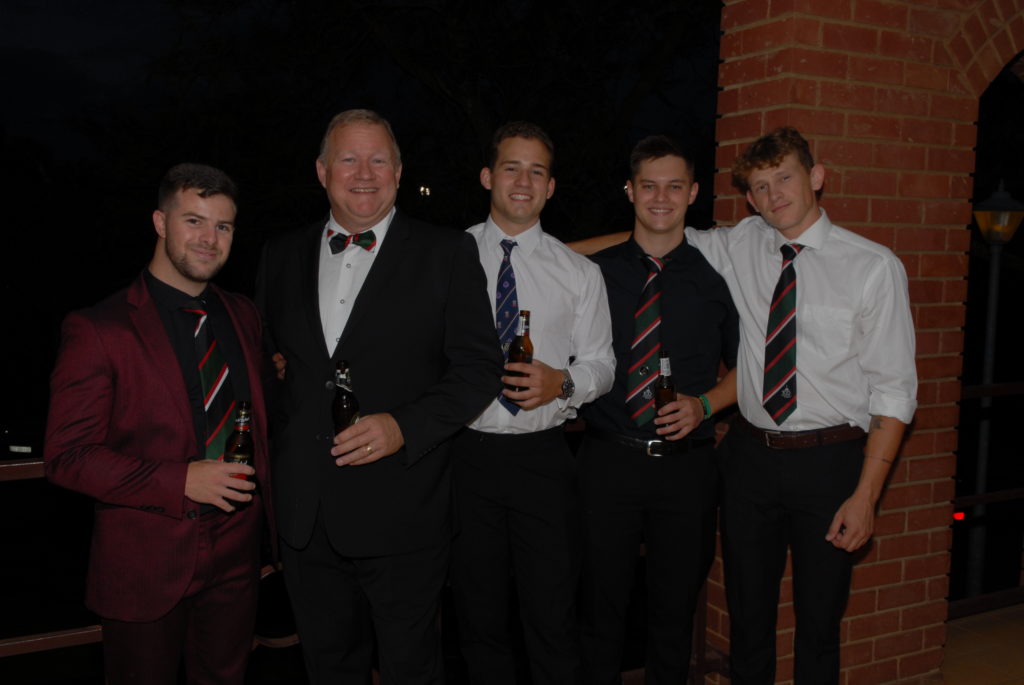
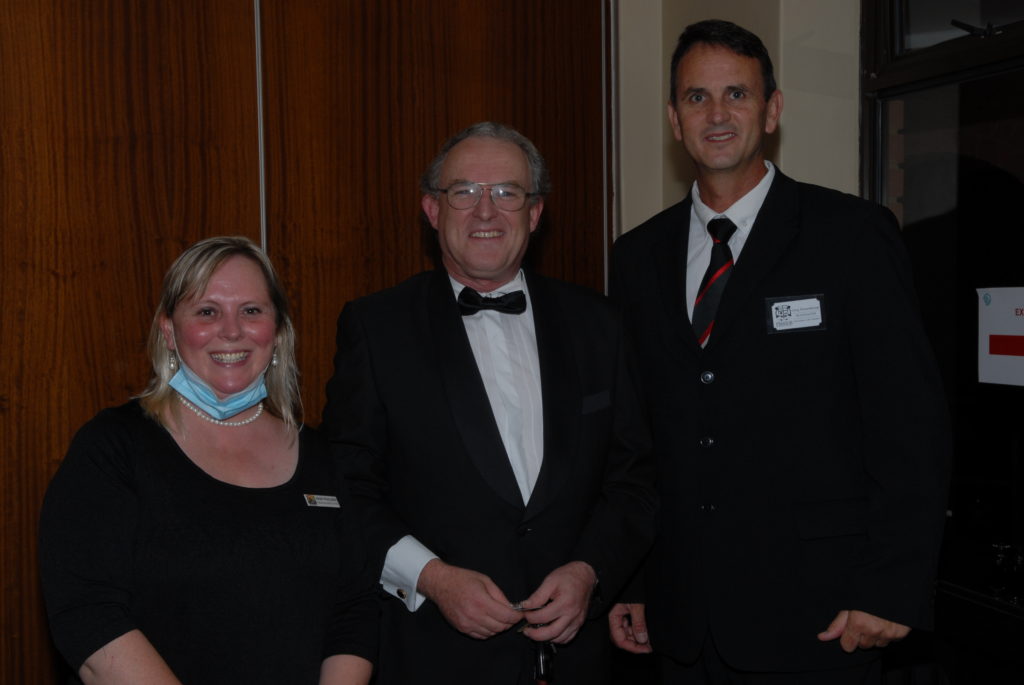
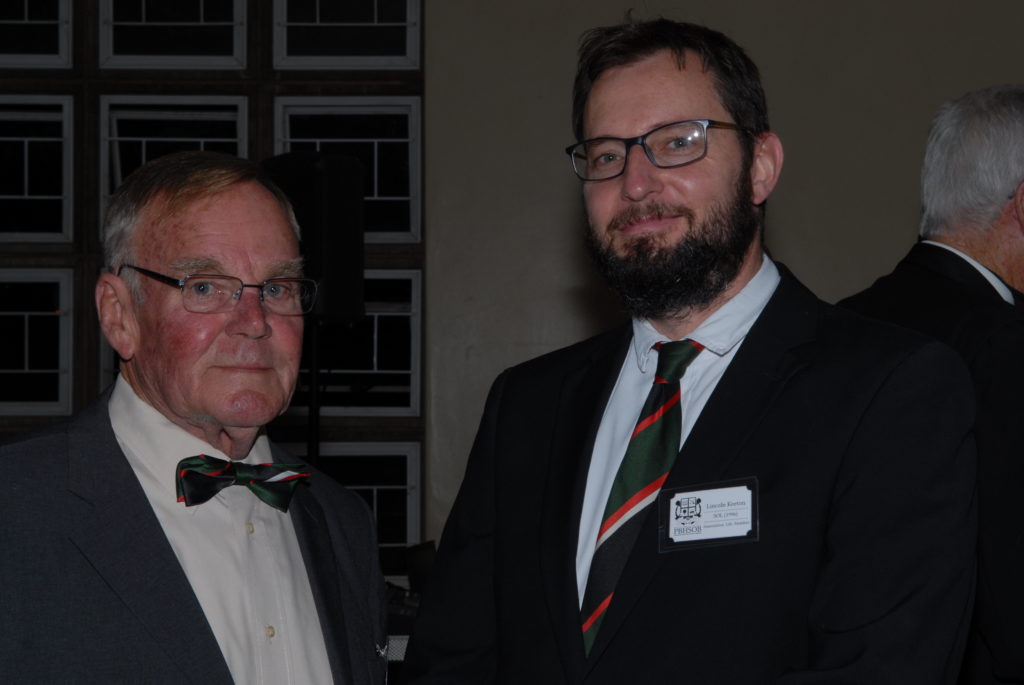
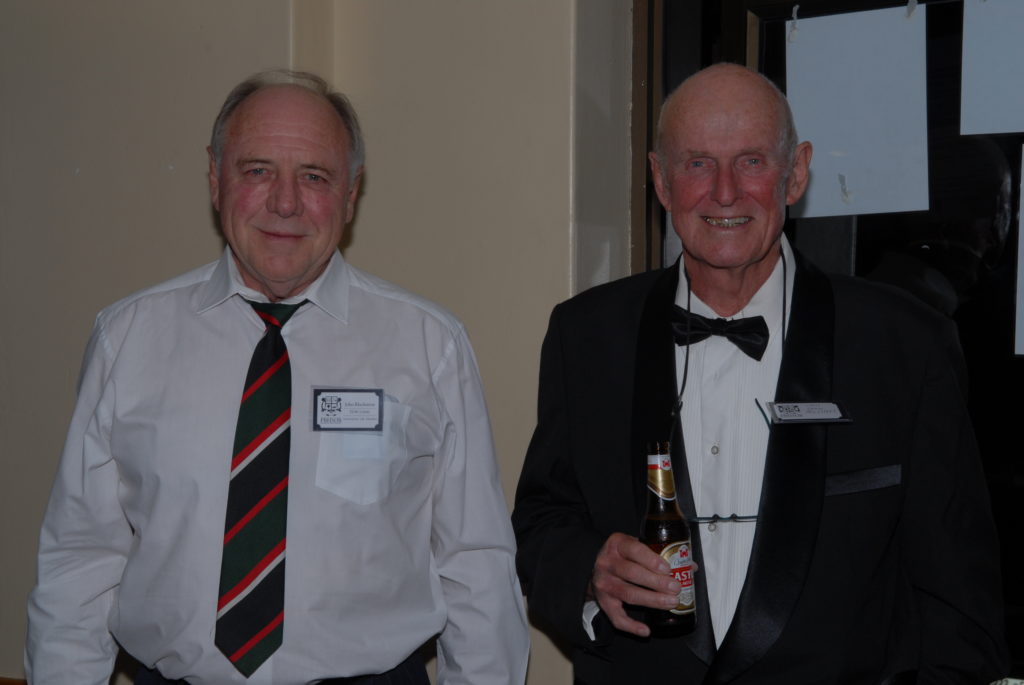
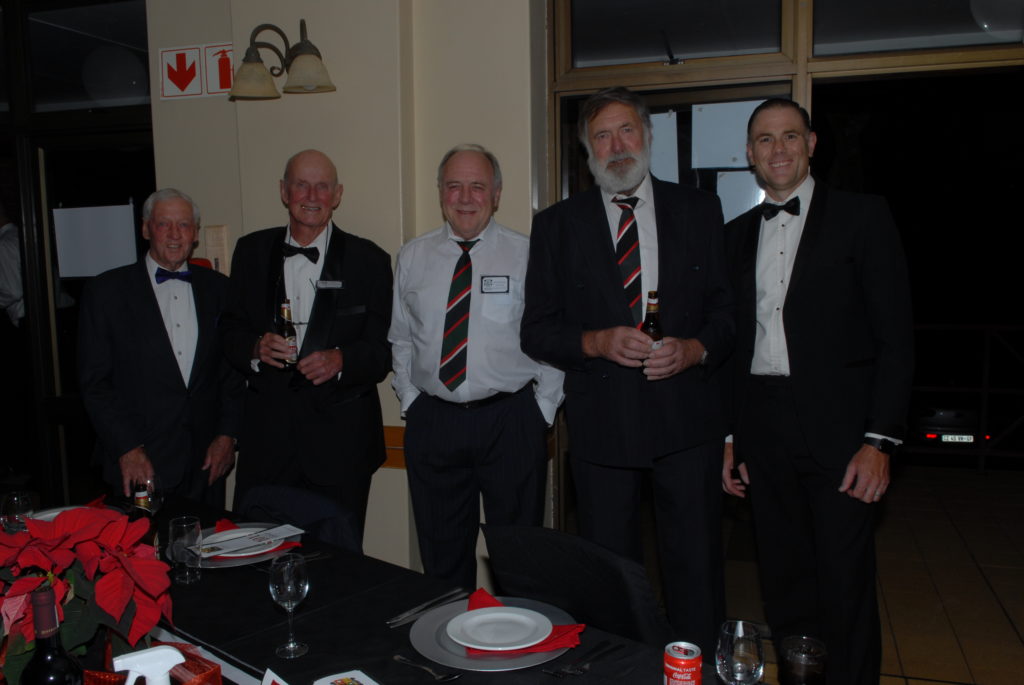
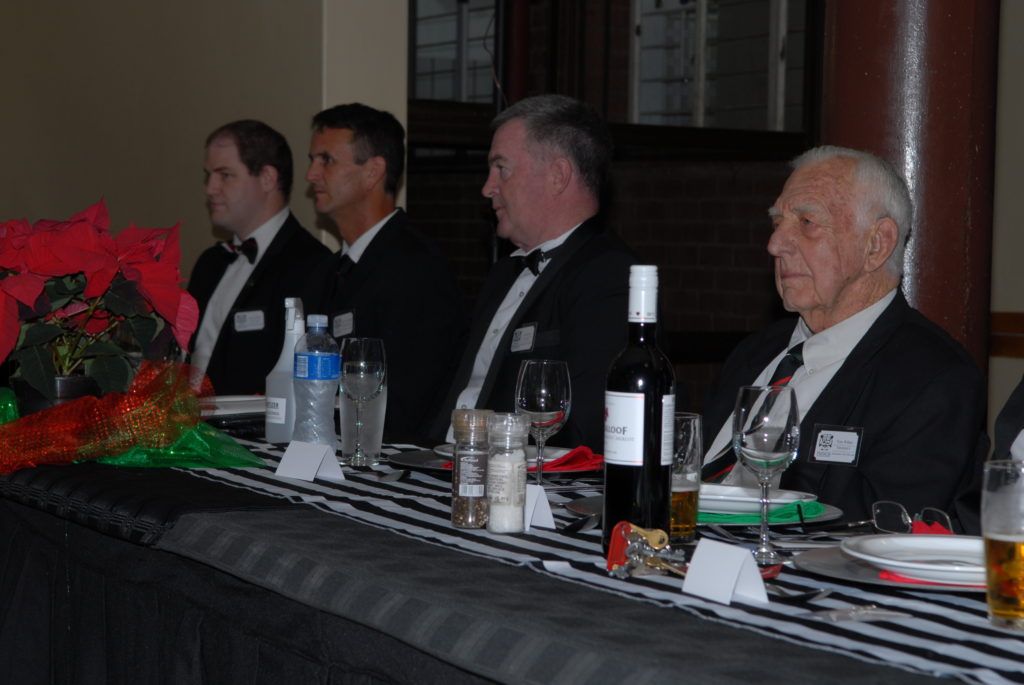
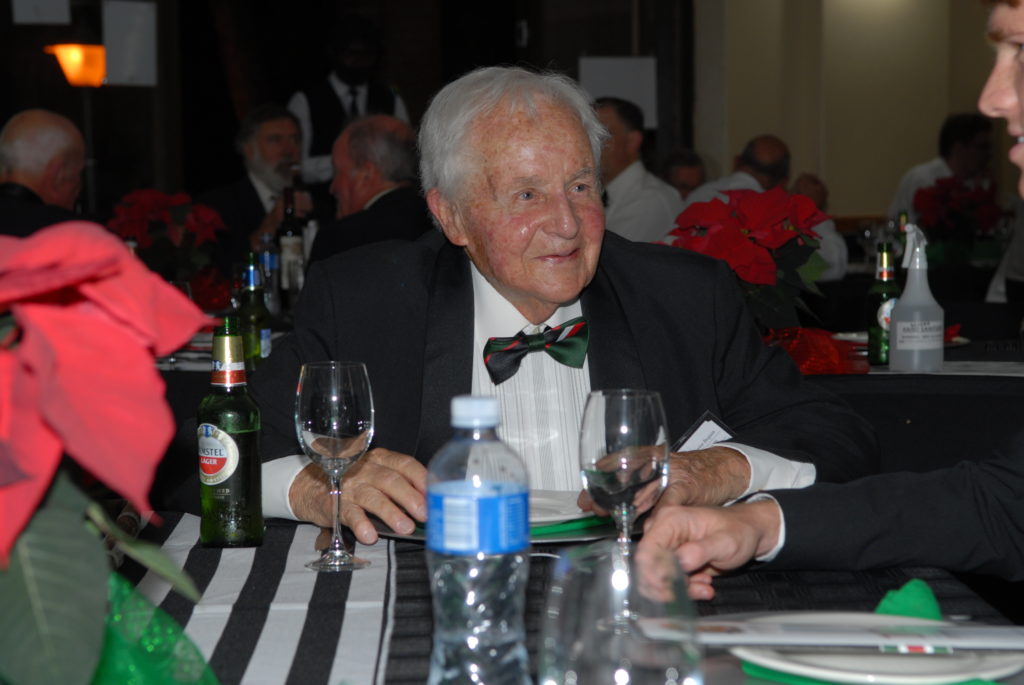
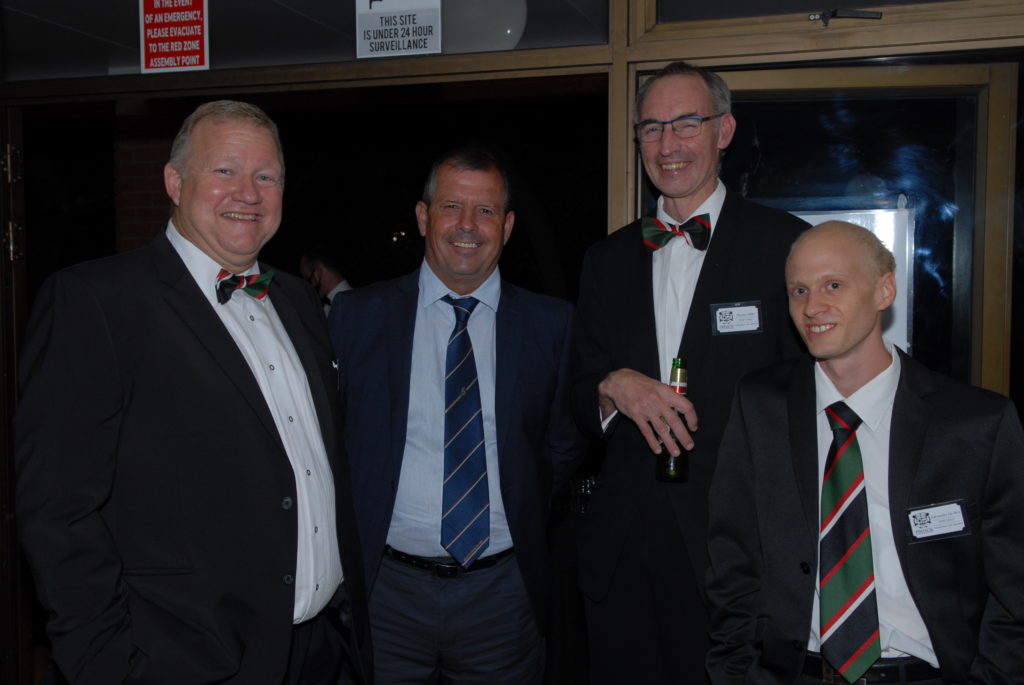
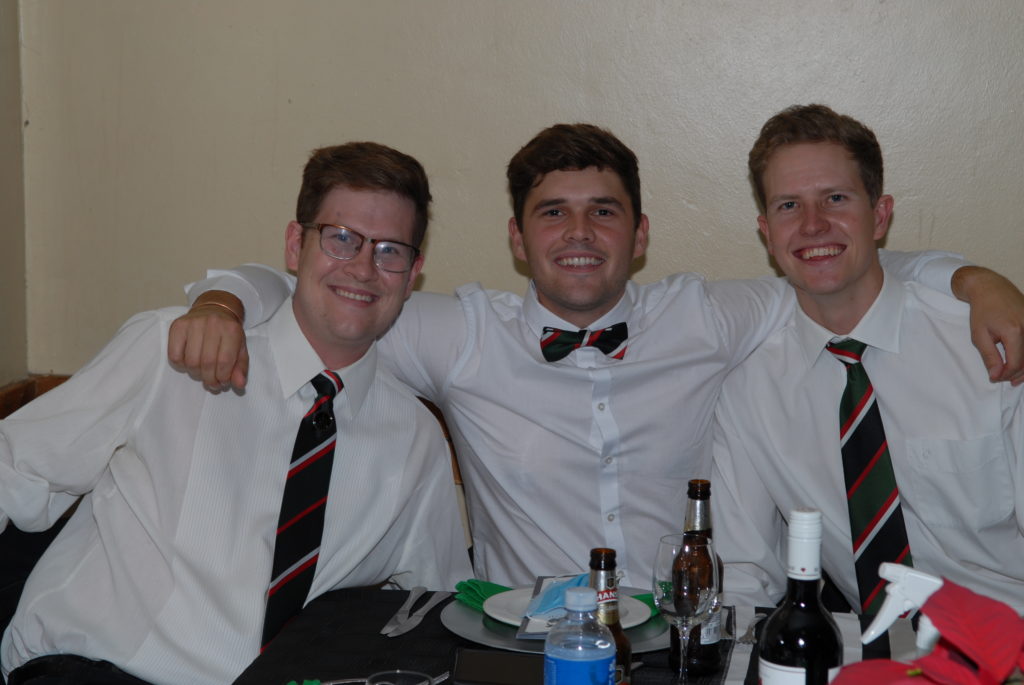
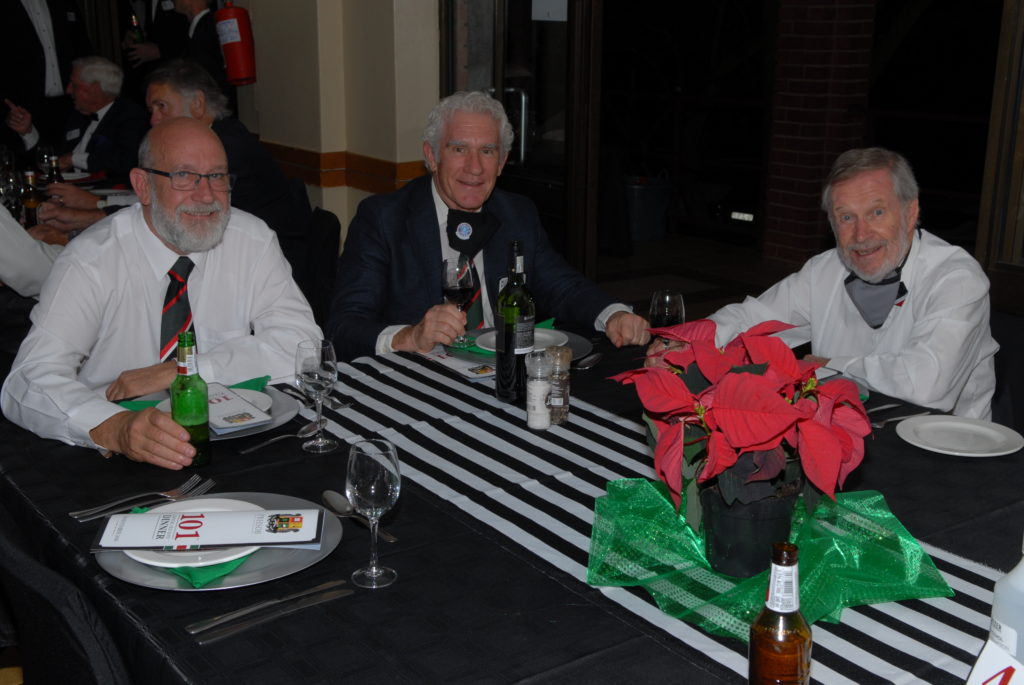
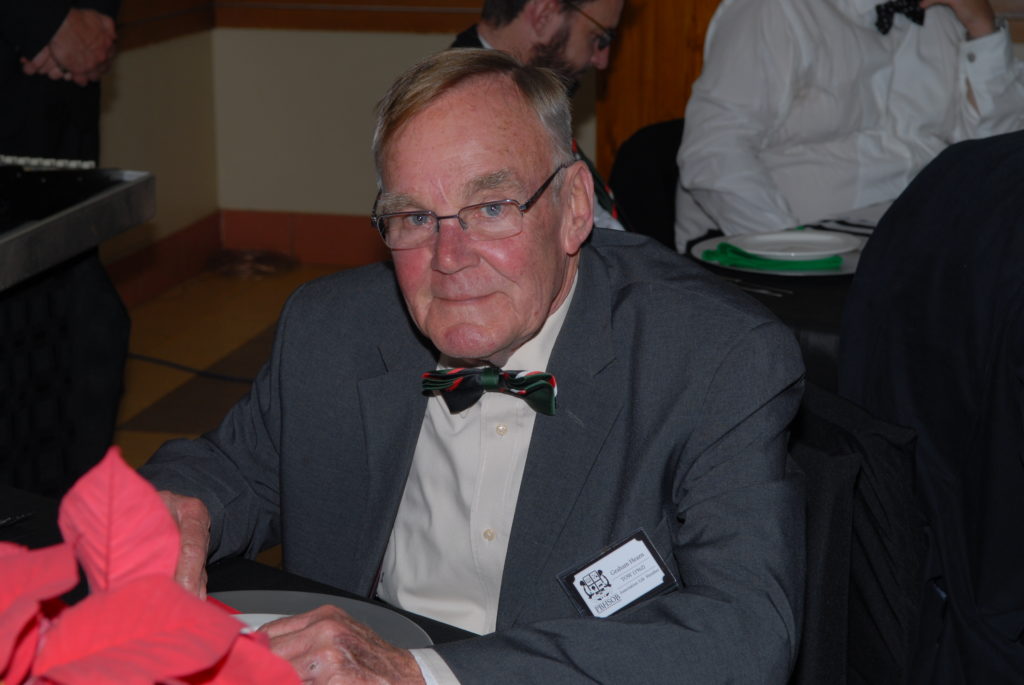
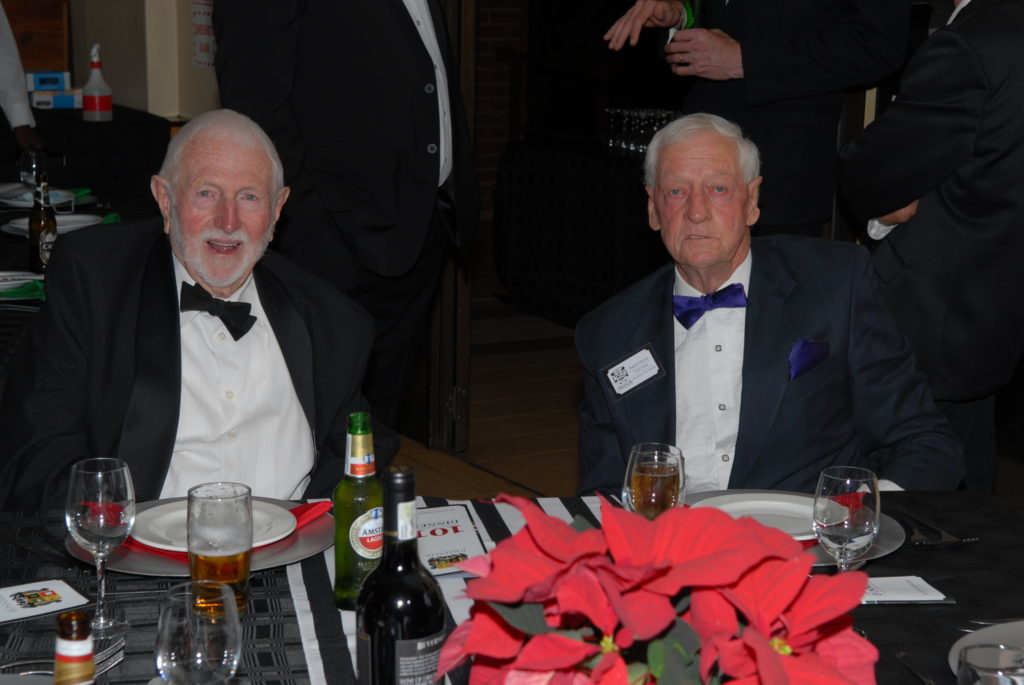
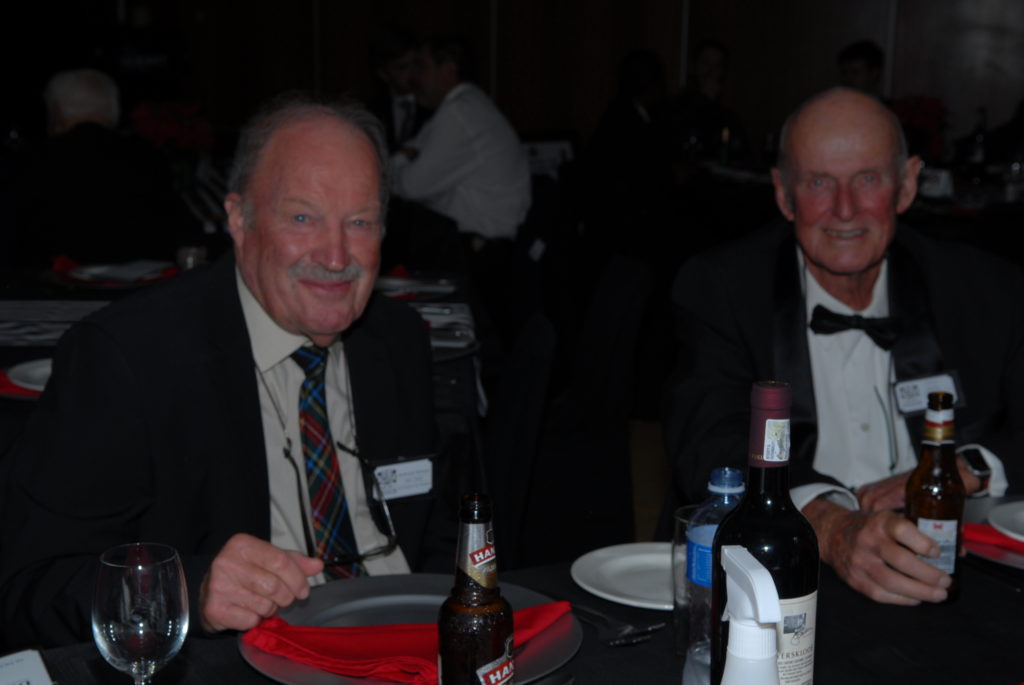
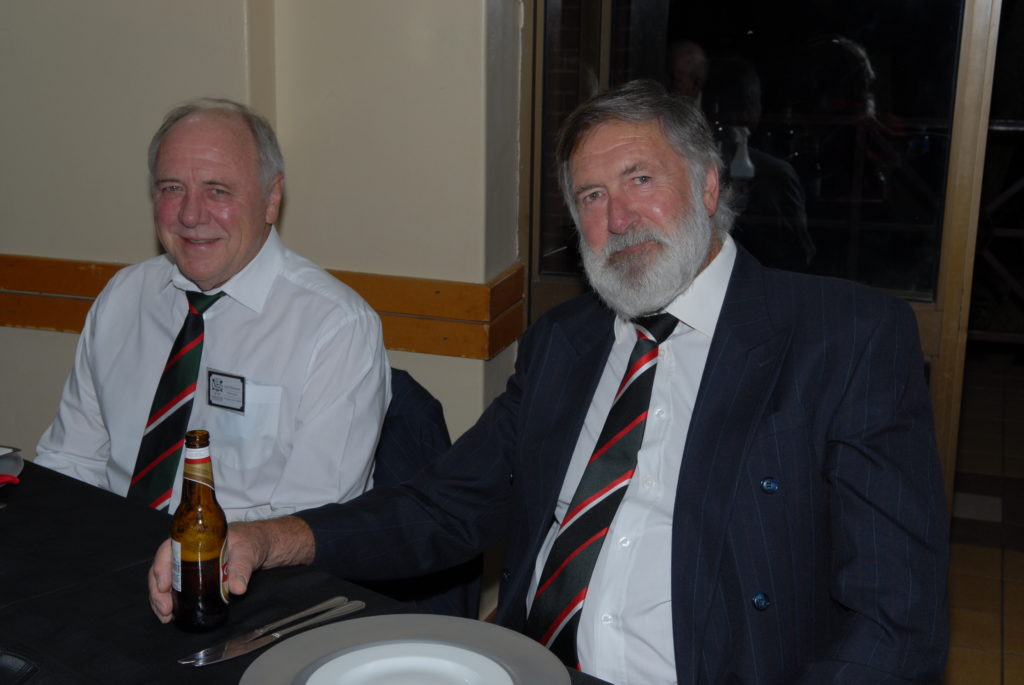
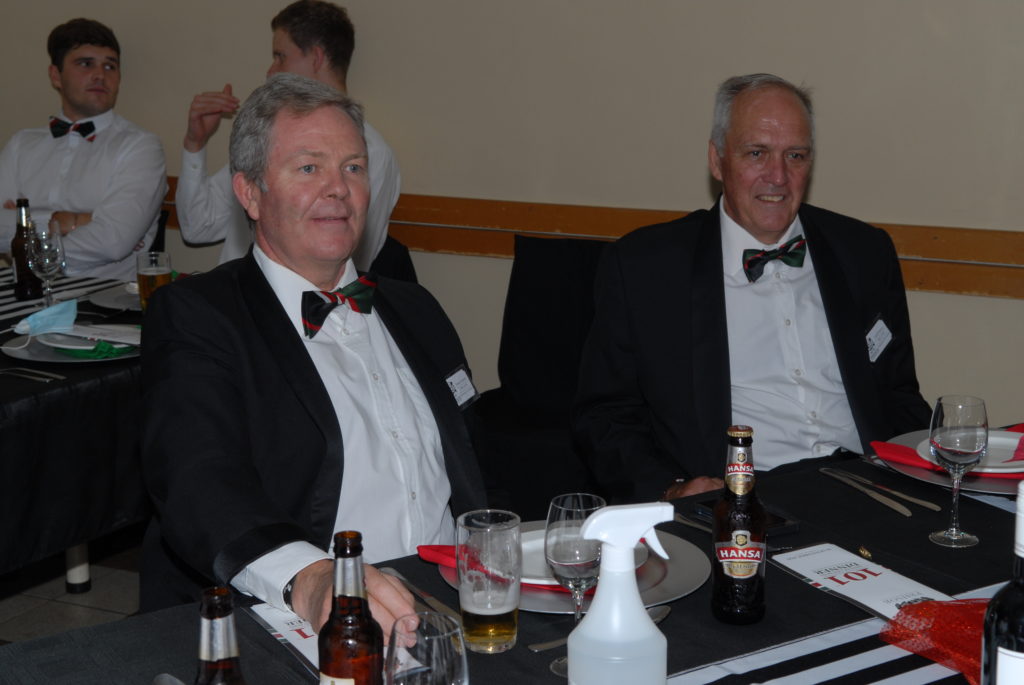
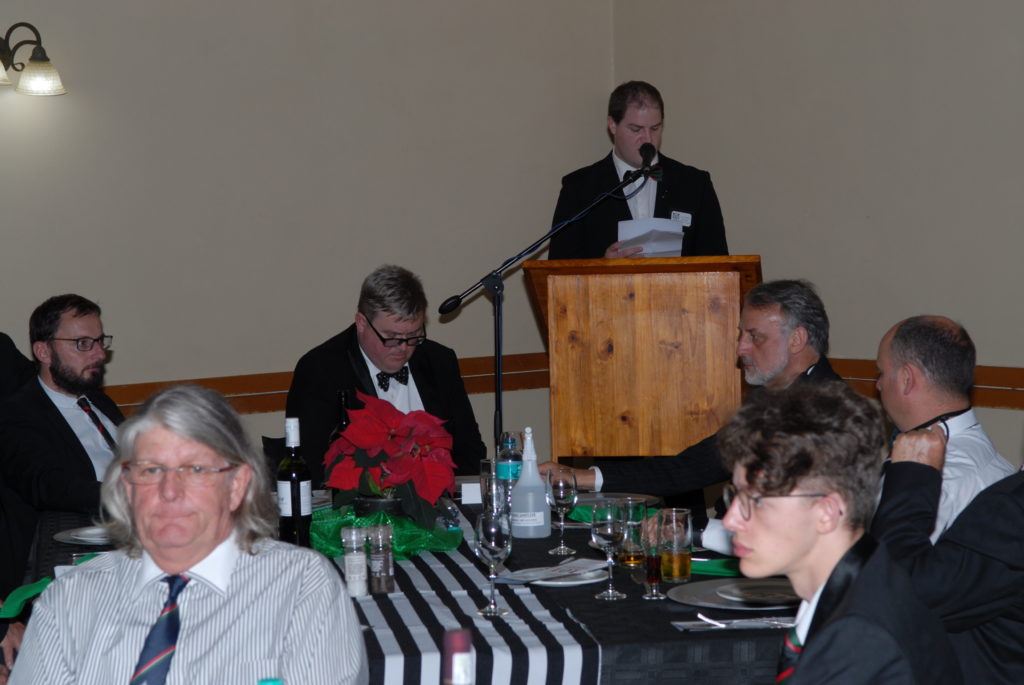
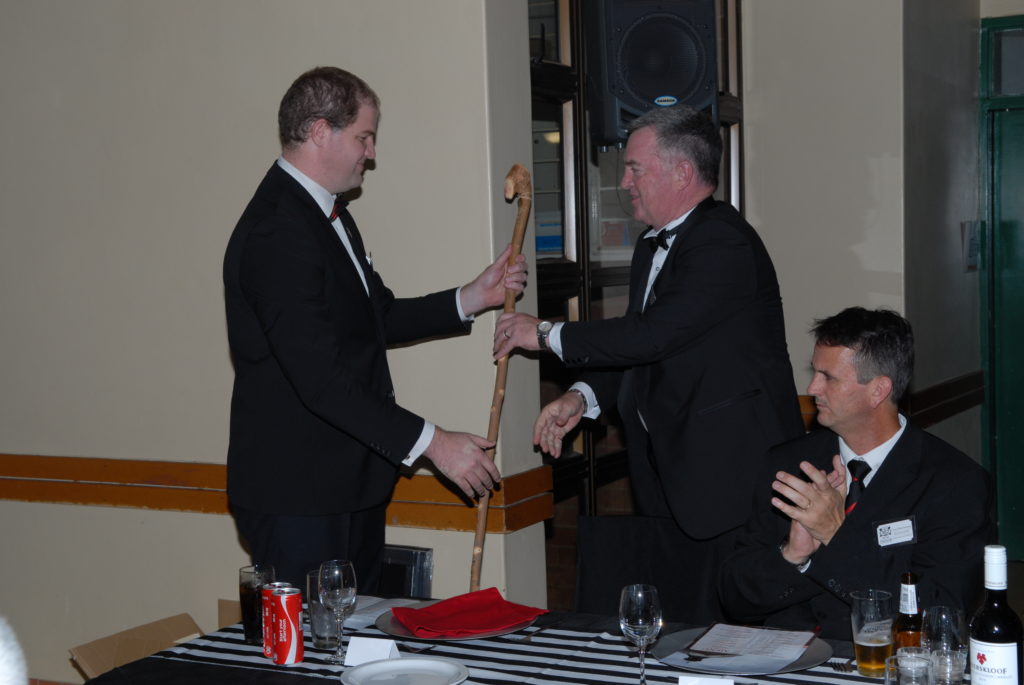
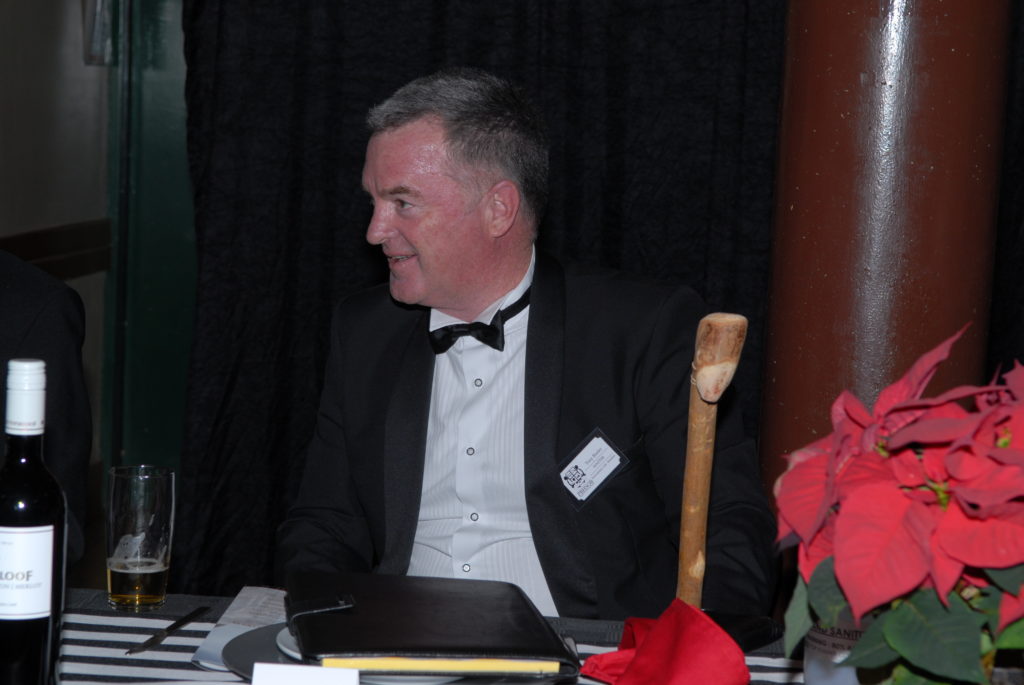
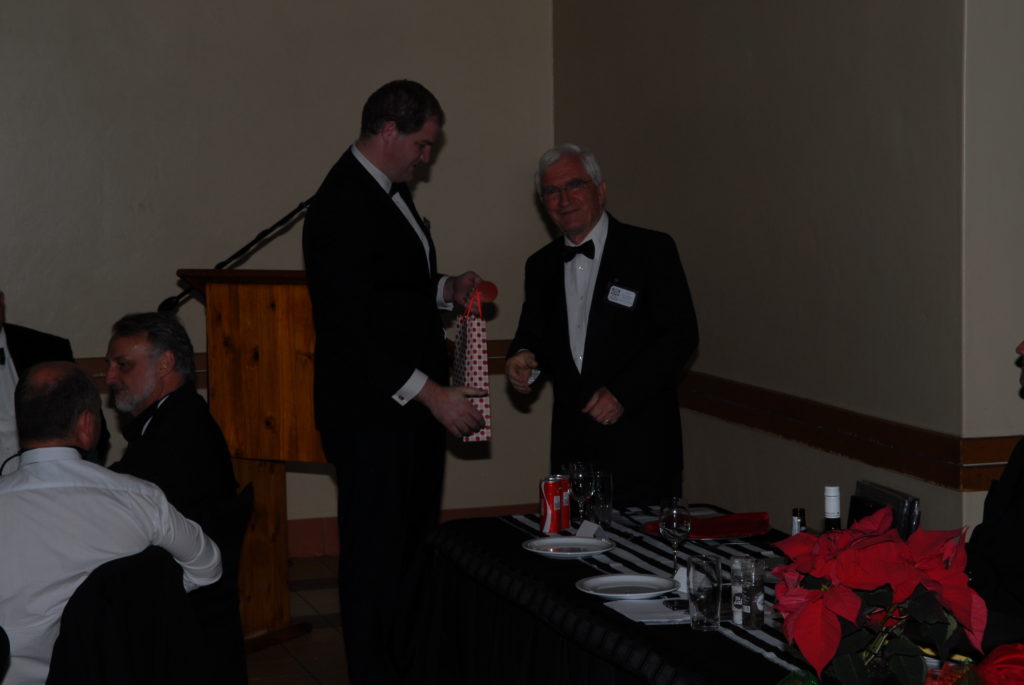
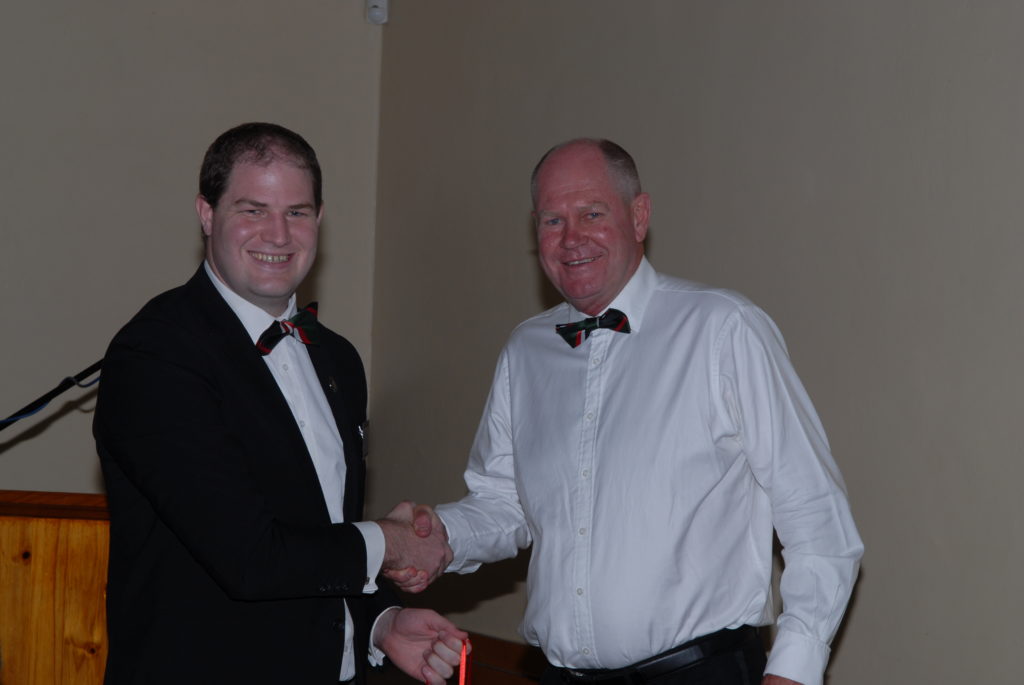
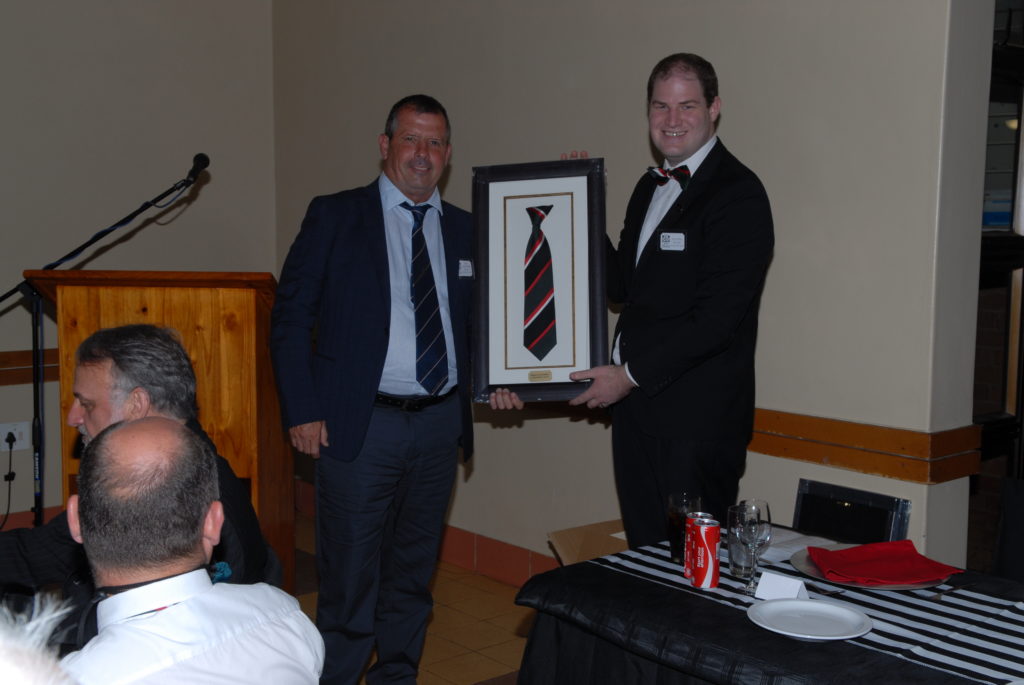
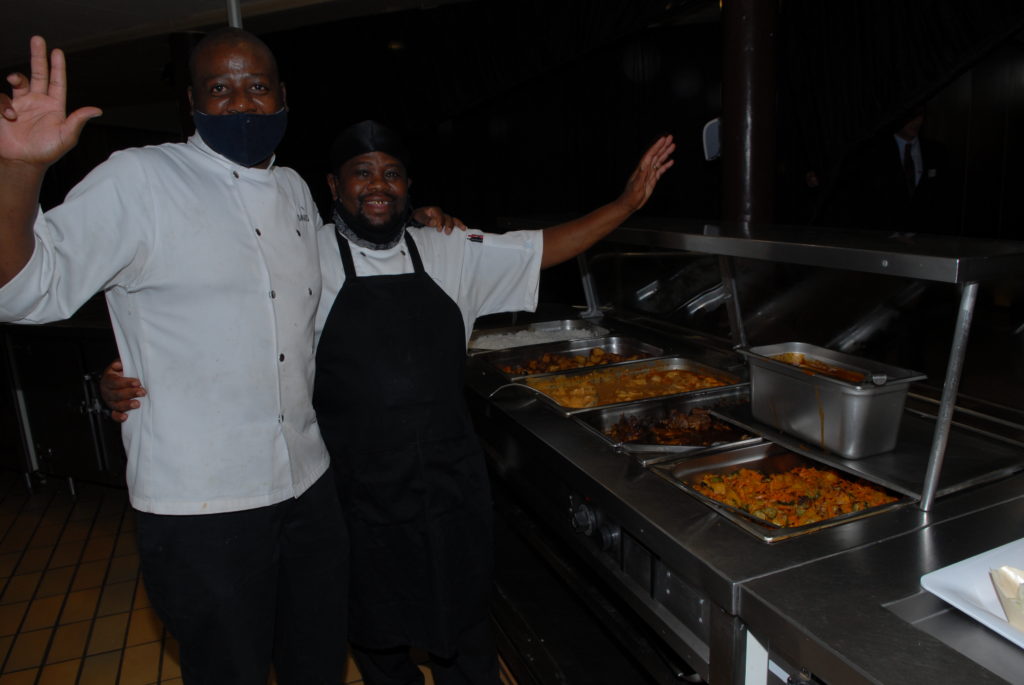
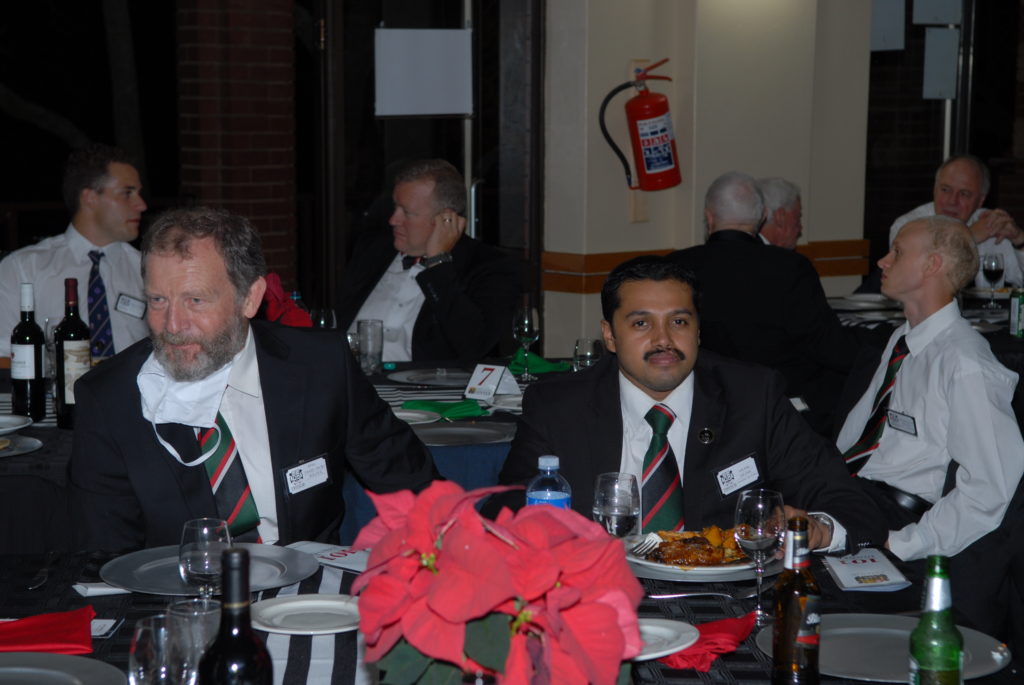
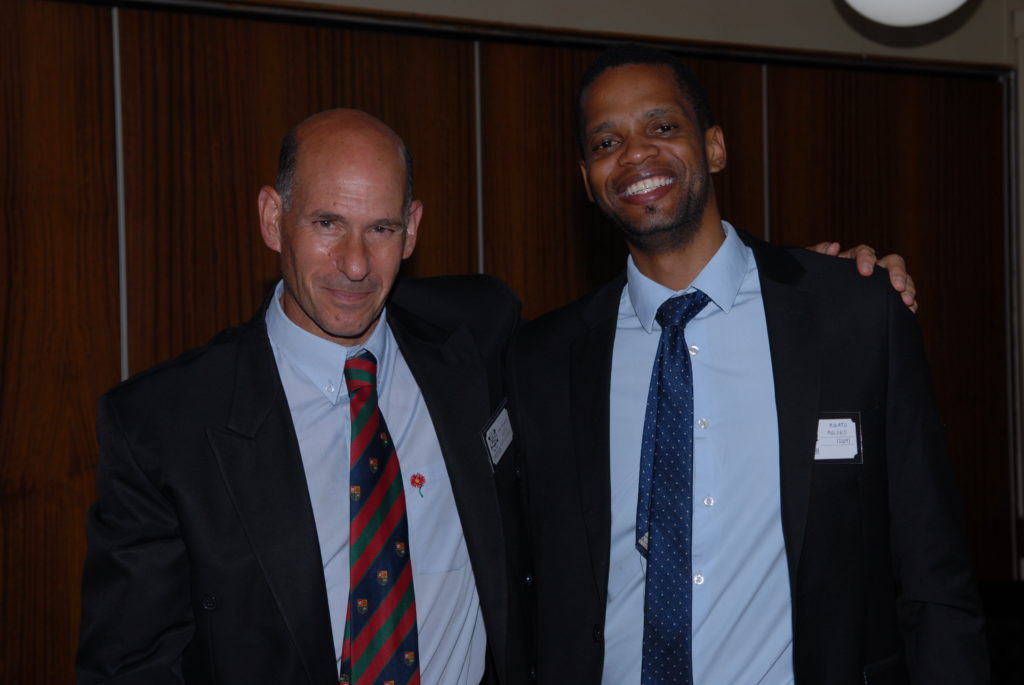
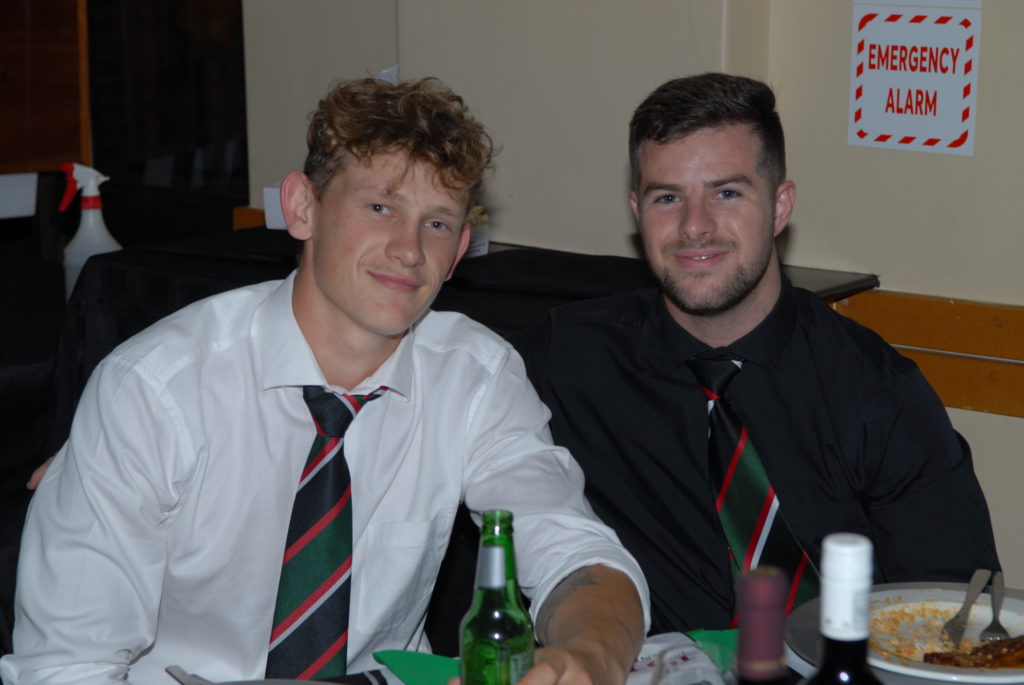
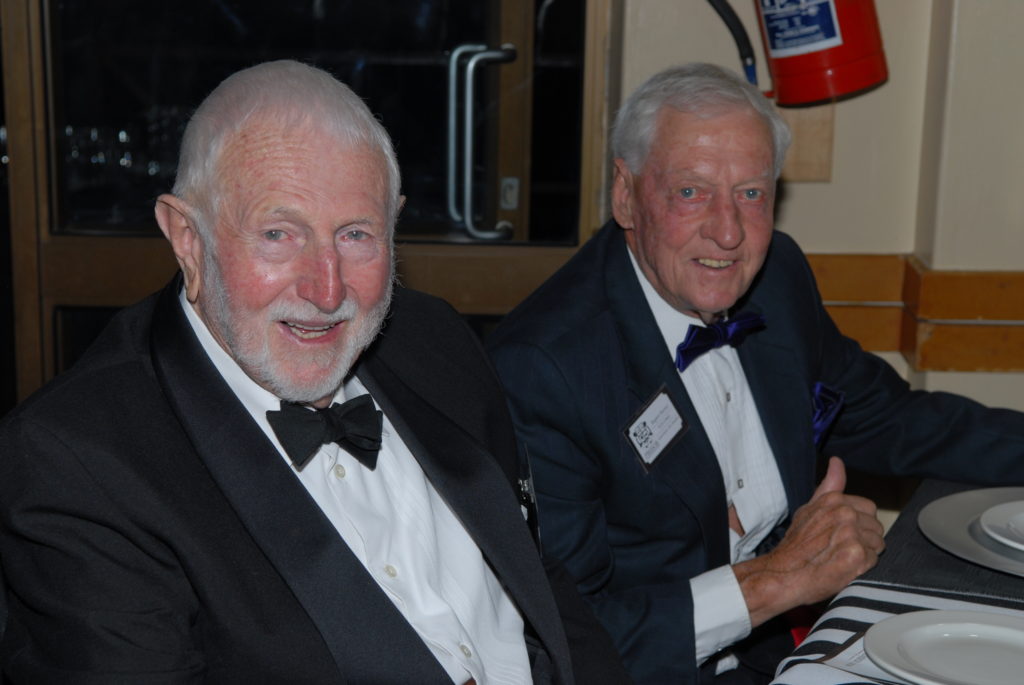
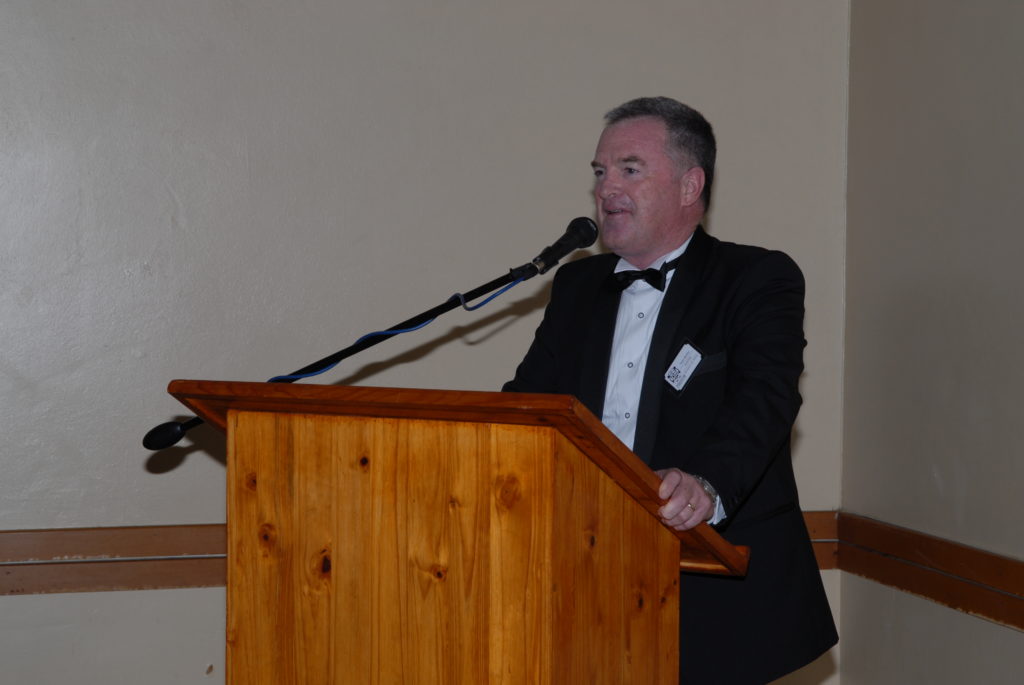
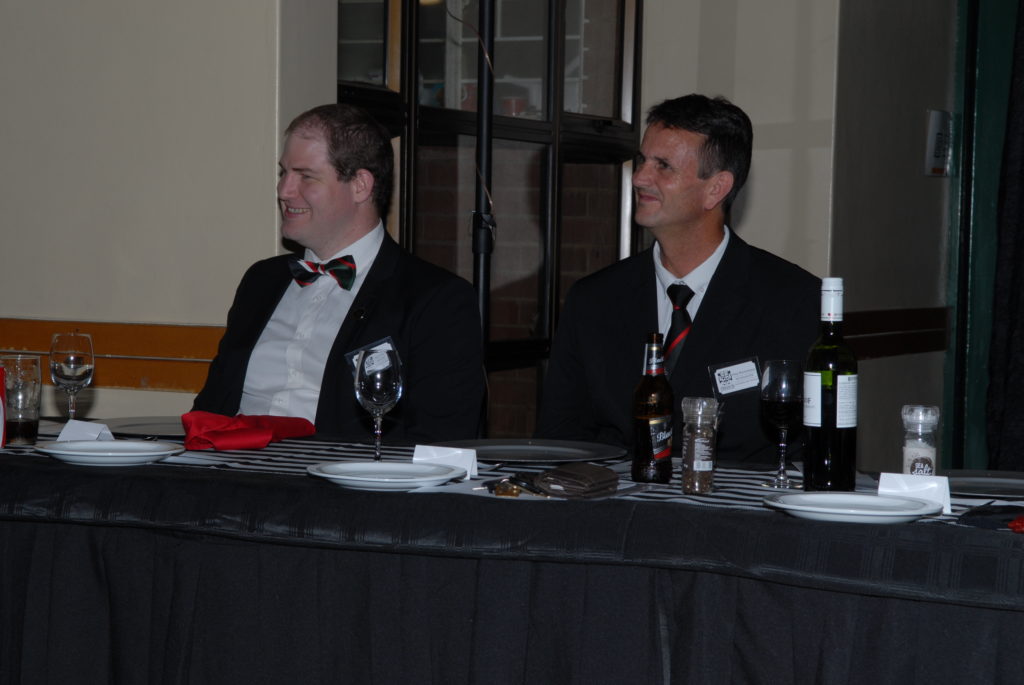
Distant bagpipes welcomed Old Boys to the annual dinner on a balmy Saturday, 28 November 2020. Although Old Boys may have been willing to cross oceans to be there, it was only a lucky few whose circumstances allowed them to forget the plague for a while (between liquor bans) to attend what might have been their first masked party.
The master of ceremonies was Eugene Ashton, whose humour tickled especially the erstwhile boarders. He asked Werner Obermeyer to improve upon an earlier version of grace and for Niel Van Der Watt to say a toast to absent friends.
John Illsley continued the formalities with a toast to South Africa in which he offered some historical perspective as comfort to the challenges we face. He suggested that the one source of optimism is that, even after over a century, schools like ours remain well-placed to feed the country with quality education and the values they teach. They continue to produce young men who improve their community.
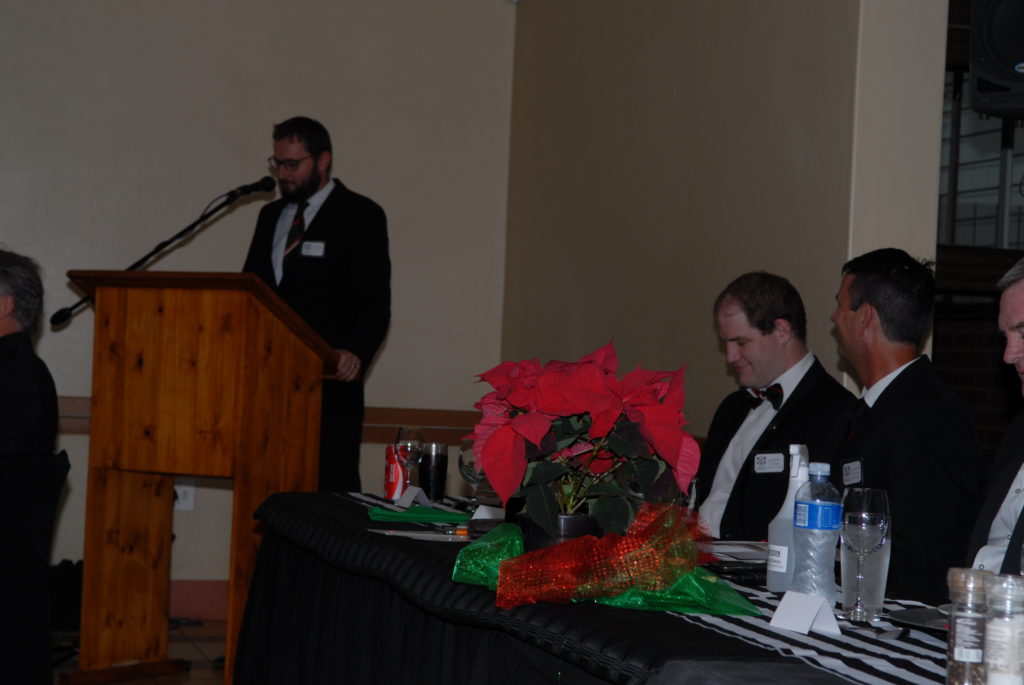
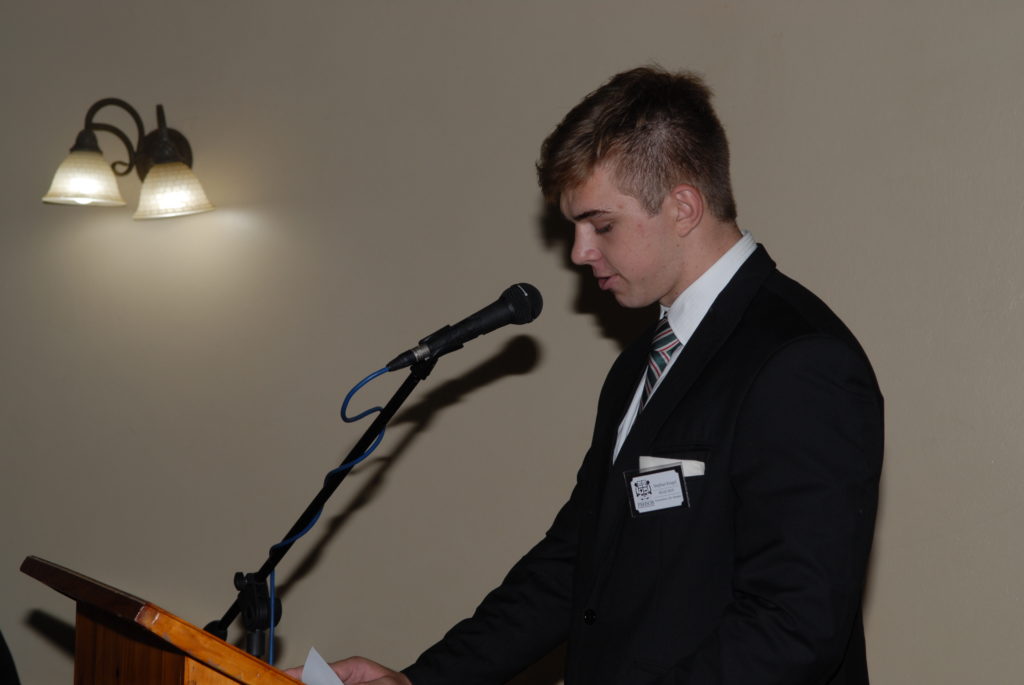
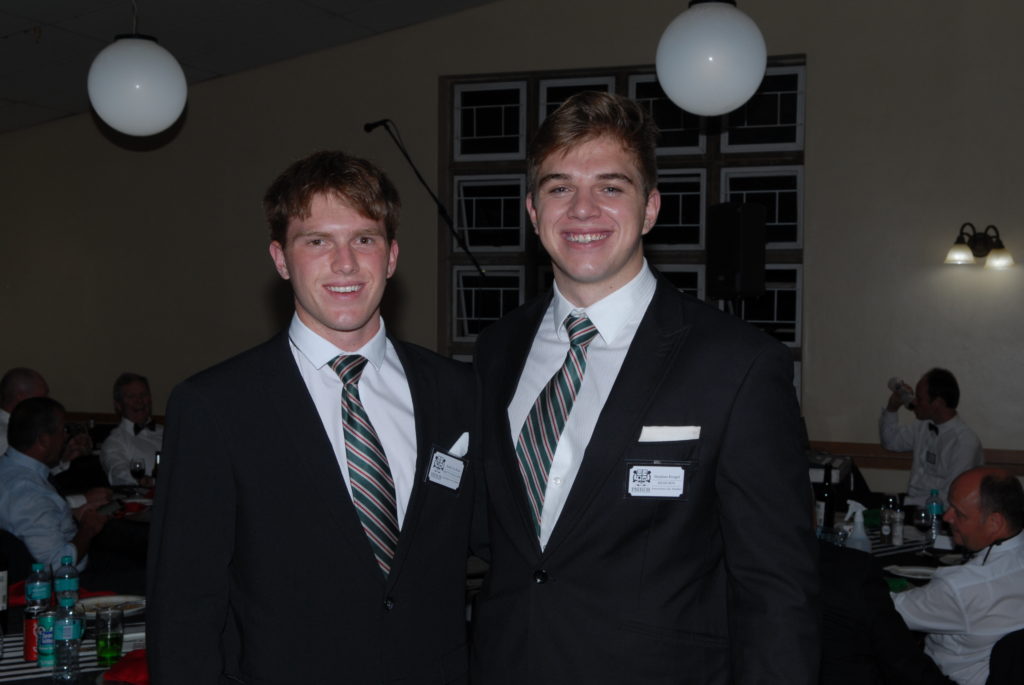
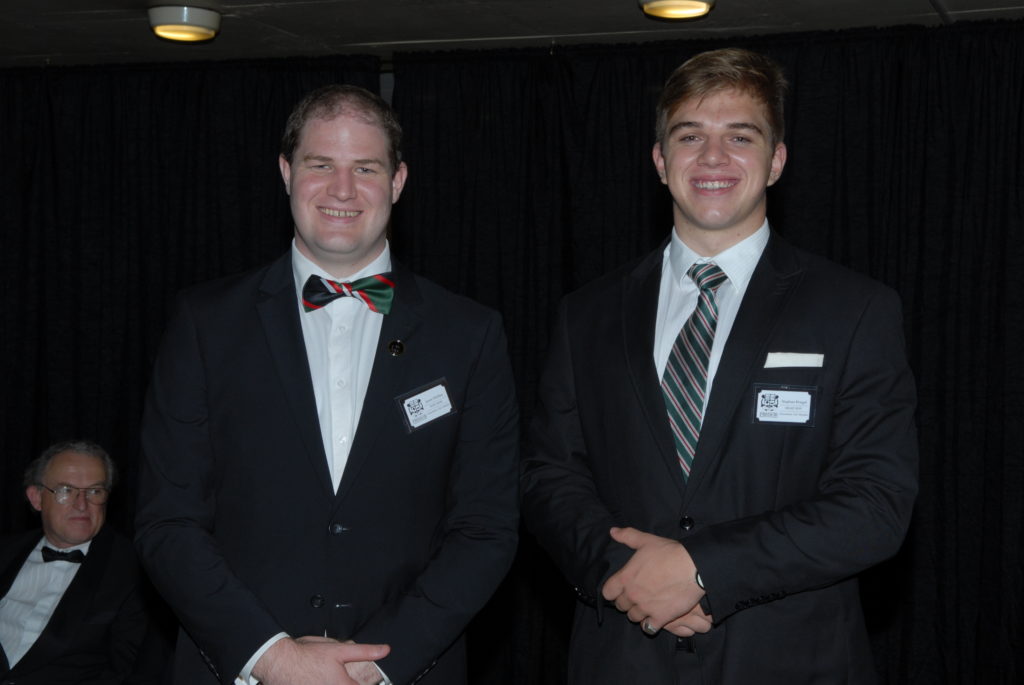
A fine example of one such young man is Stephan Krugel, the head prefect. He spoke about the year that could have been, the optimism of the boys (for whom there were barely enough fields to accommodate all those who had signed up before the lockdown to play rugby), and some of the ways in which they made the best of a bad situation, putting together inspiring videos to motivate each other and the younger boys. His speech was a reminder of the innate resilience and adaptability of our boys, and their willingness to care and make a difference.
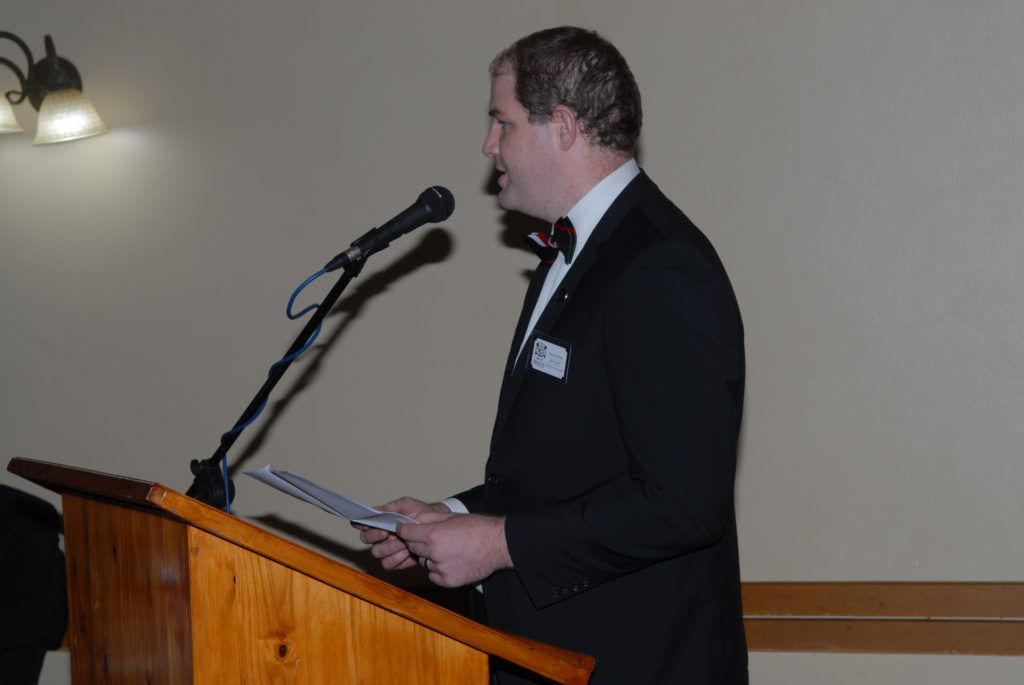
Jason Webber delivered the Old Boys Association’s chairman report. He reaffirmed some of the progress made by the club: the smooth and profitable administration of the club made possible by Yvonne Uys and Inge Paulsen, among others. He expressed his gratitude to Geoff Meyer for his perseverance and for helping arrange the night’s dinner. And then, as always, marketed the memorabilia on sale to cater for every need of a proud and loyal Old Boy.
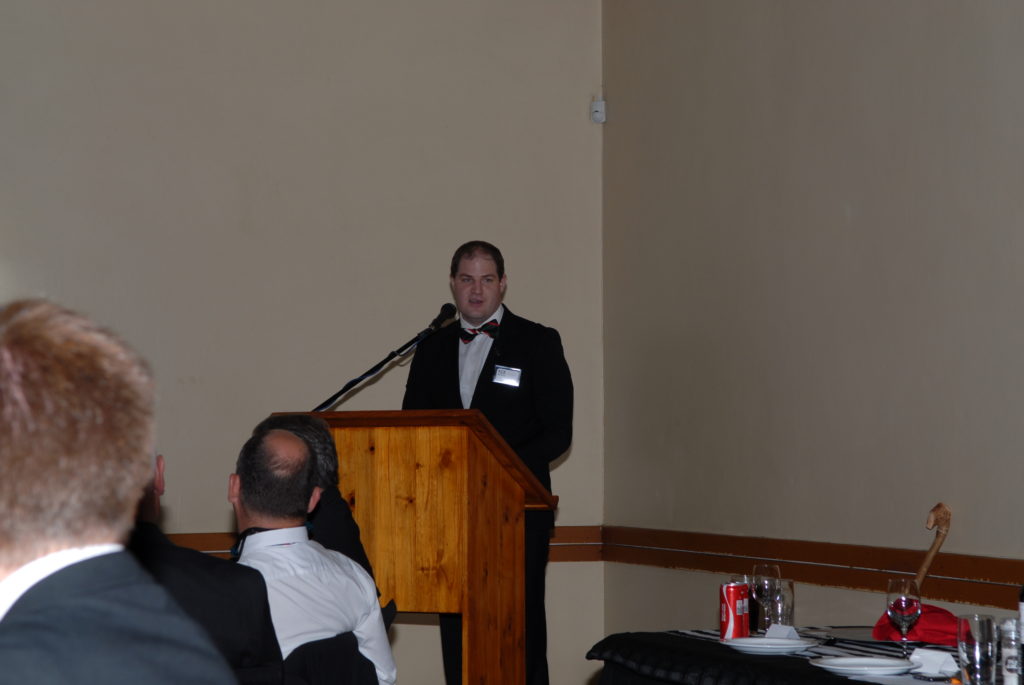
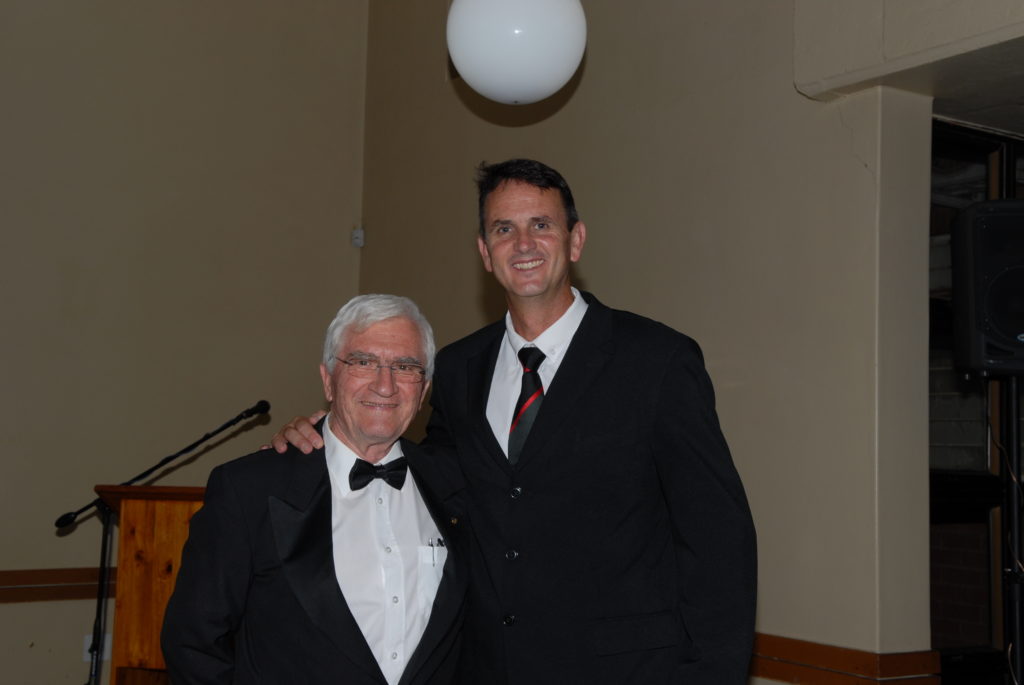
The guest speaker was the former headmaster, Tony Reeler. He spoke about the need for schools to adapt, and referred to the lockdown regulations as a case in point: that the solutions to distance learning provided by technology would have a lasting impact, and that other traditions would also need to make way for progress. He made reference to GK Chesterton’s observation that tradition is the democracy of the dead. And he discussed some of the small ways his new school is trying to accommodate the present.
In his headmaster’s reply, Gregary Hassenkamp spoke about being fully aware of the traditions and values he needs to uphold. He read an extract from John Illsley’s Pretoria Boys High: The Story of a South African School, 1901 – 2001:
“Anybody visiting the School in about October, in the fourth term of 1918, would have found it almost deserted and no trains running on the line that formed its northern boundary. The desolation could be explained by the Spanish Influenza pandemic …. Yet the epidemic was also to bring out the very best in Boys High pupils. Often being more resistant to the disease than adults, they volunteered to serve the community in several ways. Boys High boys helped … loading bodies onto mule wagons. Other boys took food to homes, acted as drivers and messengers and played a role in keeping postal deliveries and government offices running.”
Traditions and values such as these do not age. He explained that when he left the Hermanus mountains, ocean and nature in his rear view mirror he did not do so to return to Pretoria, but rather to return to all that is Pretoria Boys High School.
Lincoln Keeton (1996)