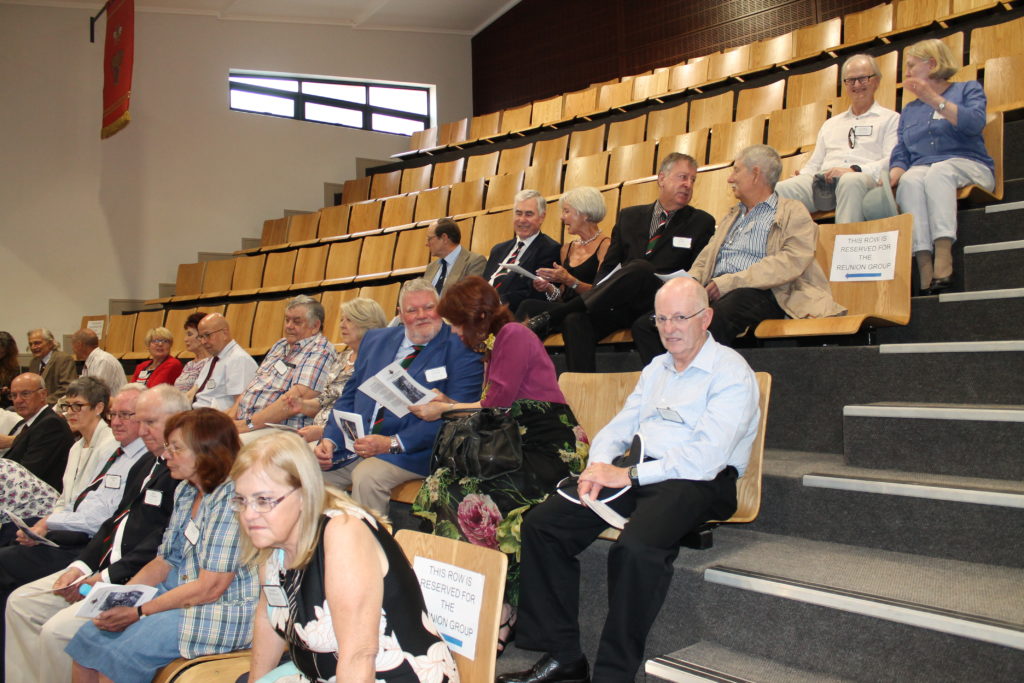
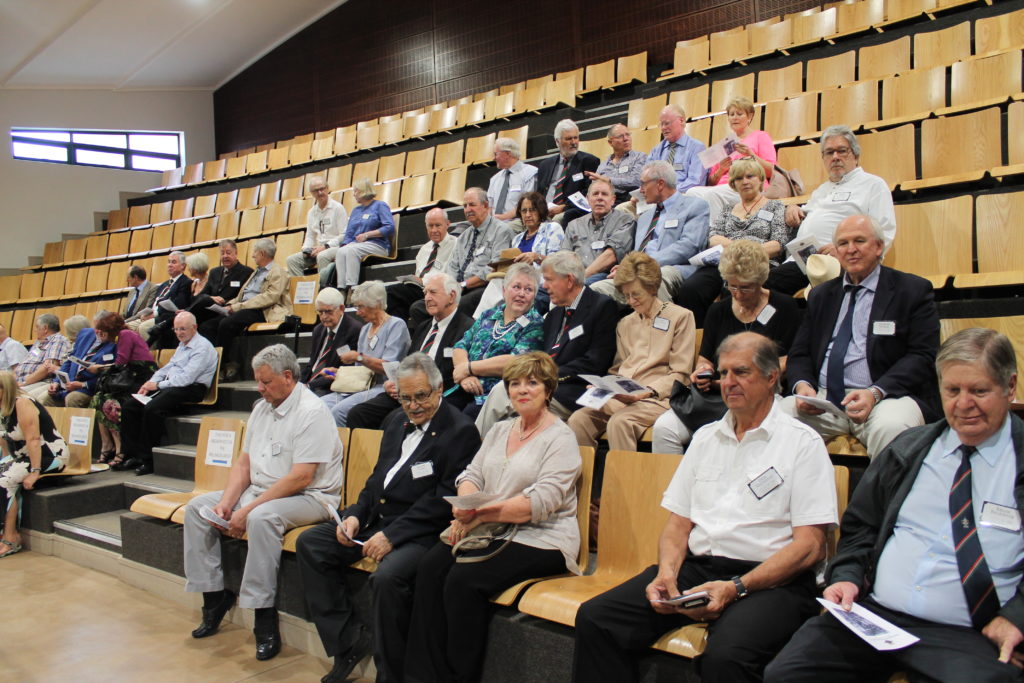
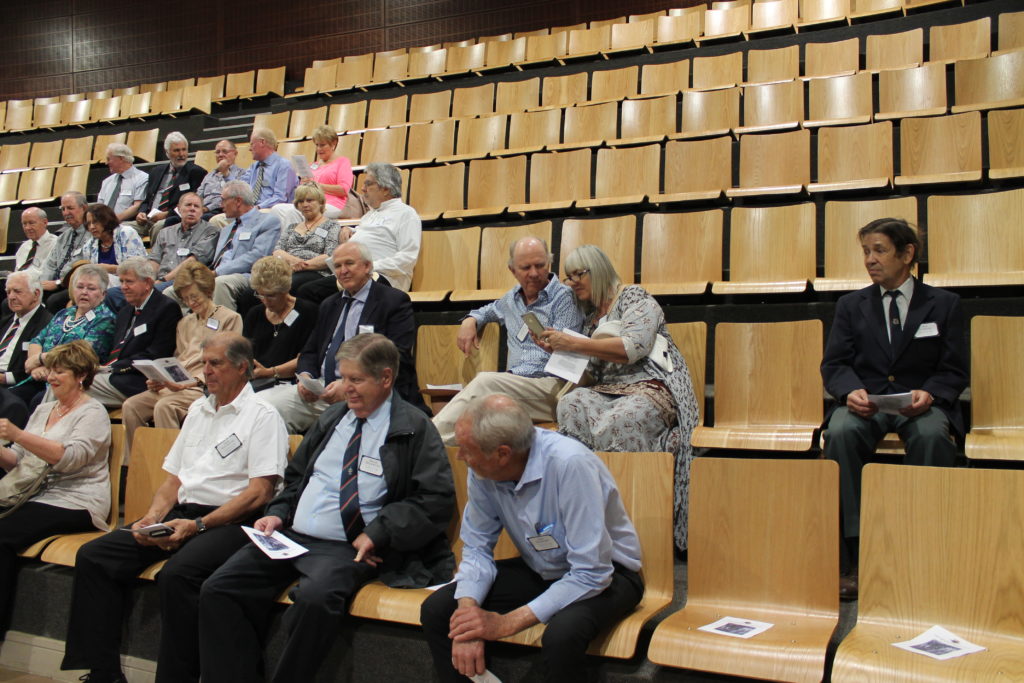
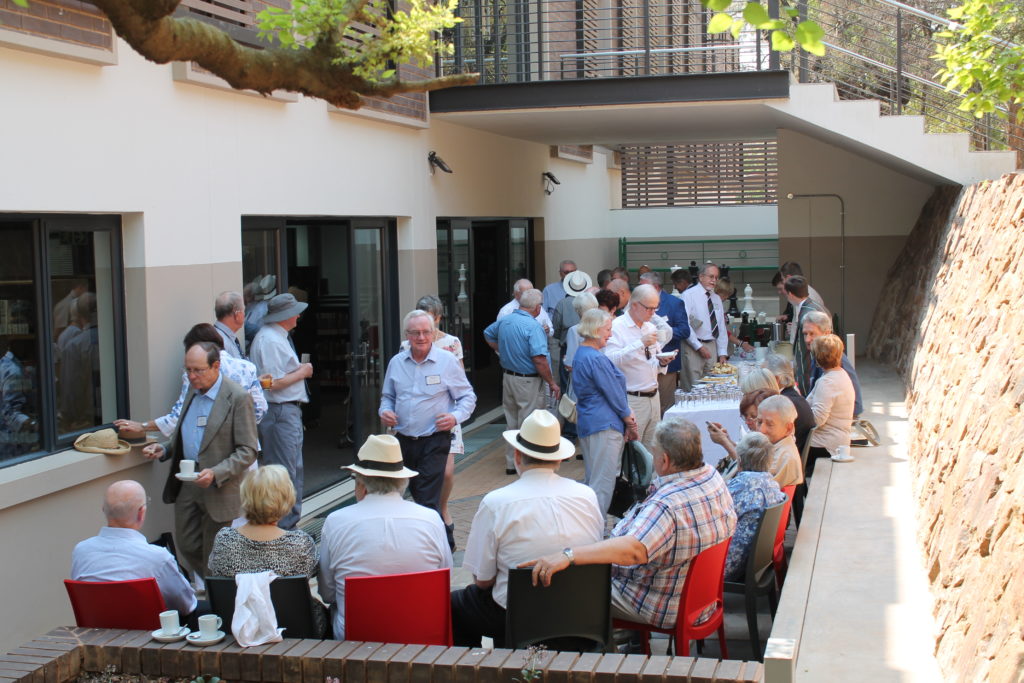
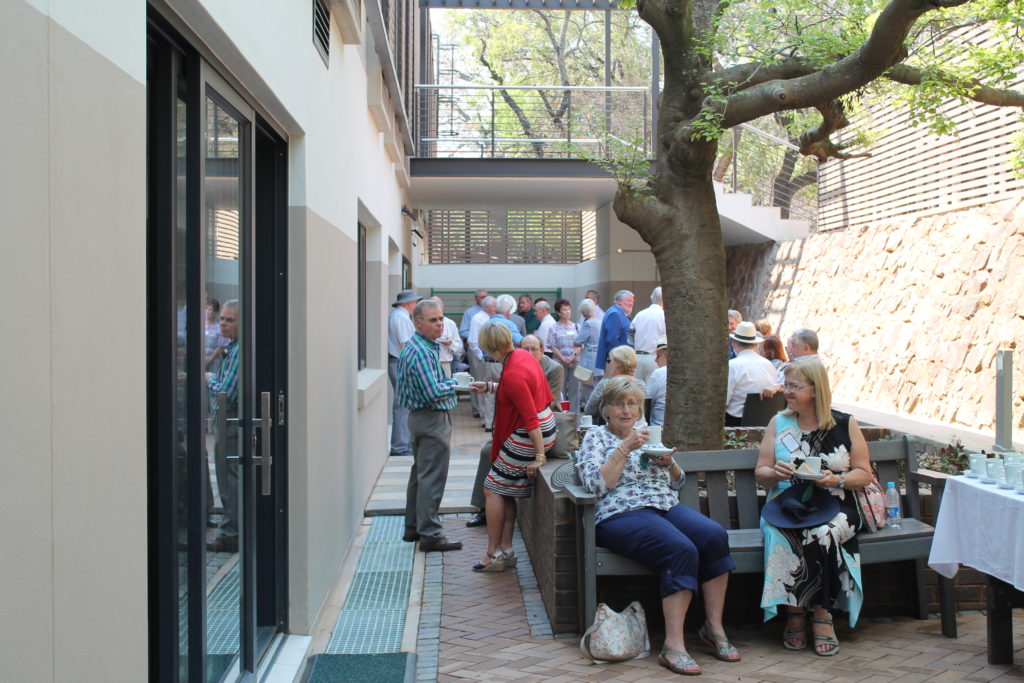
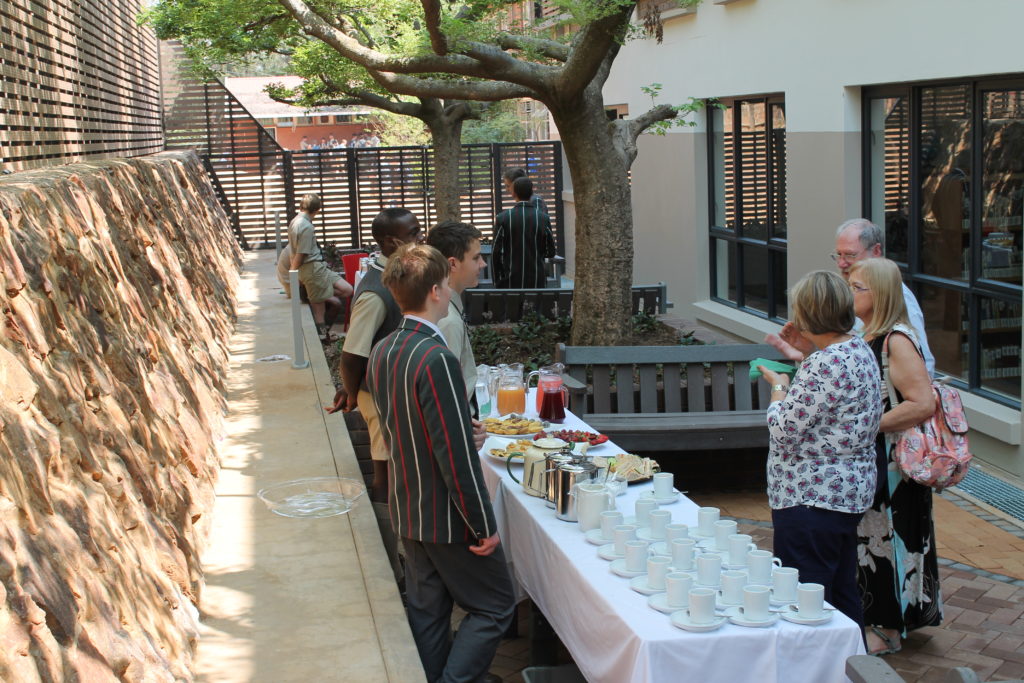
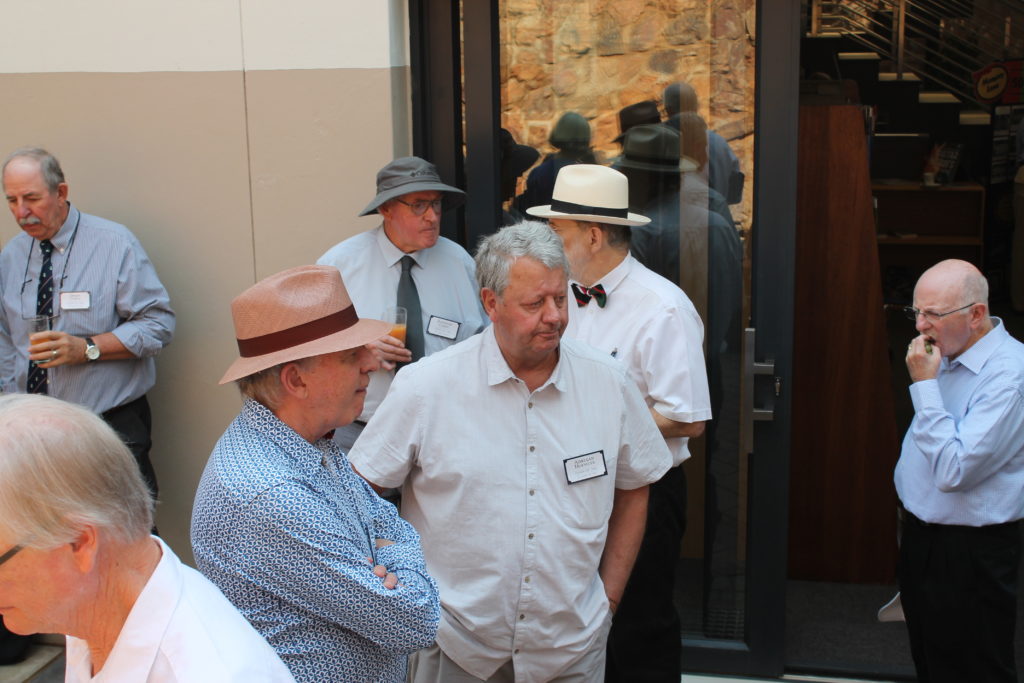
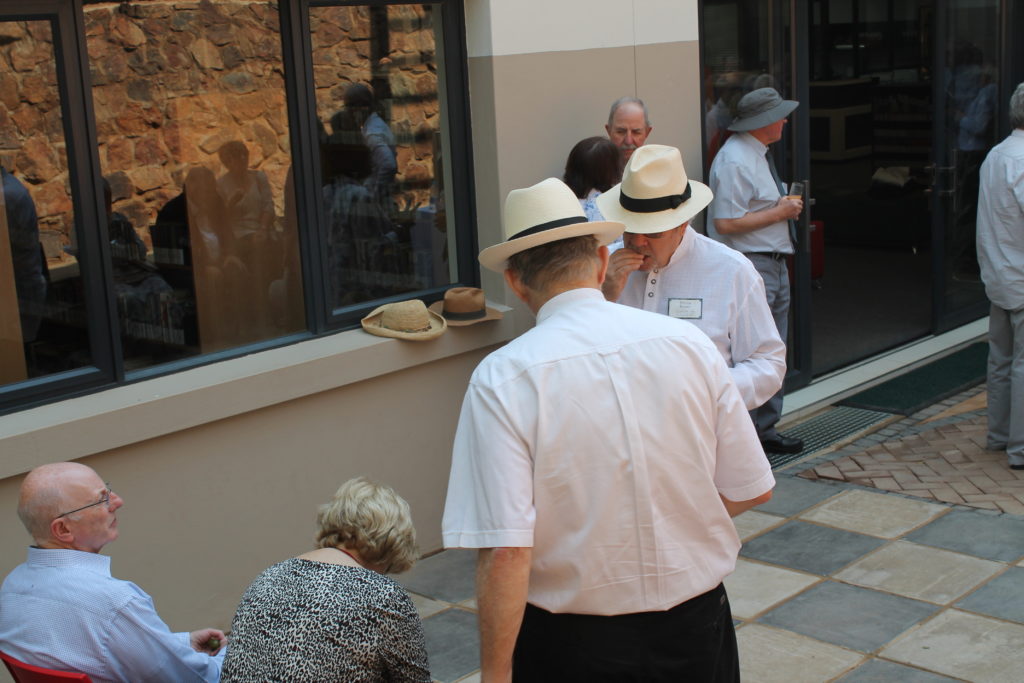
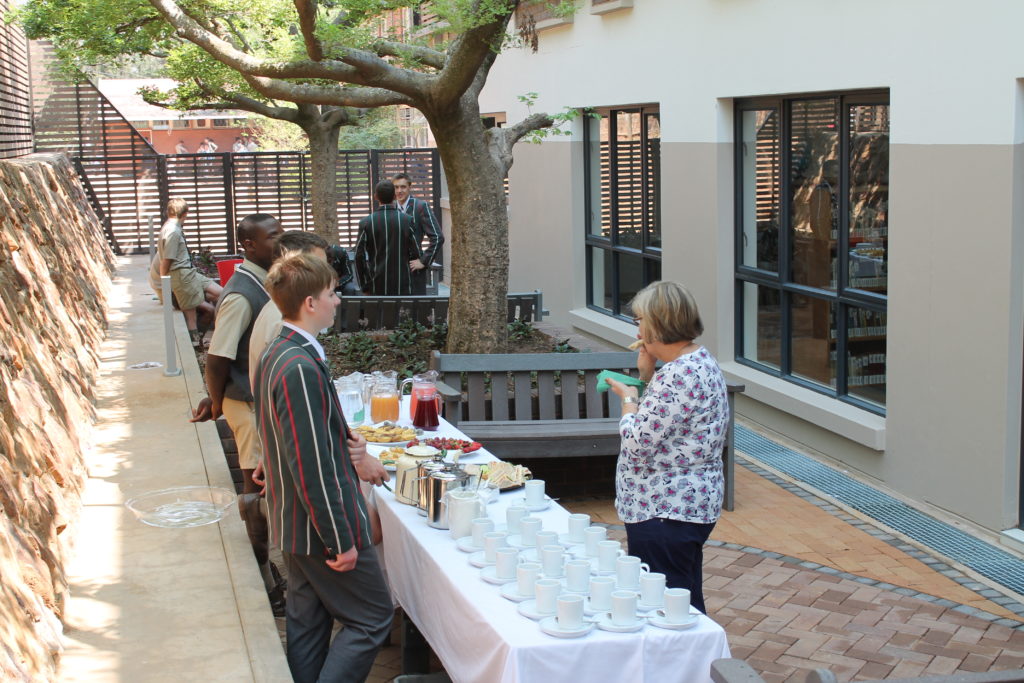
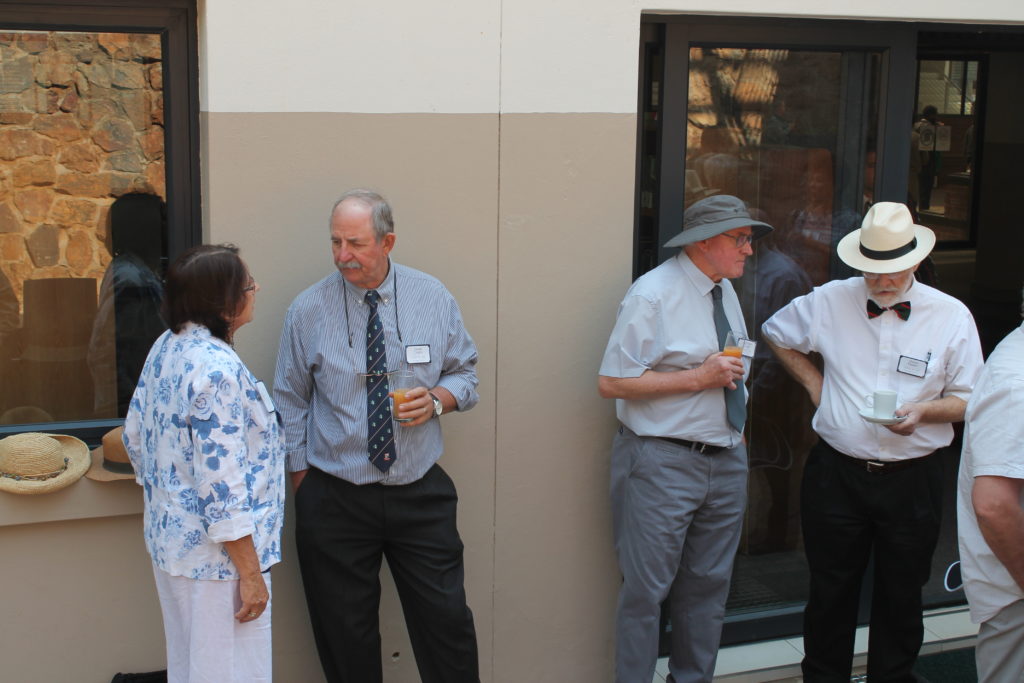
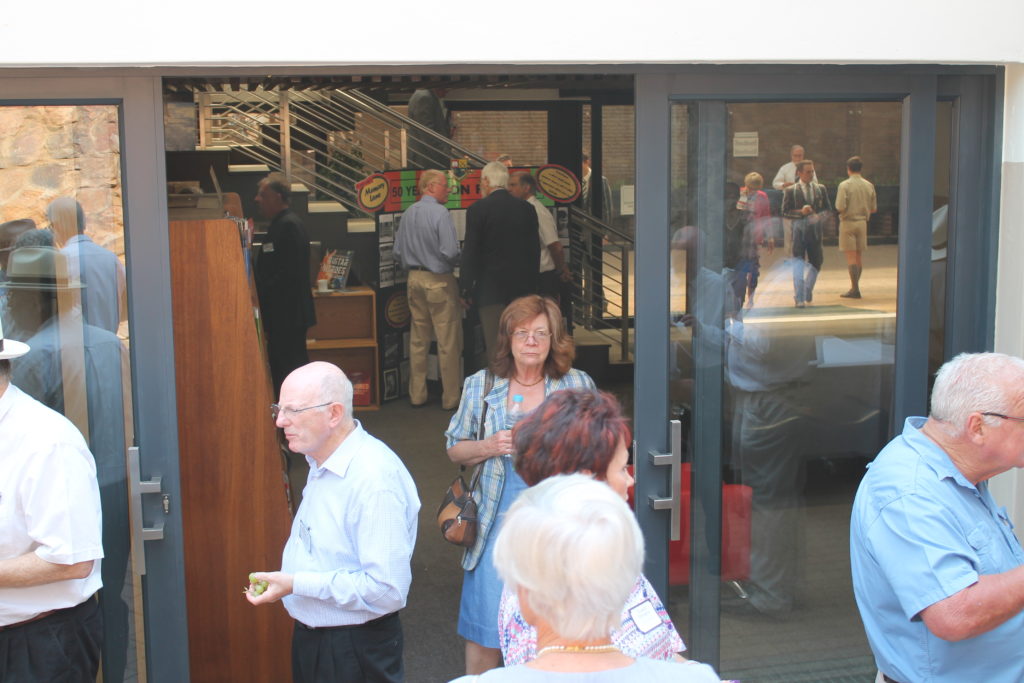
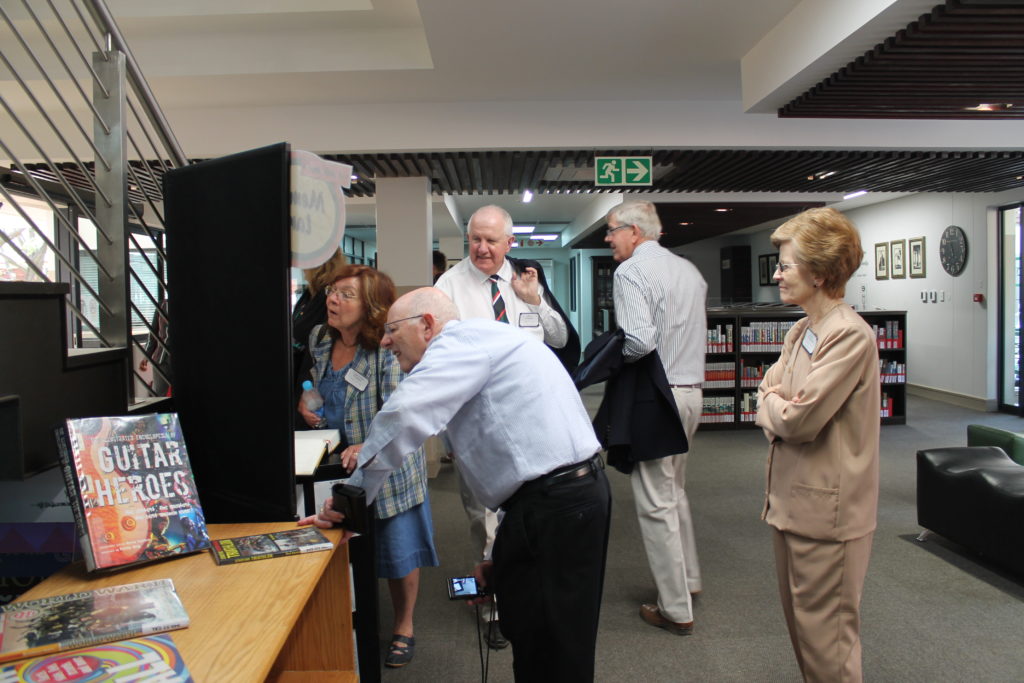
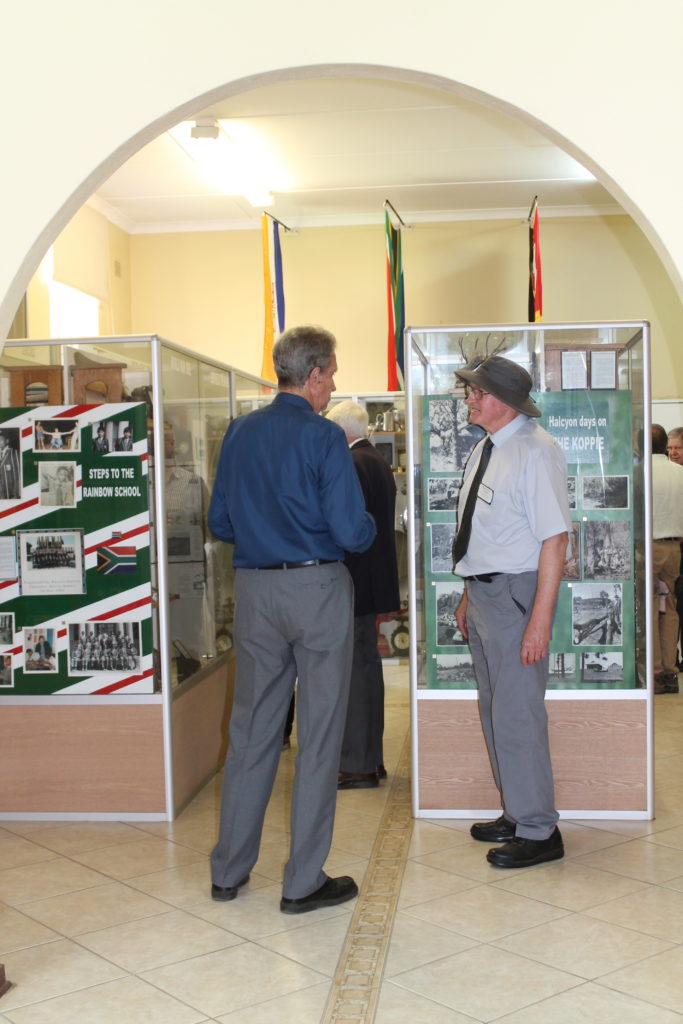
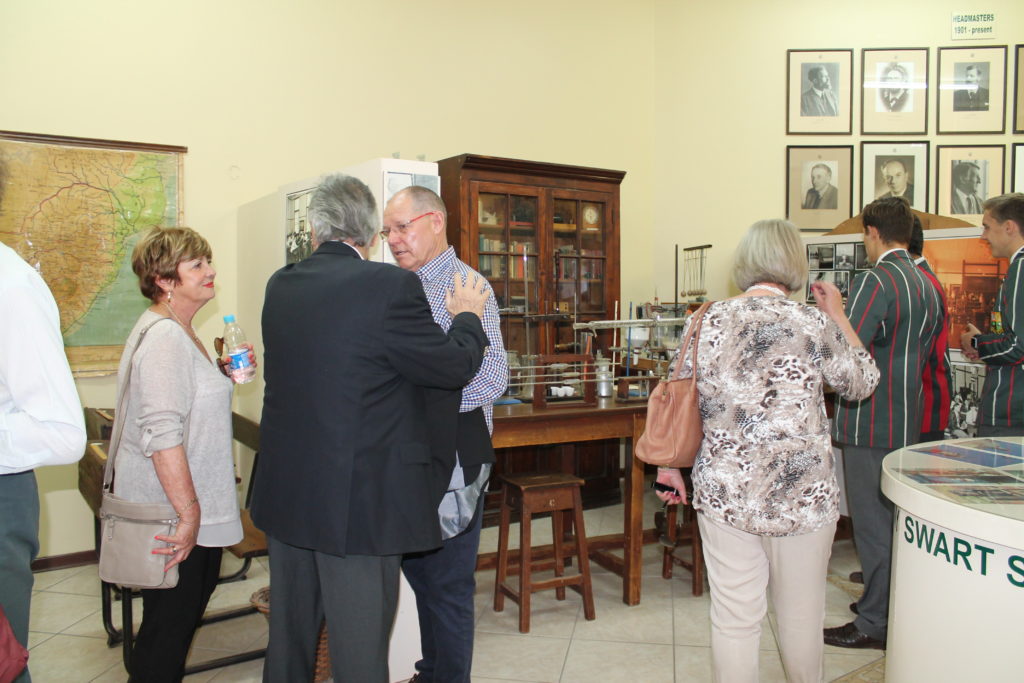
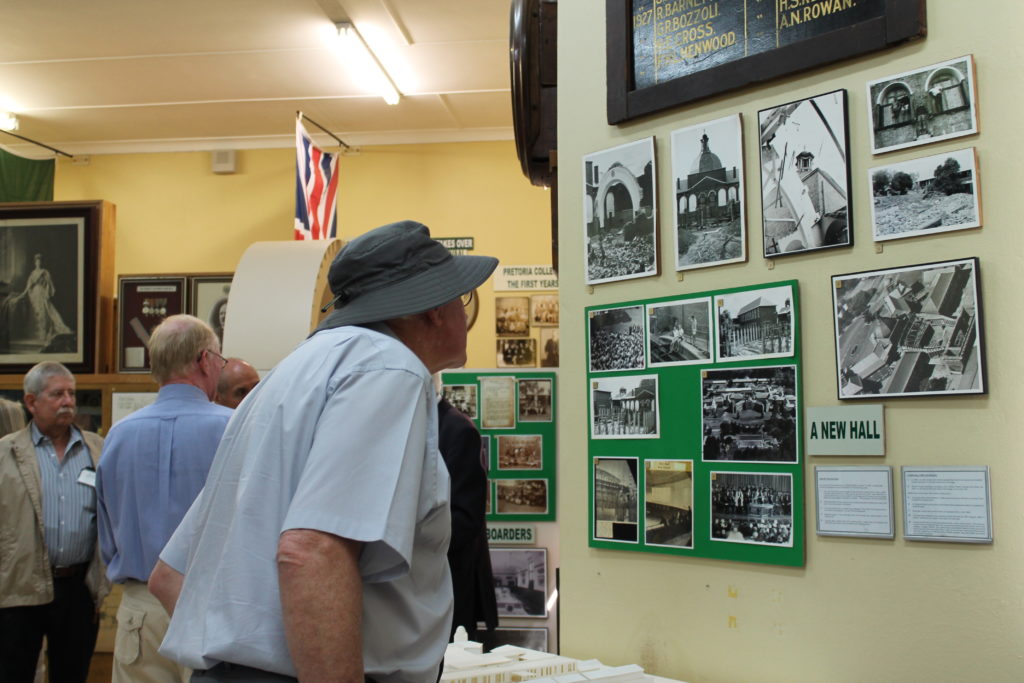
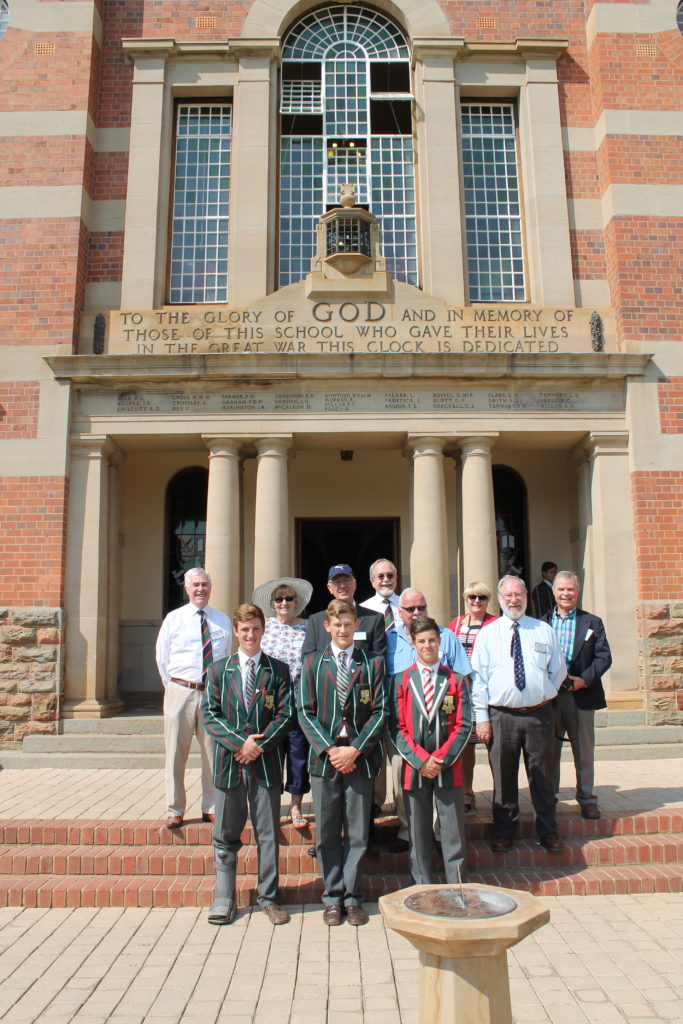
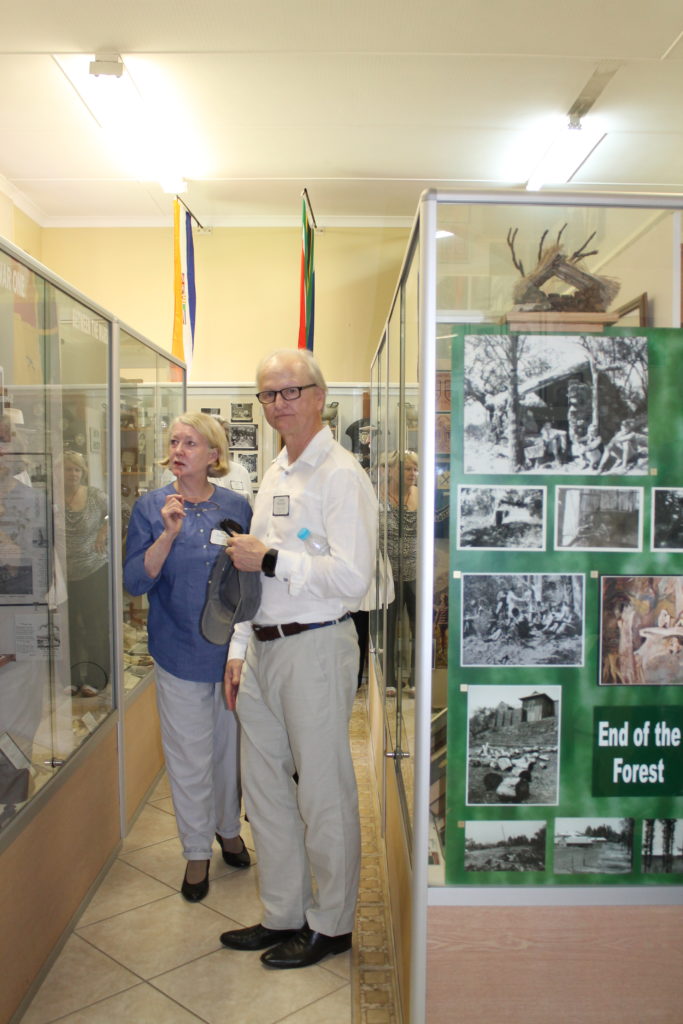
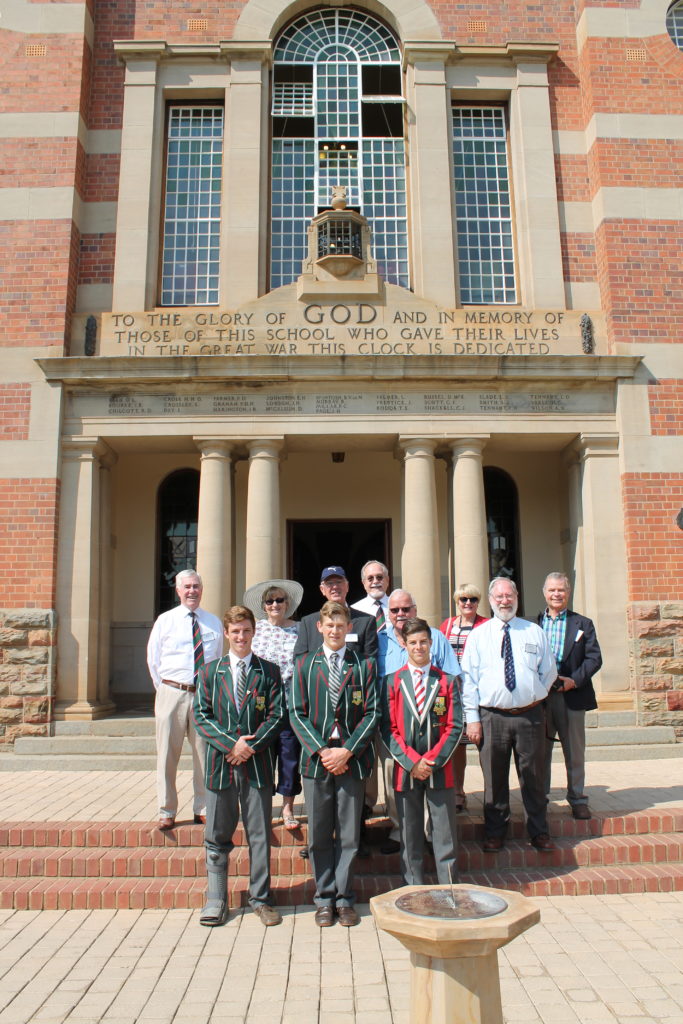
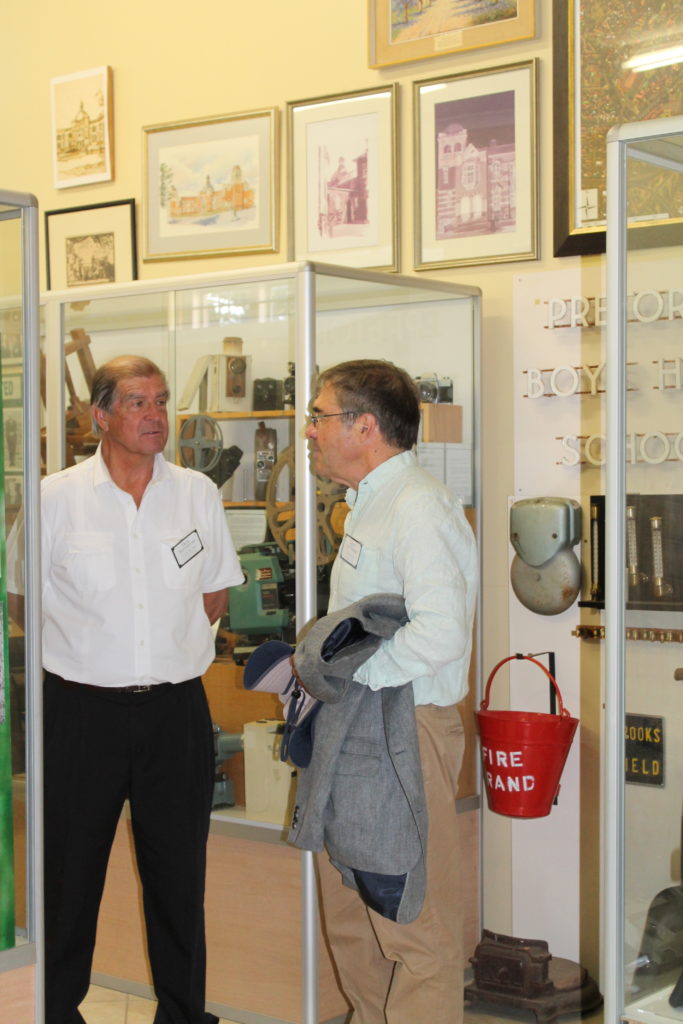
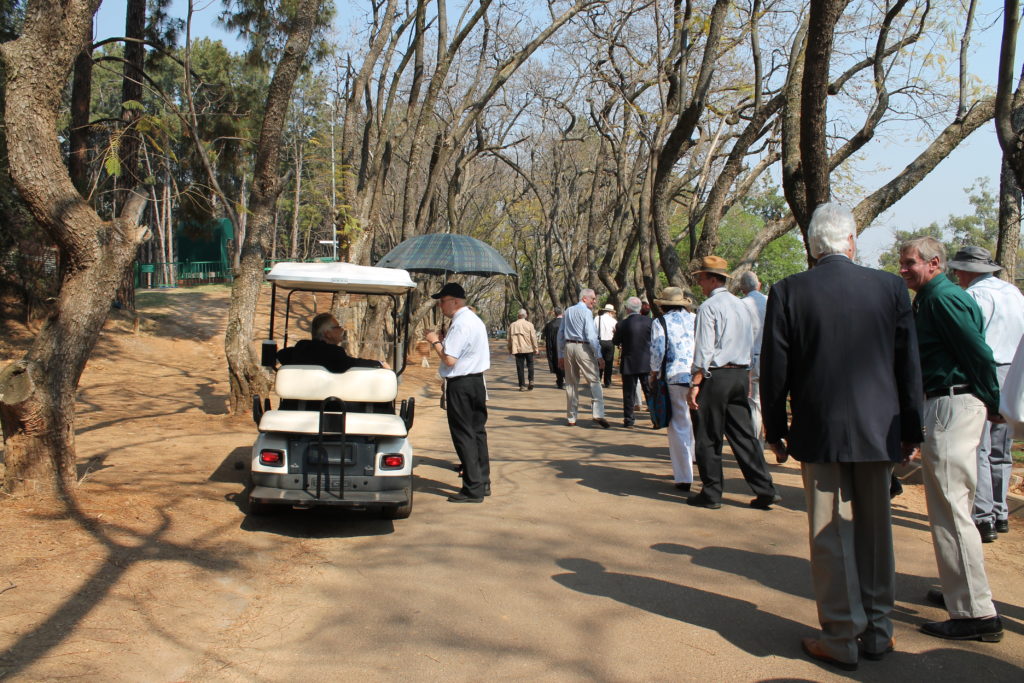
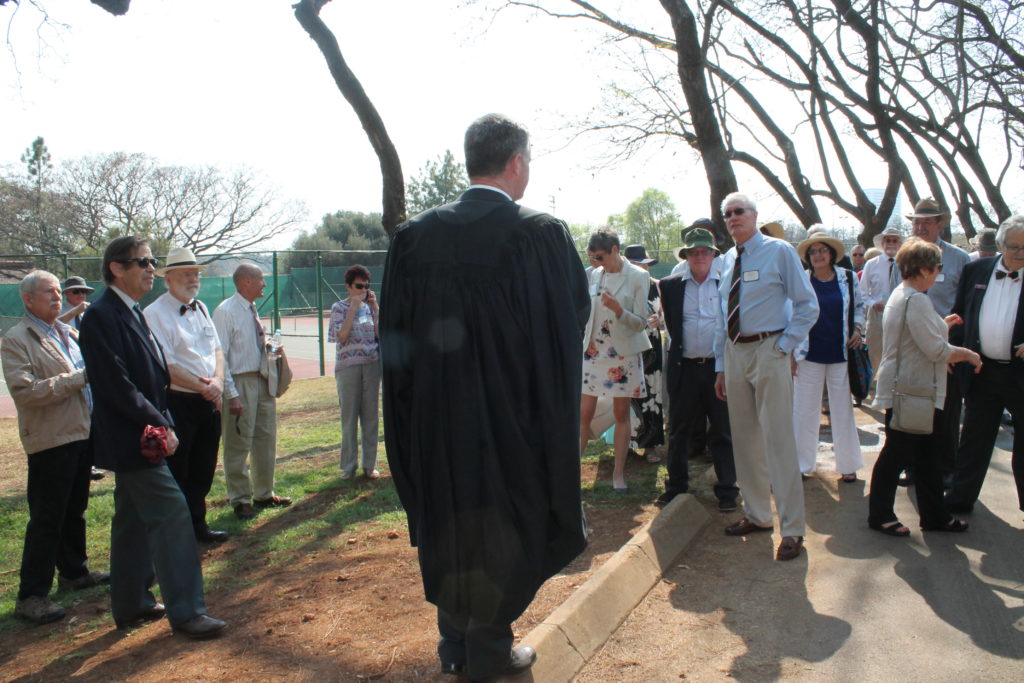
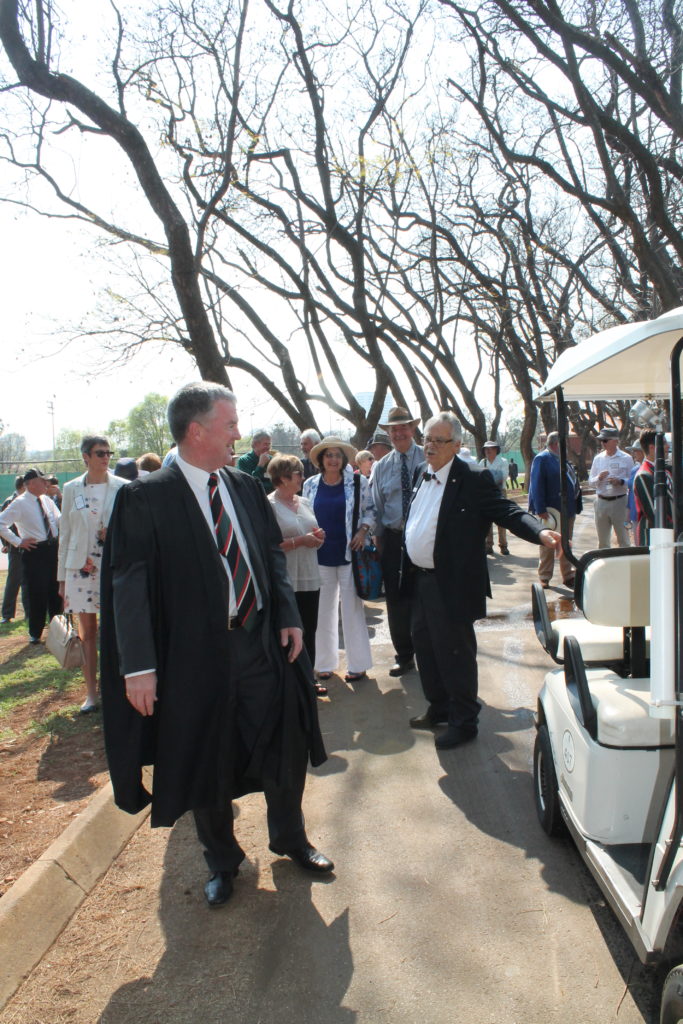
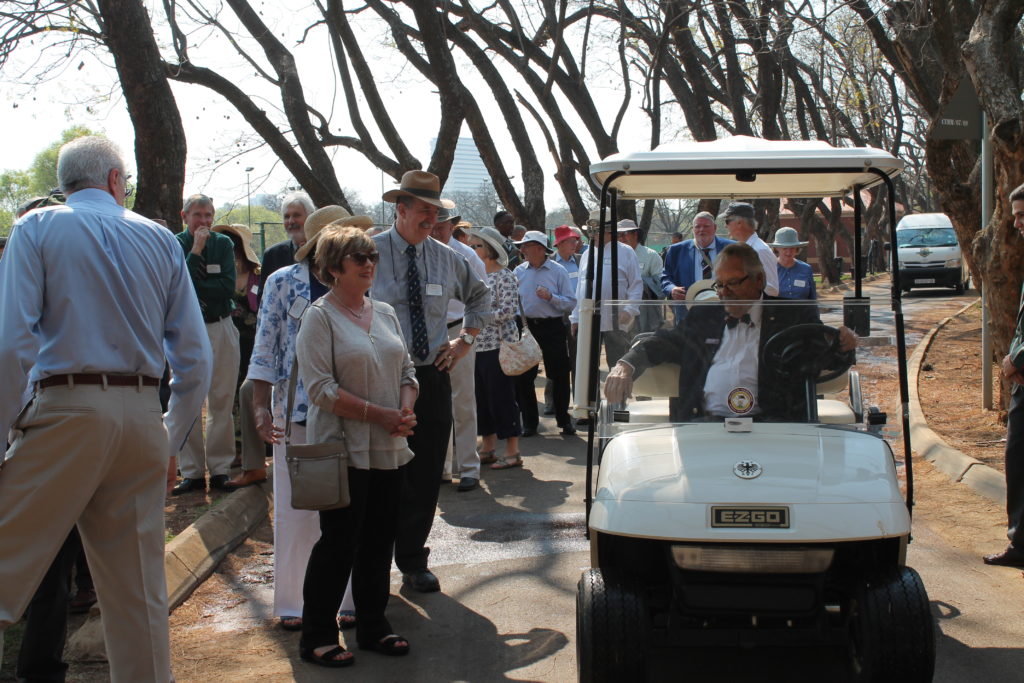
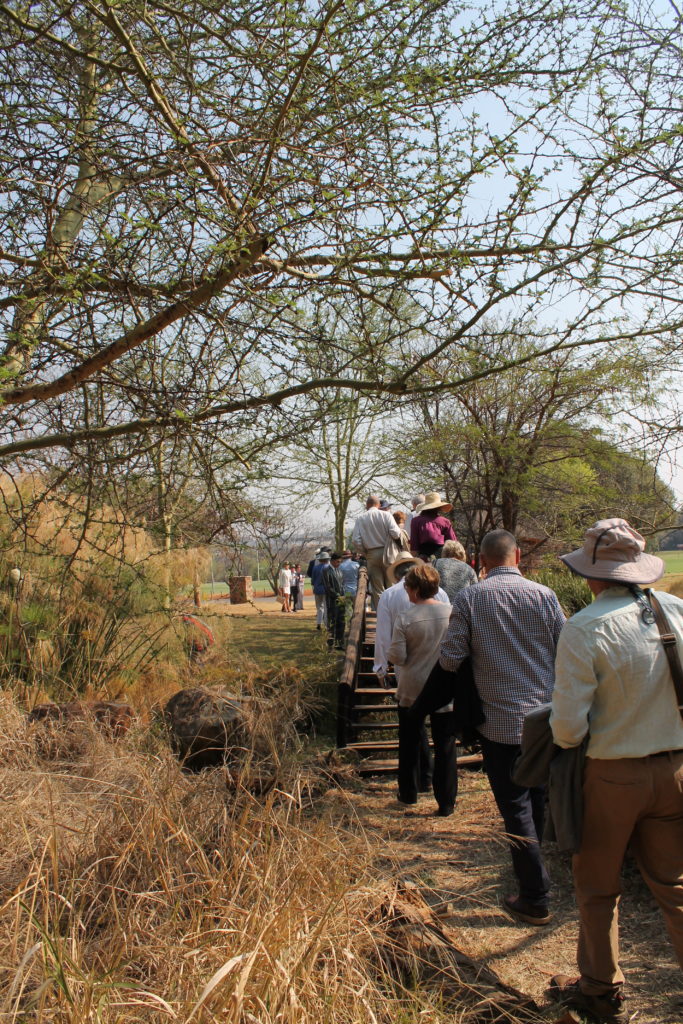
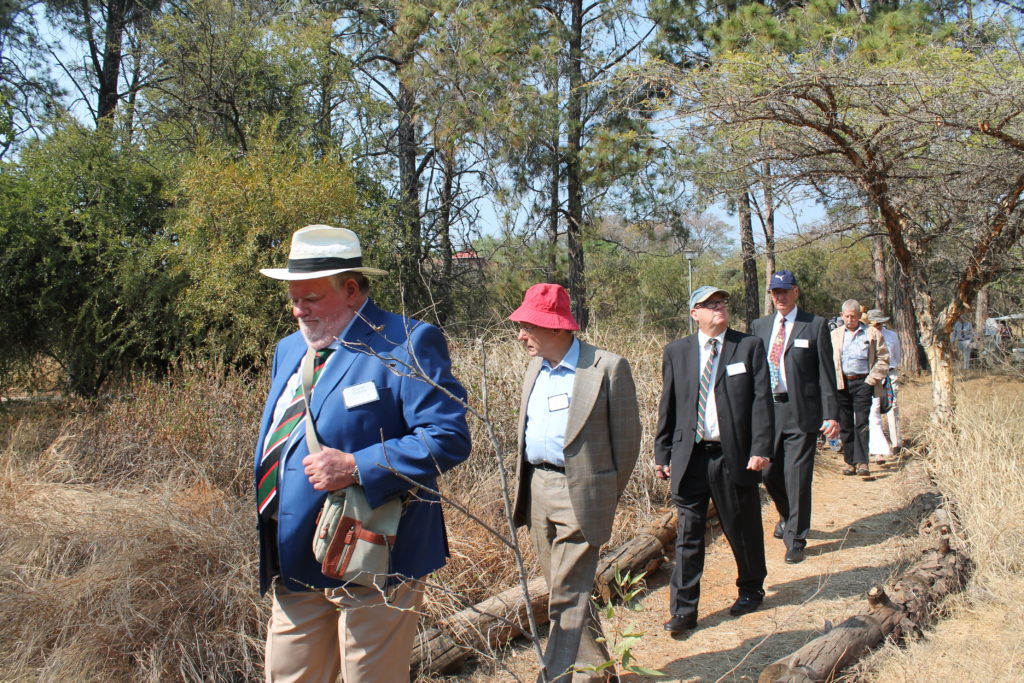
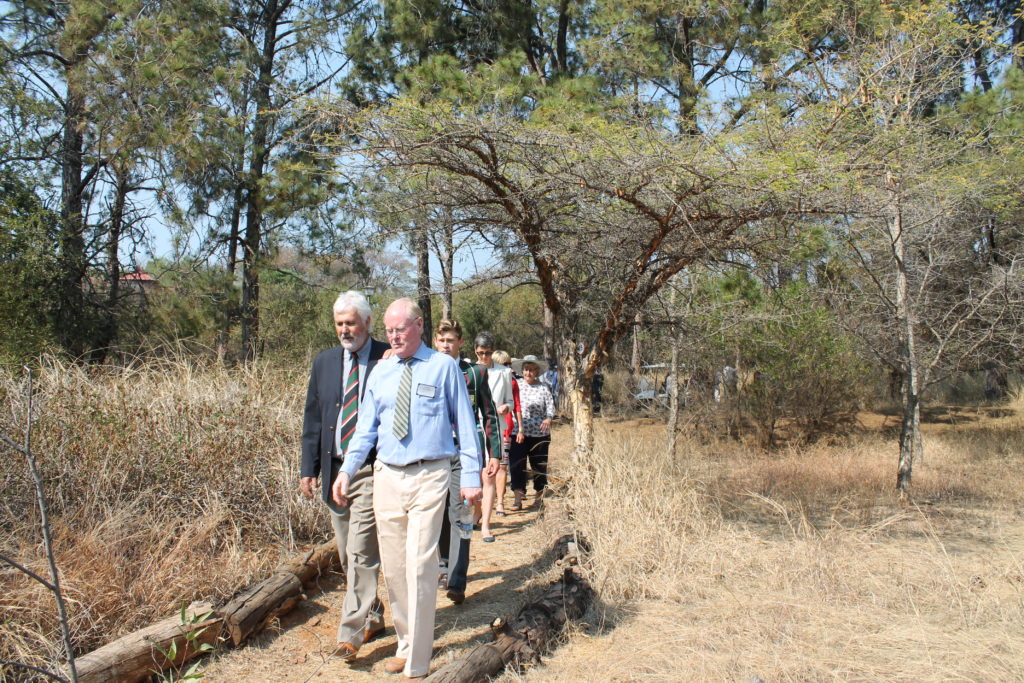
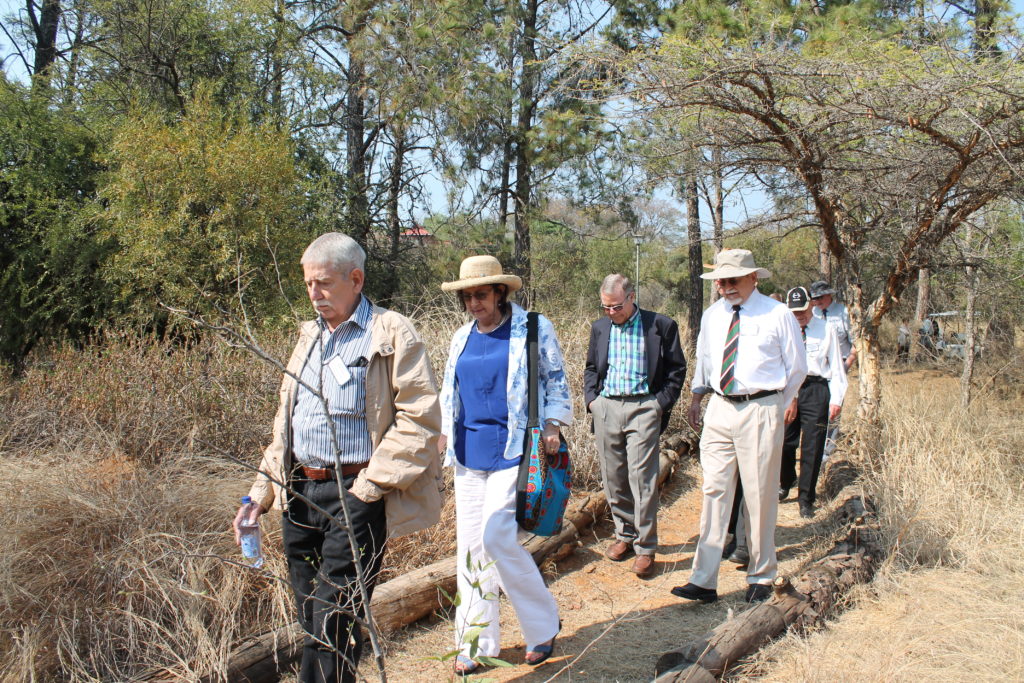
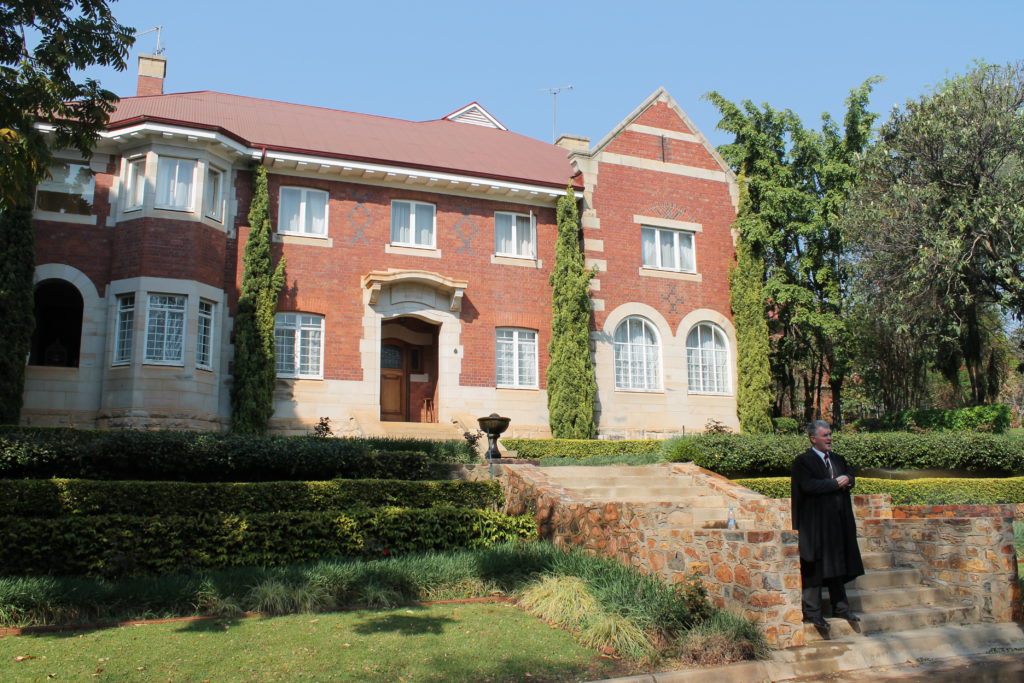
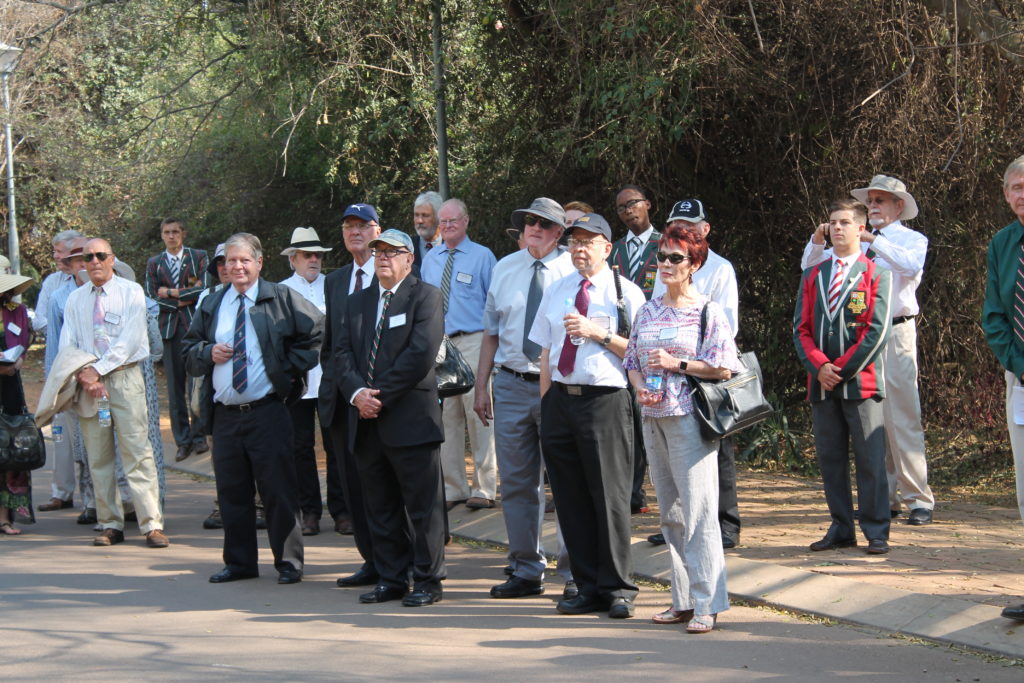
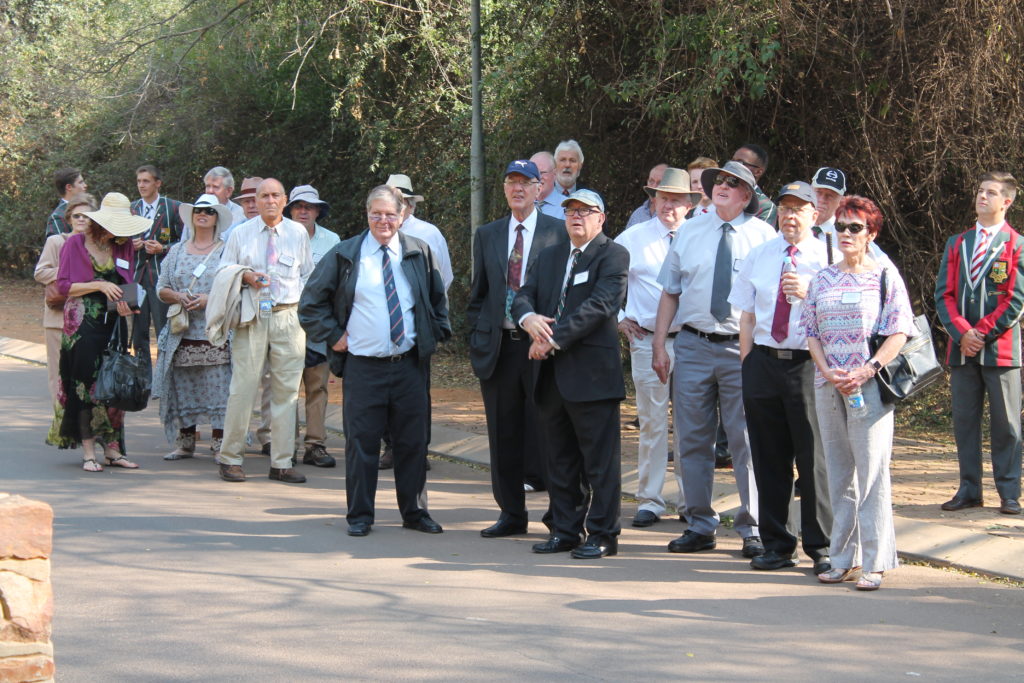
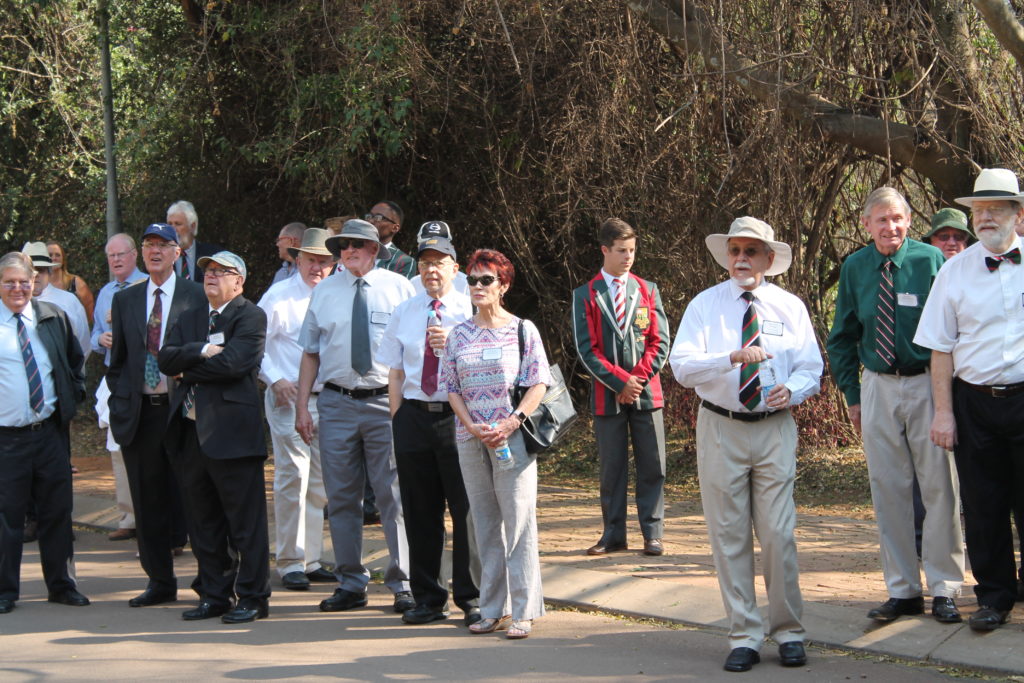
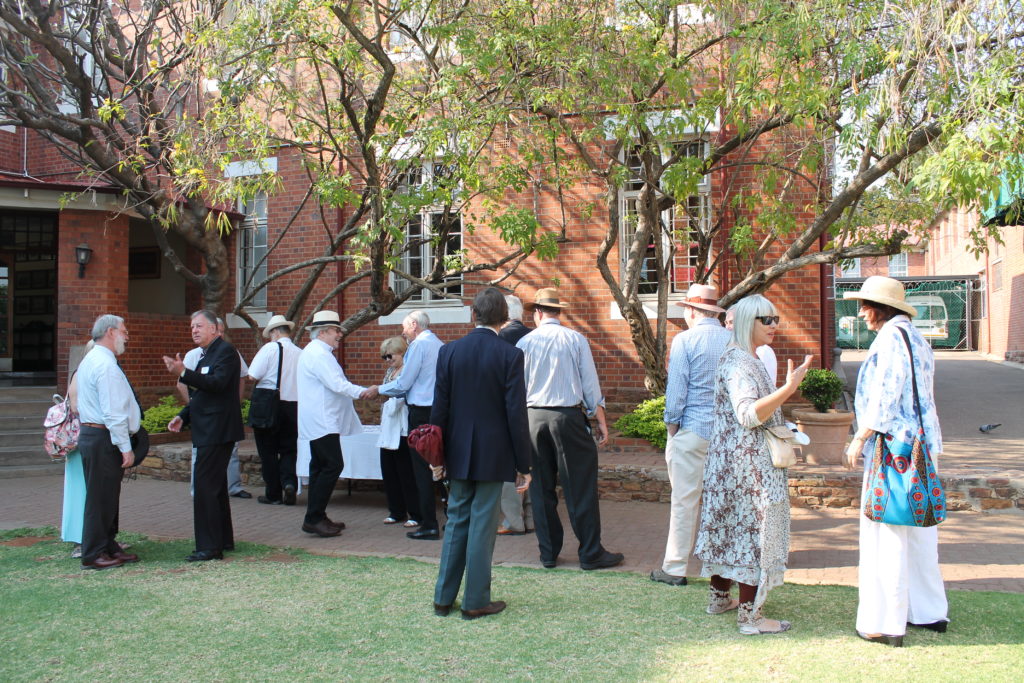
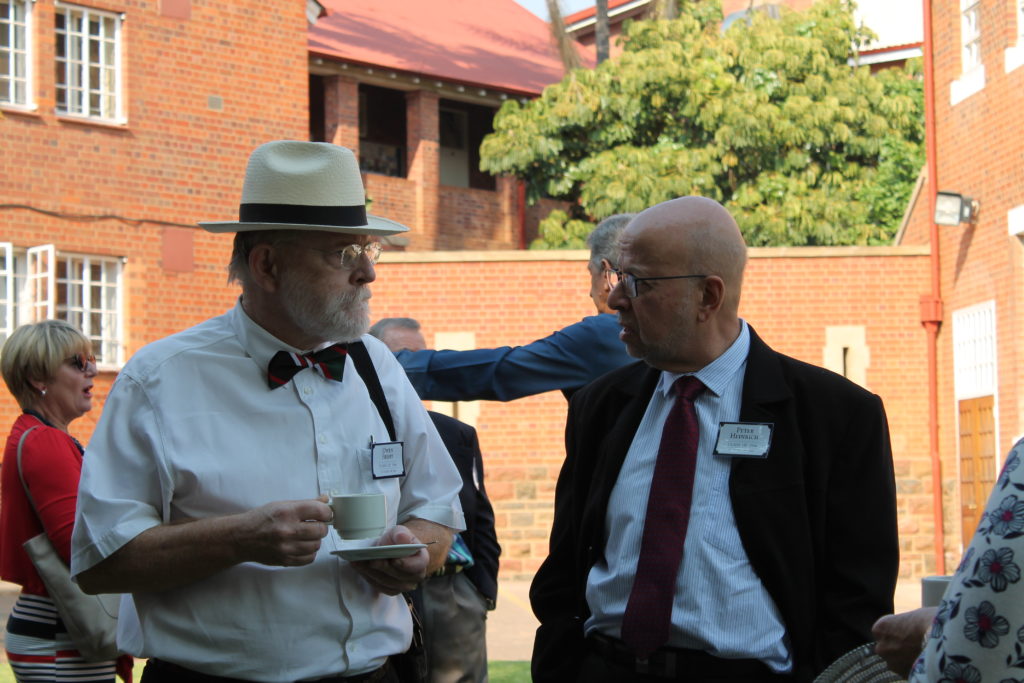
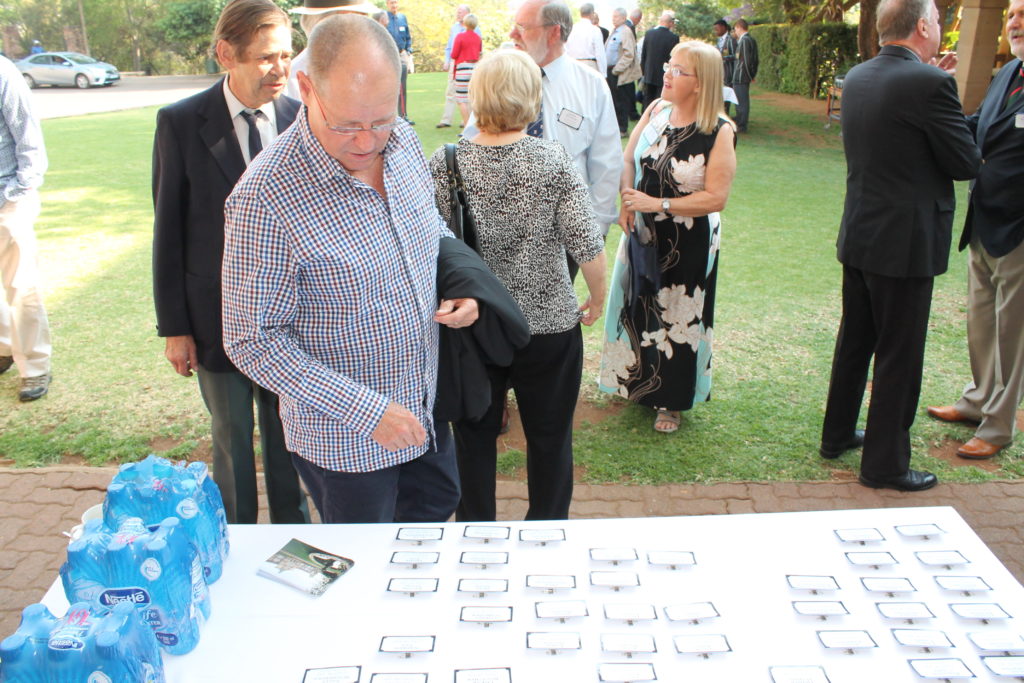
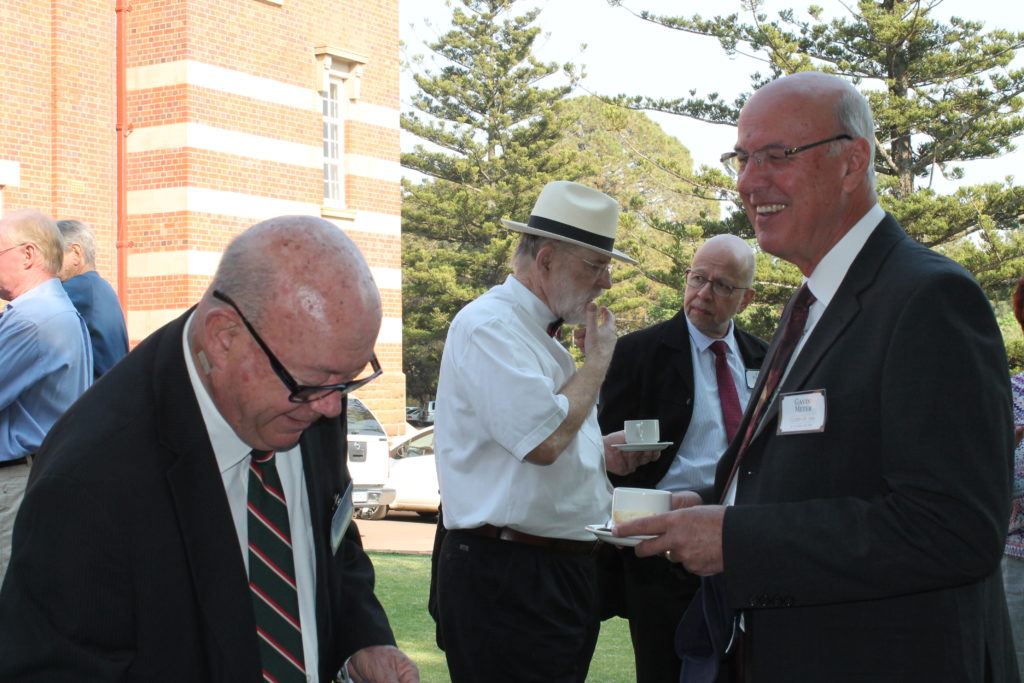
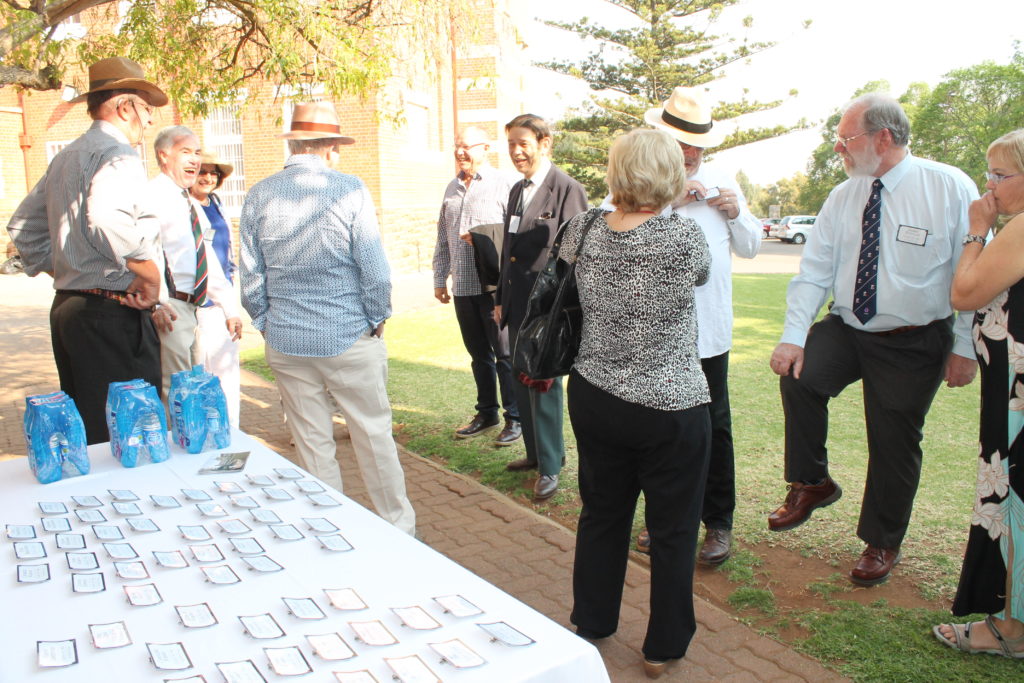
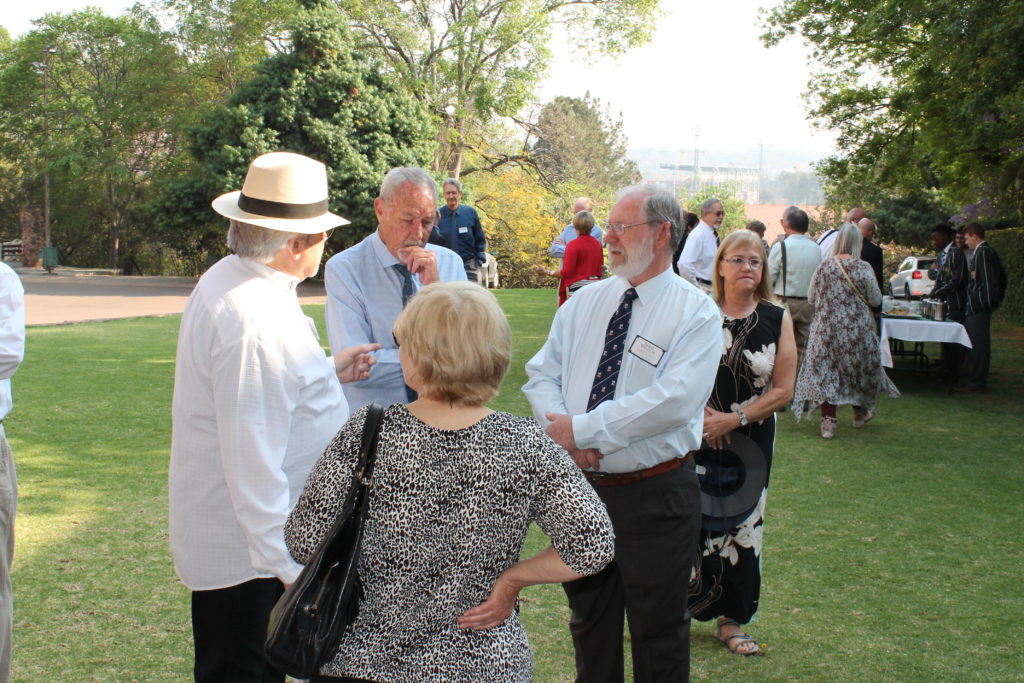
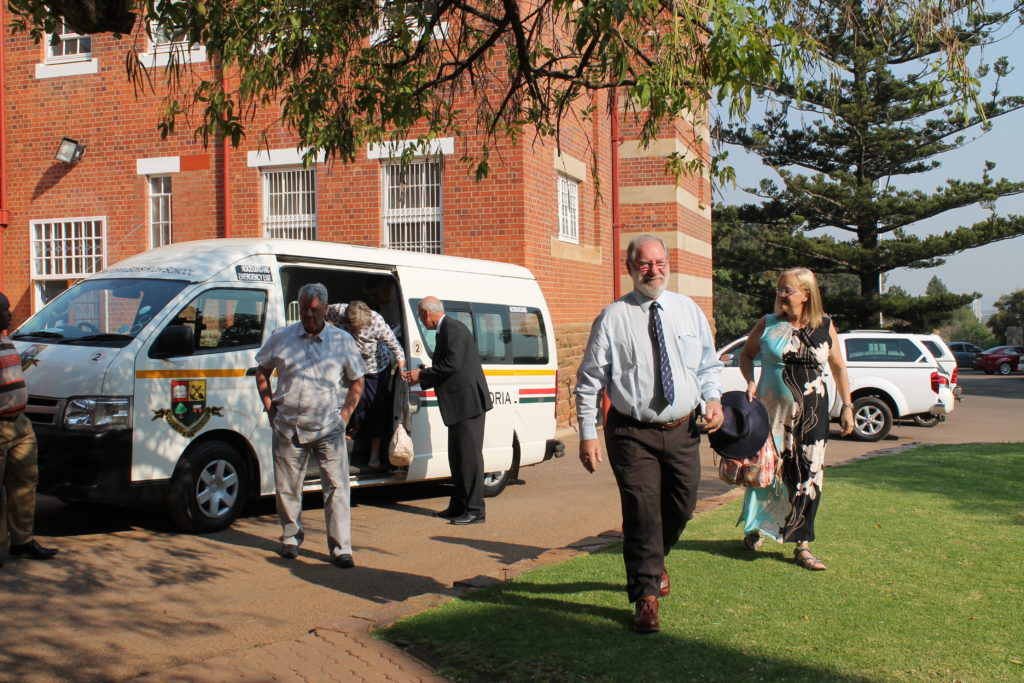
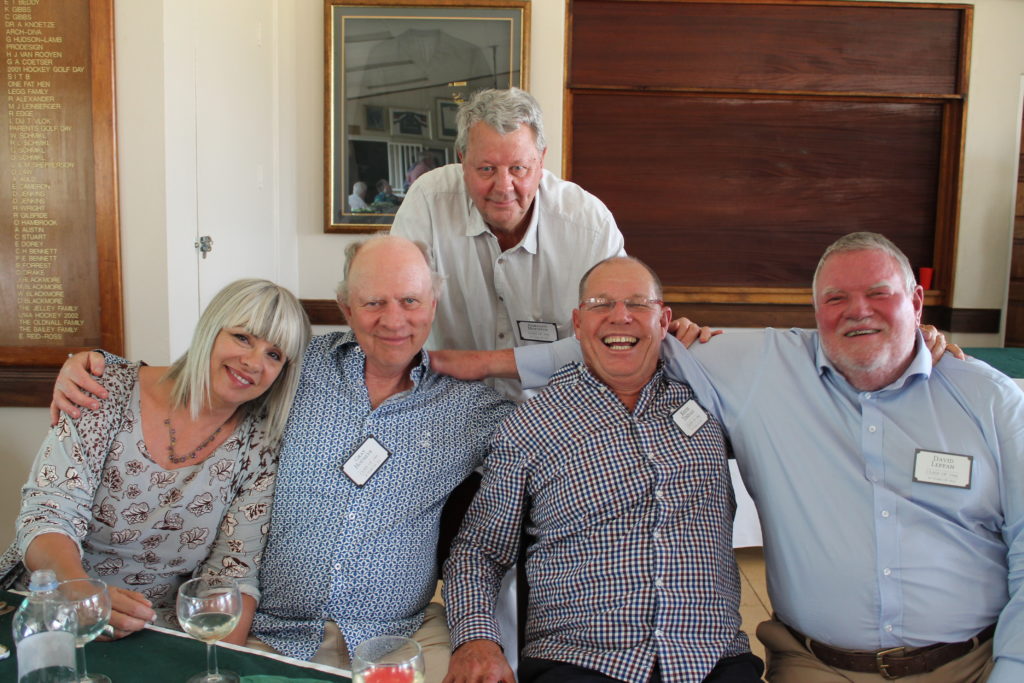
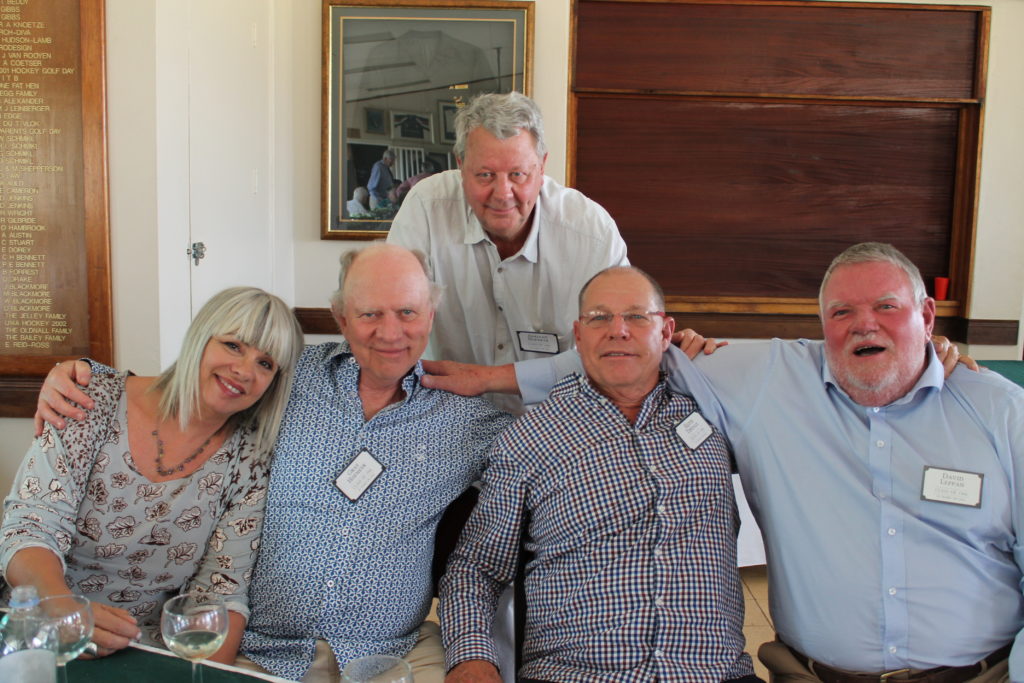
9 September 2016 & 10 September 2016
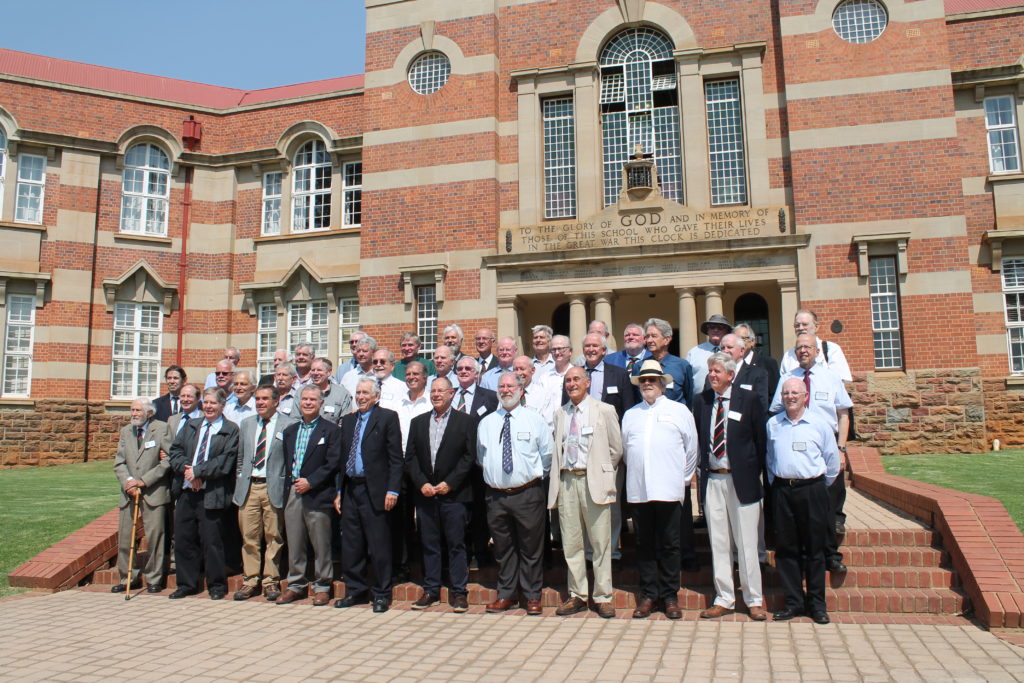
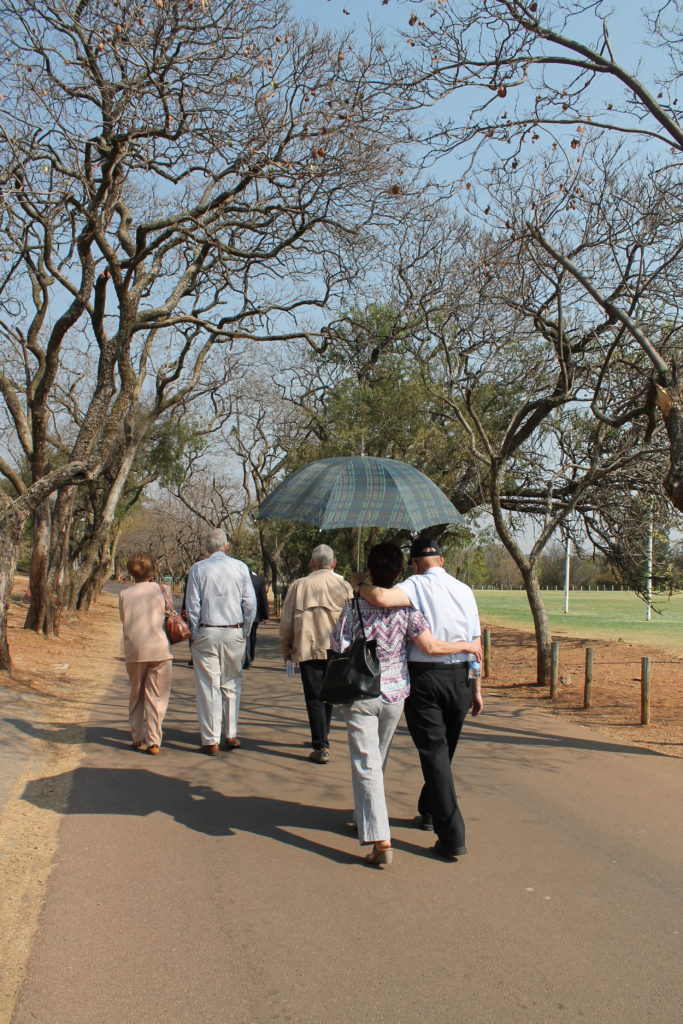
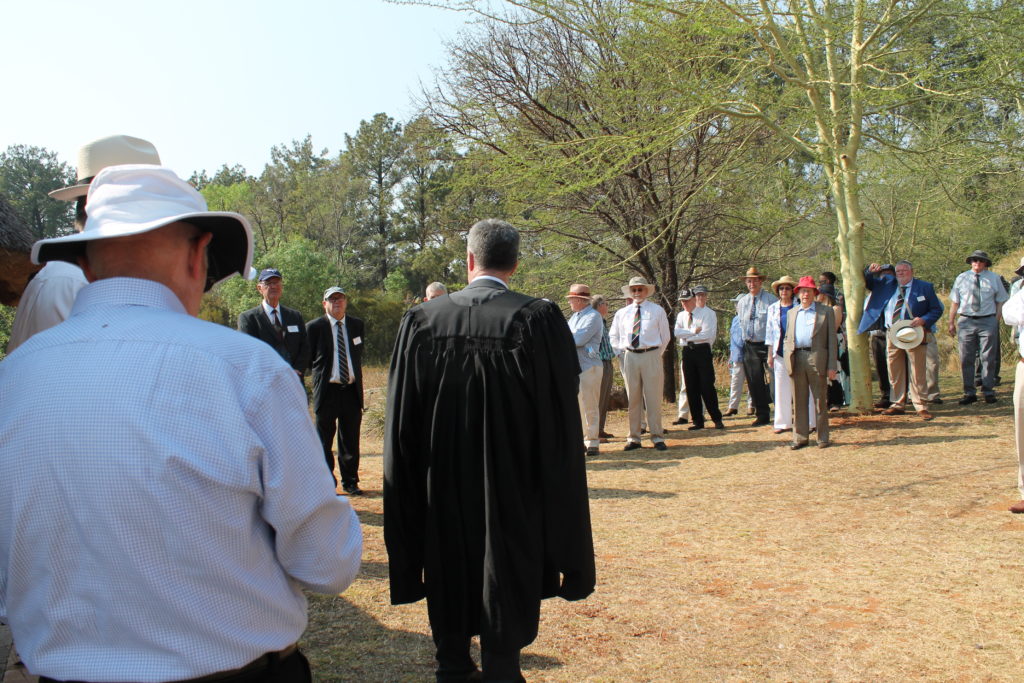
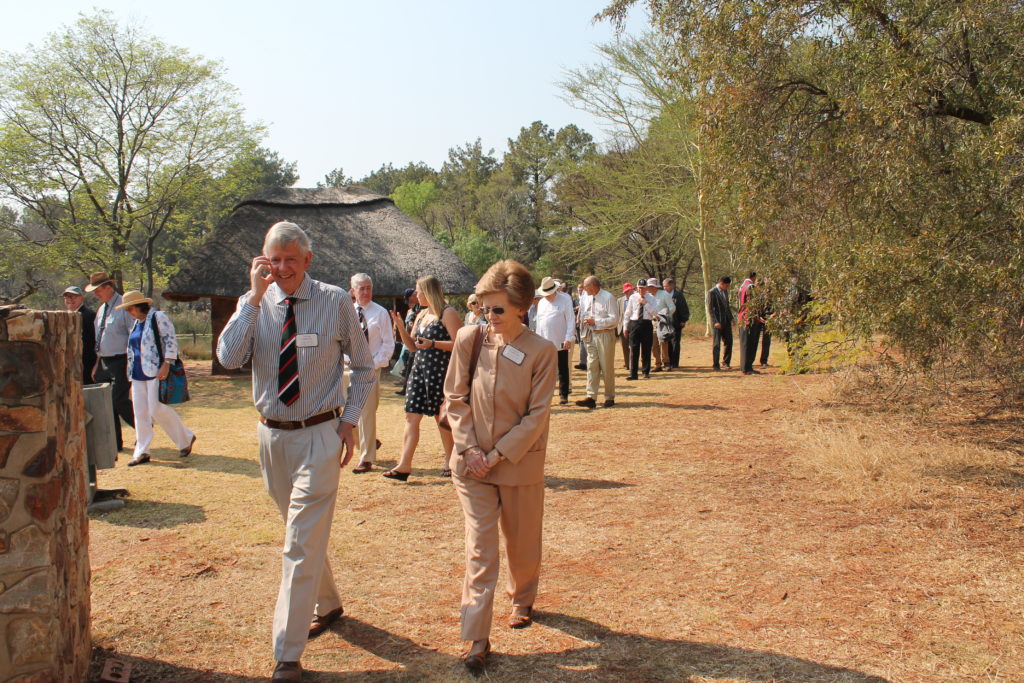
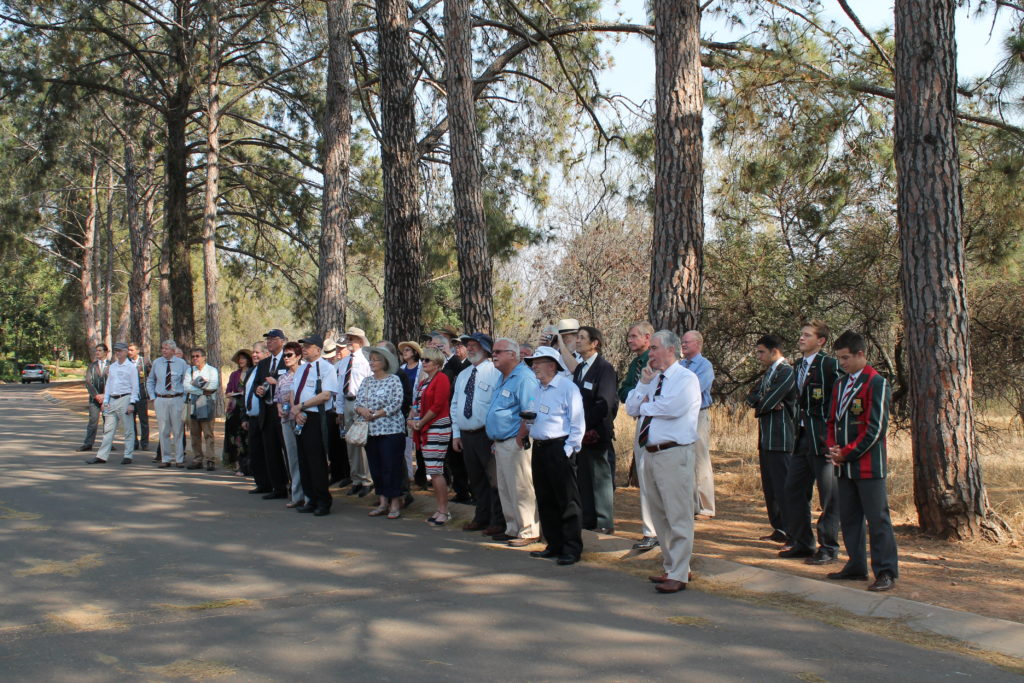
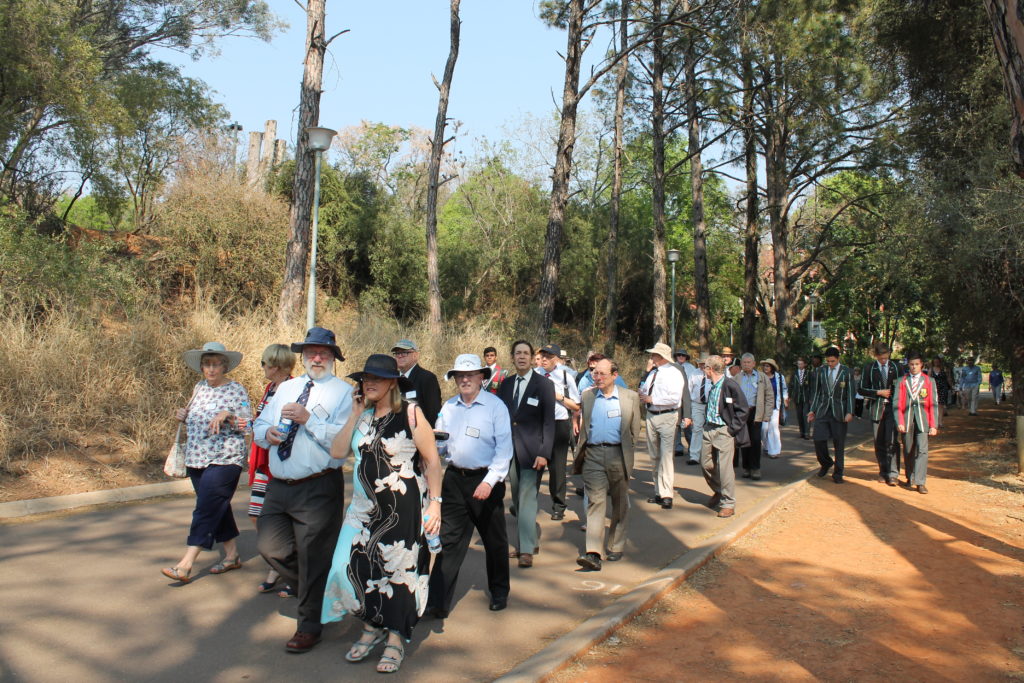
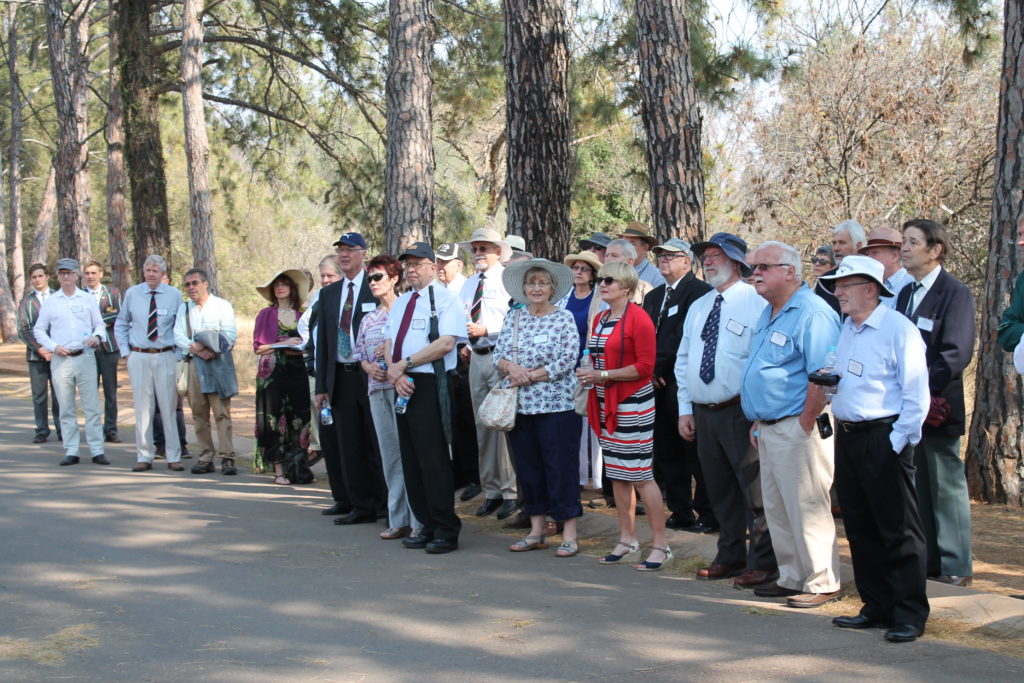
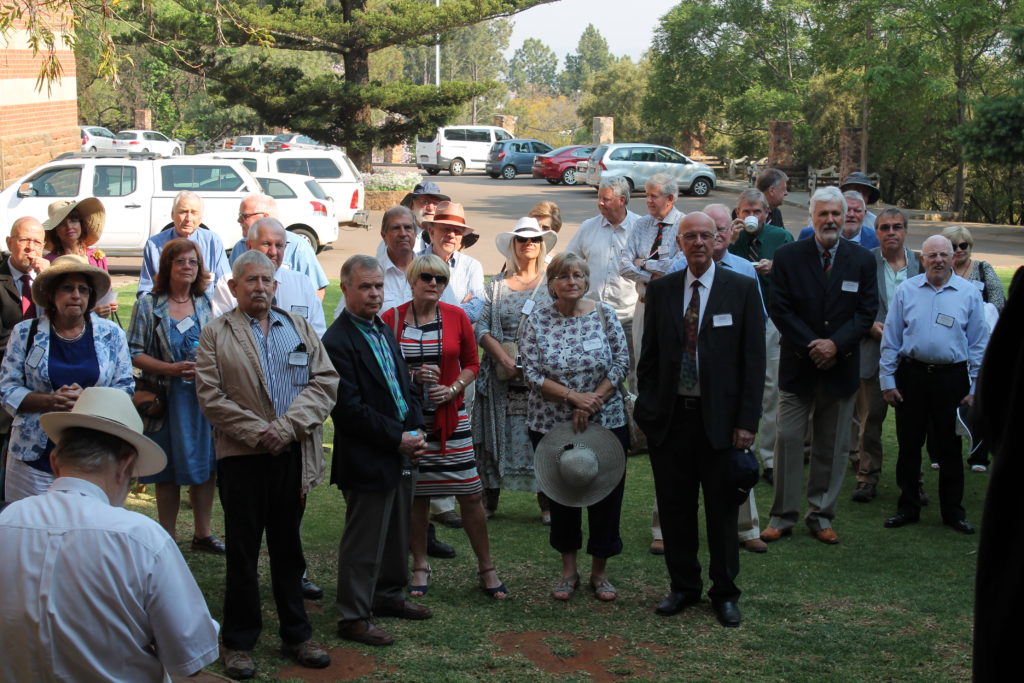
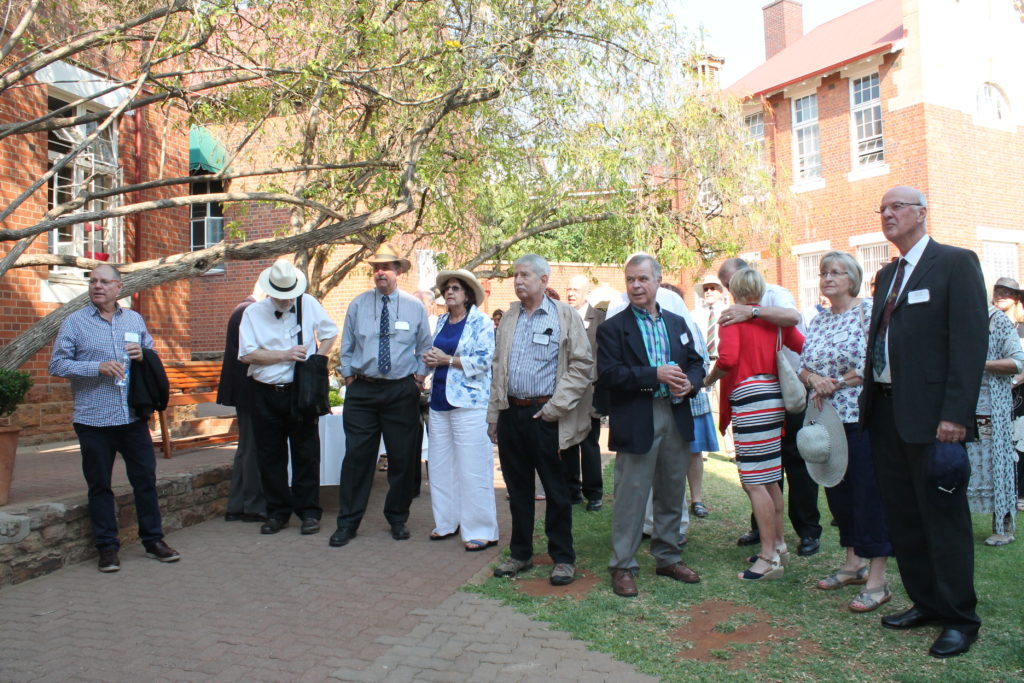
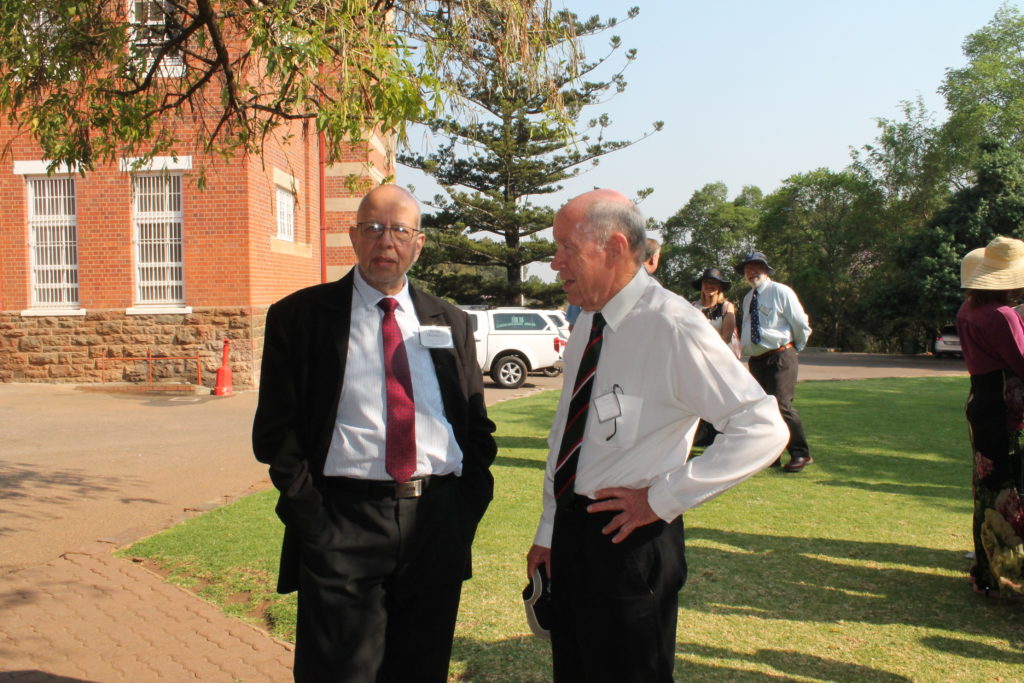
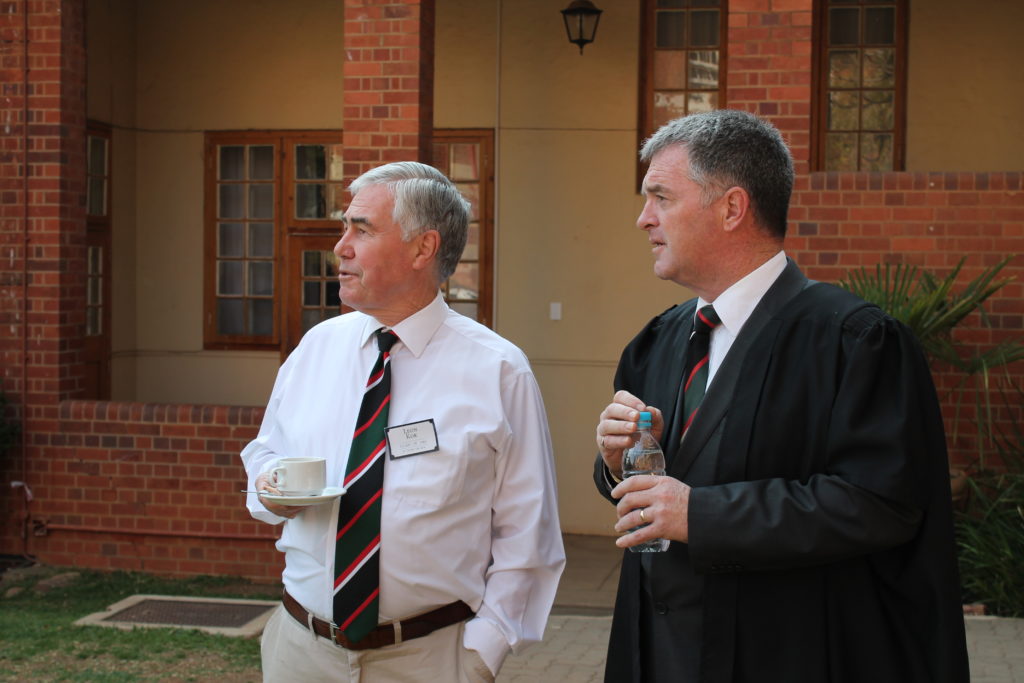
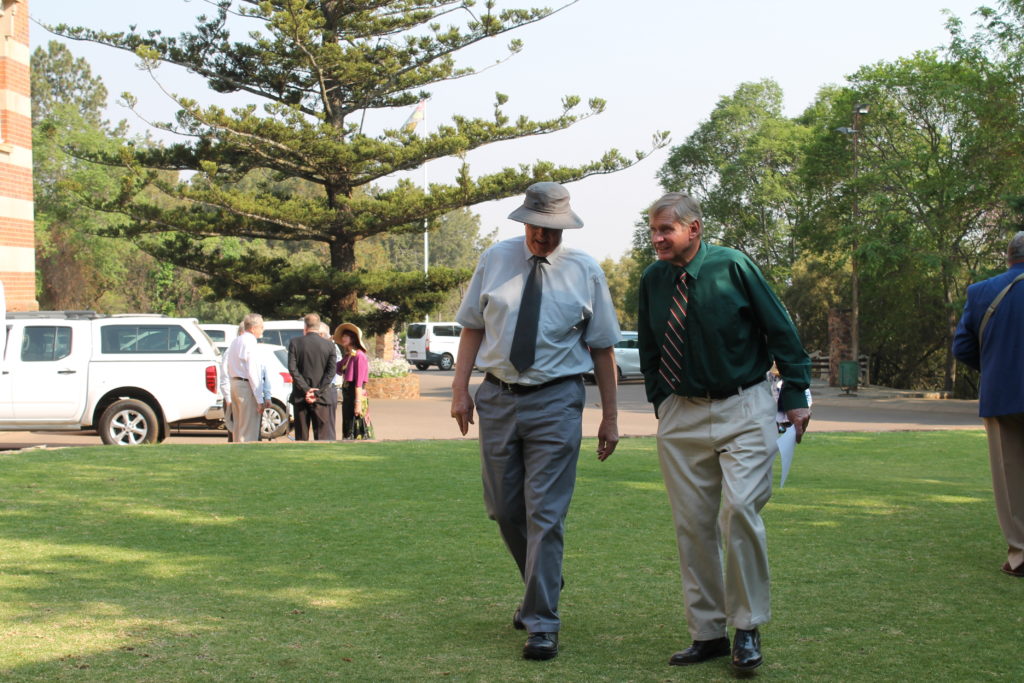
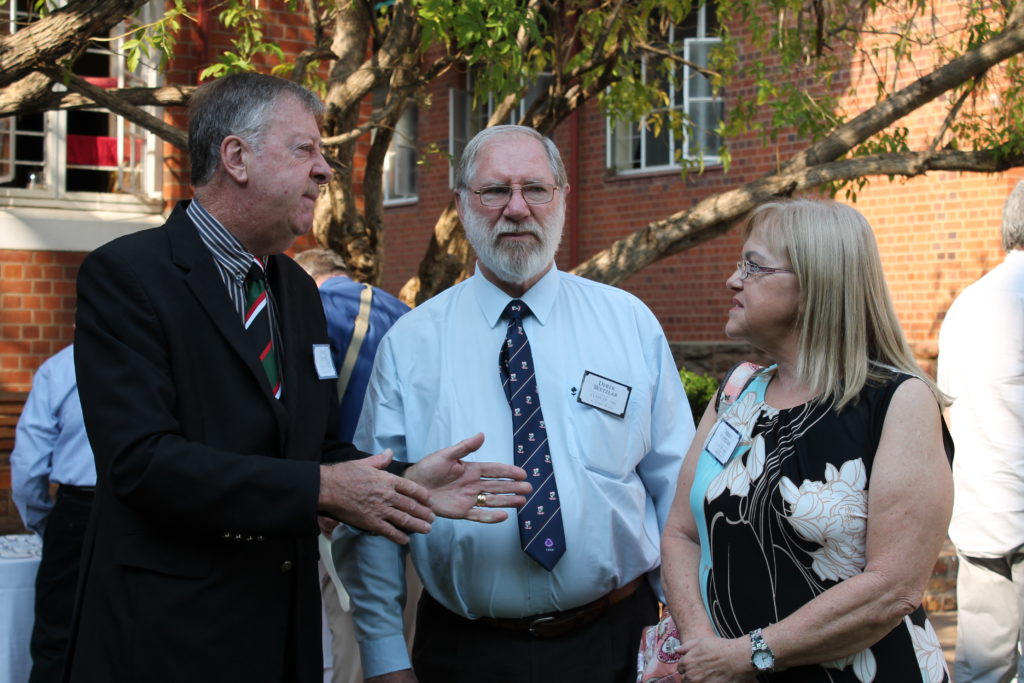
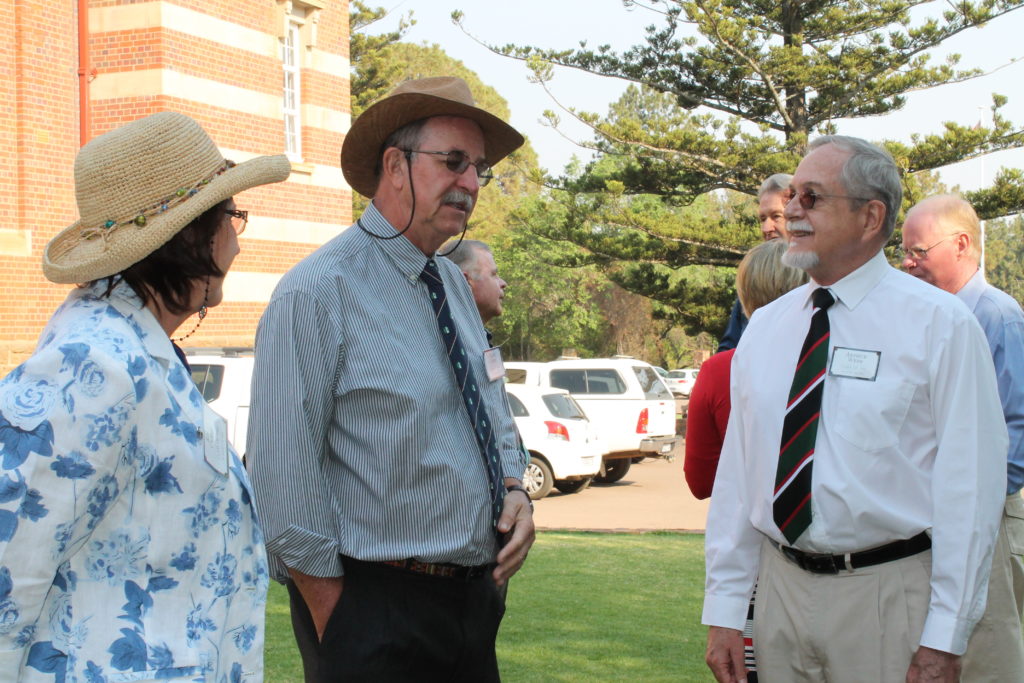
Reflections on a PBHS, “Fifty Years On” visit and celebration
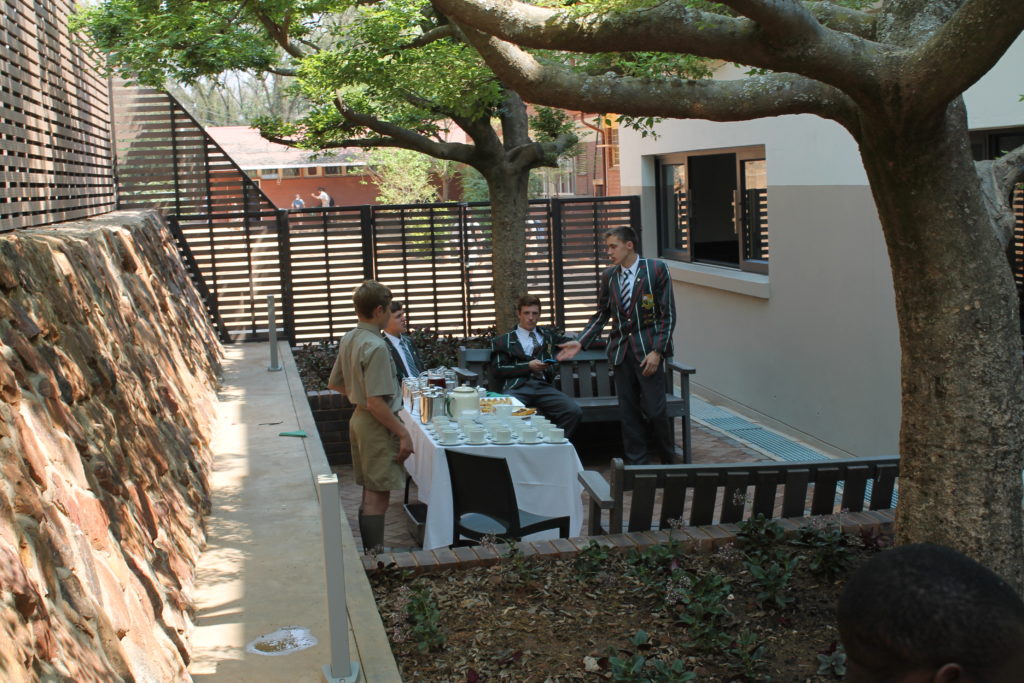
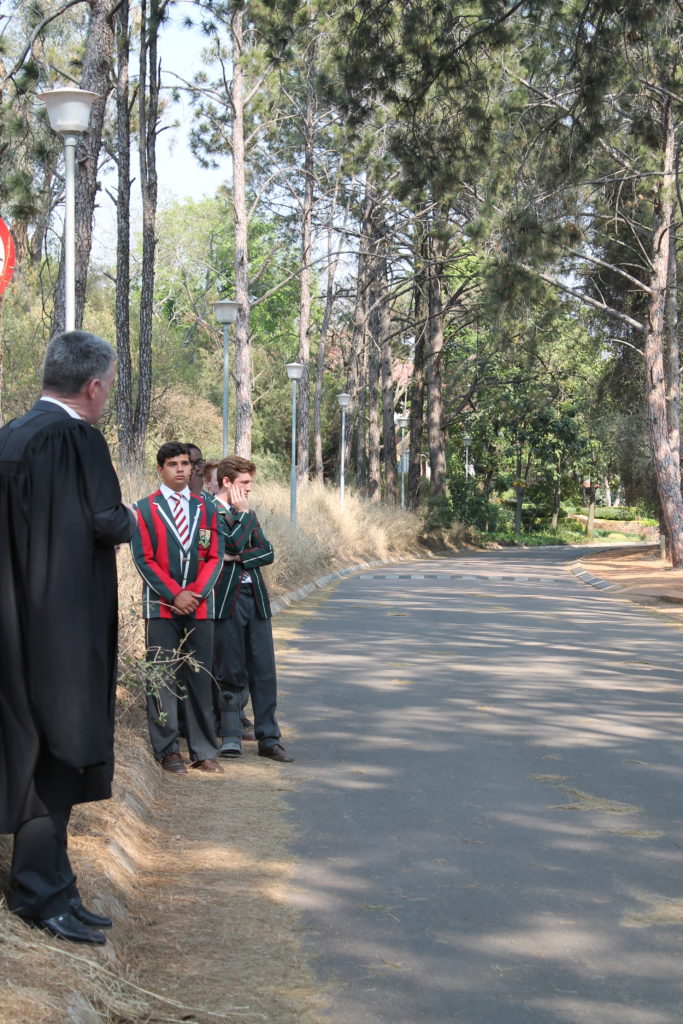
The first thing that struck me was the behaviour of the boys. I would like to think back to our group fifty years ago and if we were as polite and helpful to strangers. I believe we were, but I felt a far greater sense of self-confidence in them, even extending to those we did not interact with. I will return to this later.
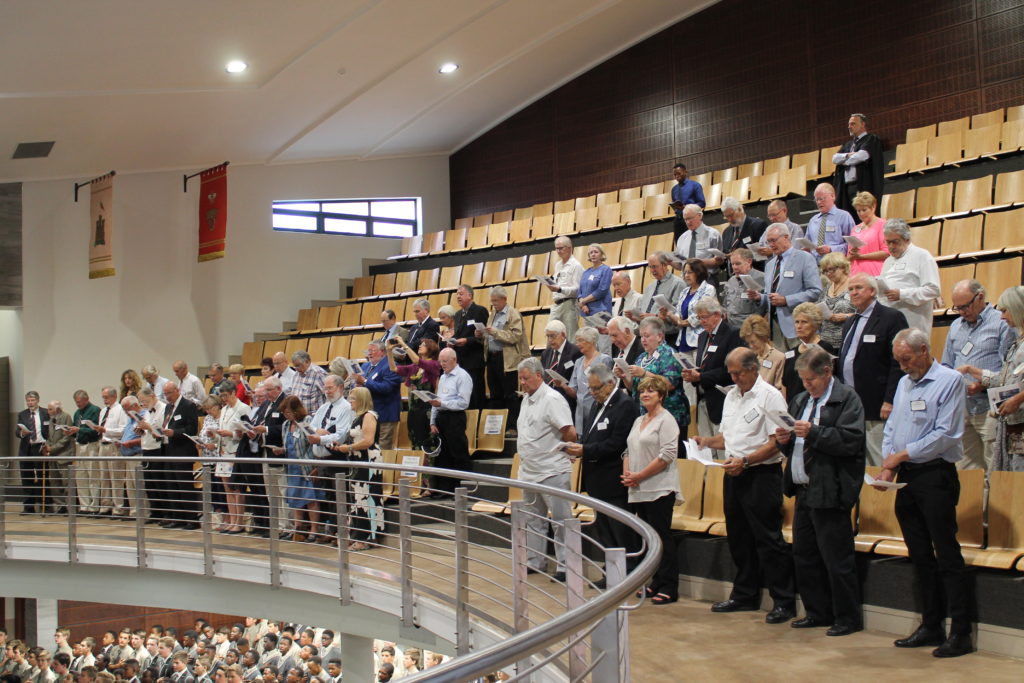
Sitting in the assembly and listening to the Dixie band I wondered how many of us remembered a similar theme of music for our matric dance? The recollections that came flooding back to me were on what was my first (and last) ‘date’ with Eleanor and I wondered whether life had been kind to her!
Then sitting and listening to Ian, so confident of voice, yet knowing that the sands of time were running out. What bravery! What character! A true friend to all who knew him! We shall miss you Fitz!
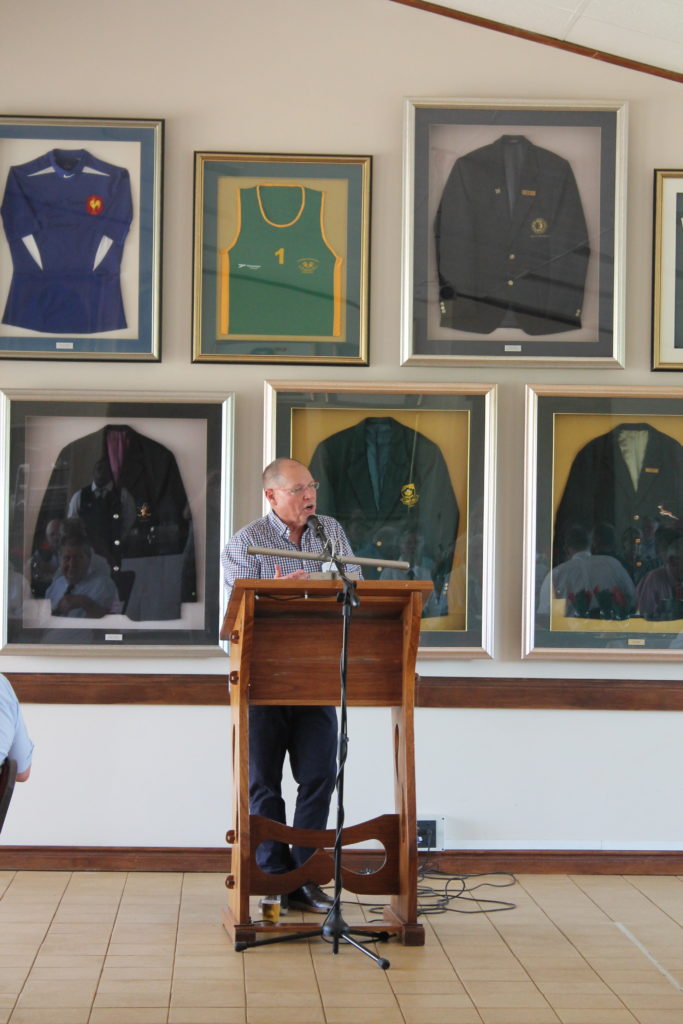
Louis’ message to the boys on leadership and fortitude; that life serves up its albatrosses for all of us just as it did for Shackleton, and that it is in acknowledgement of our mistakes and humility in addressing them that we find personal strength and salvation.
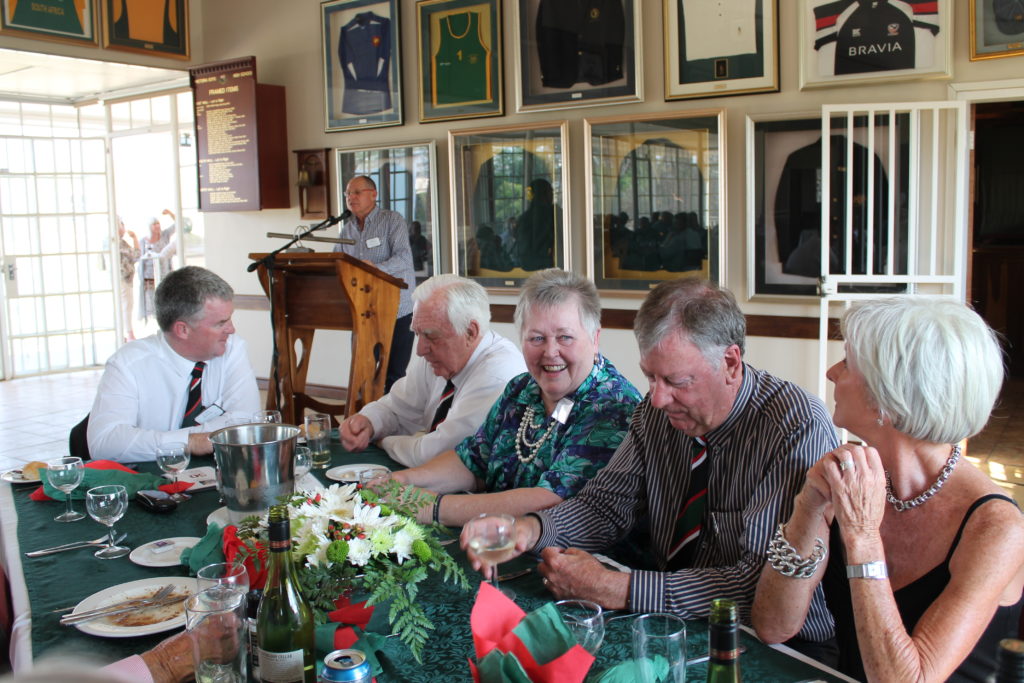
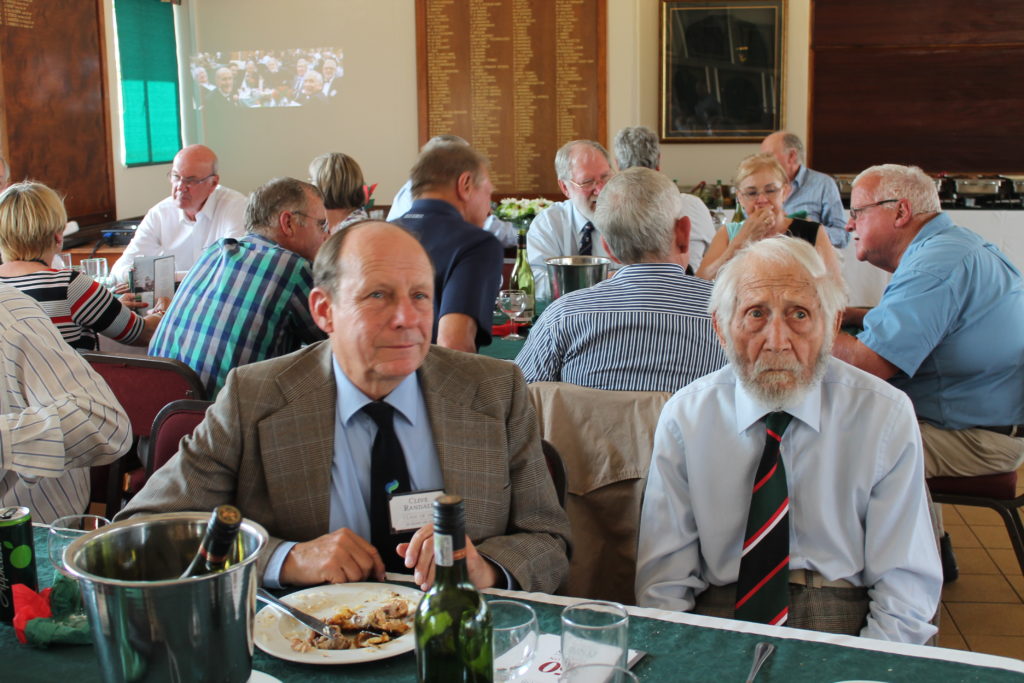
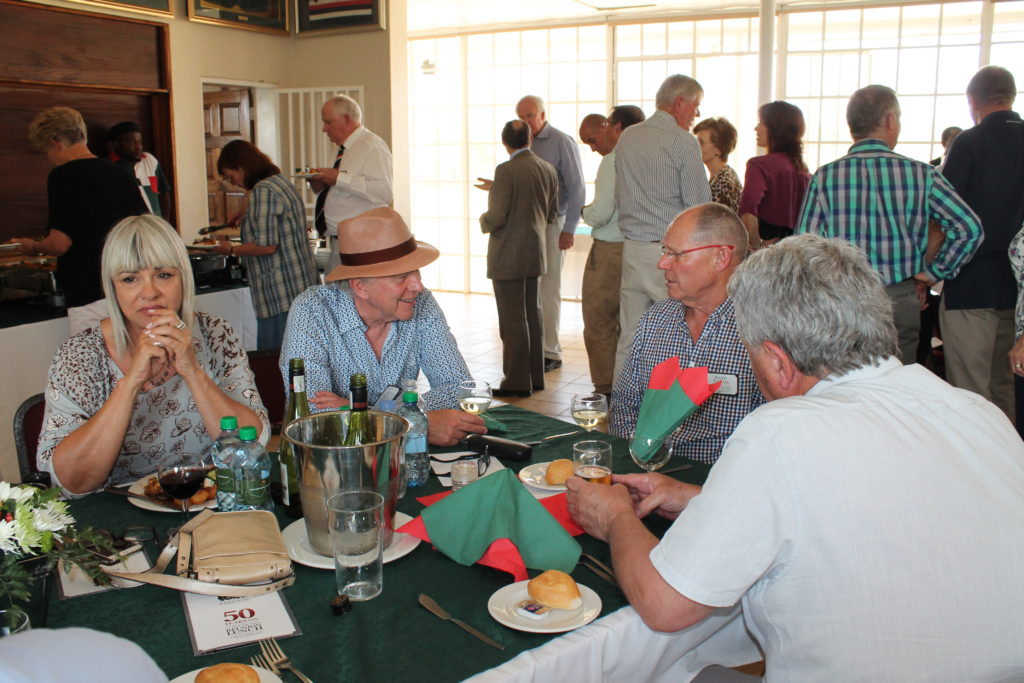
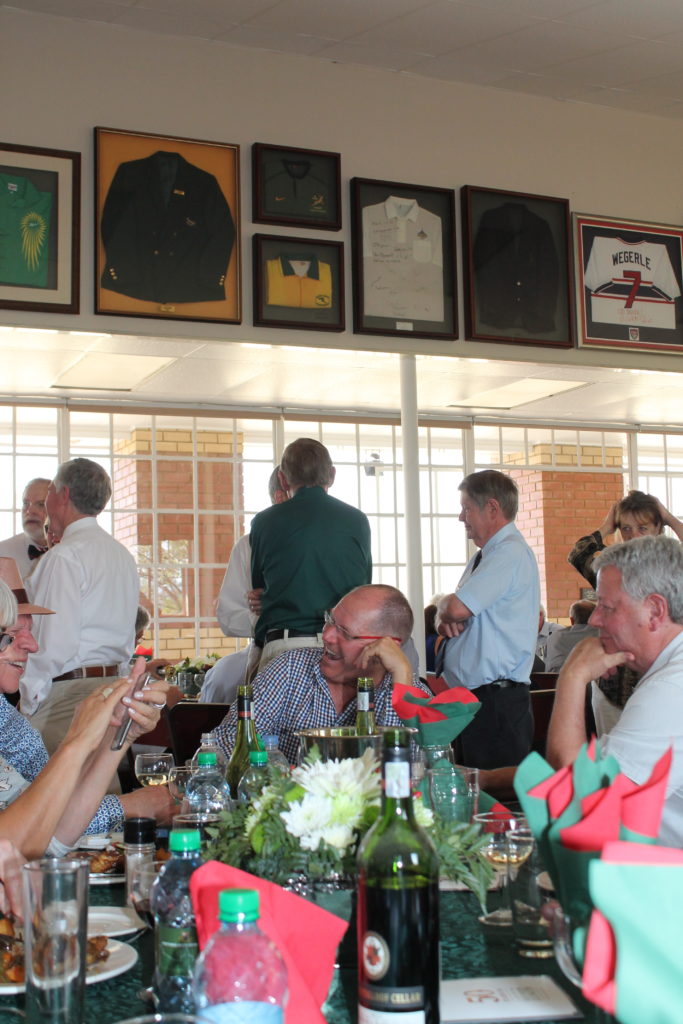
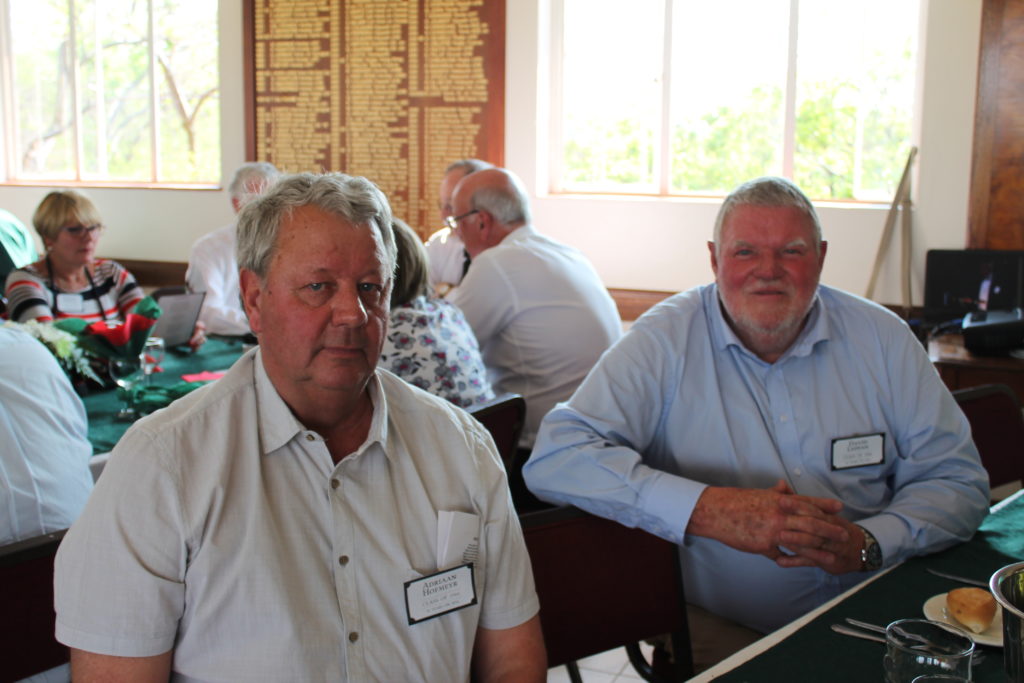
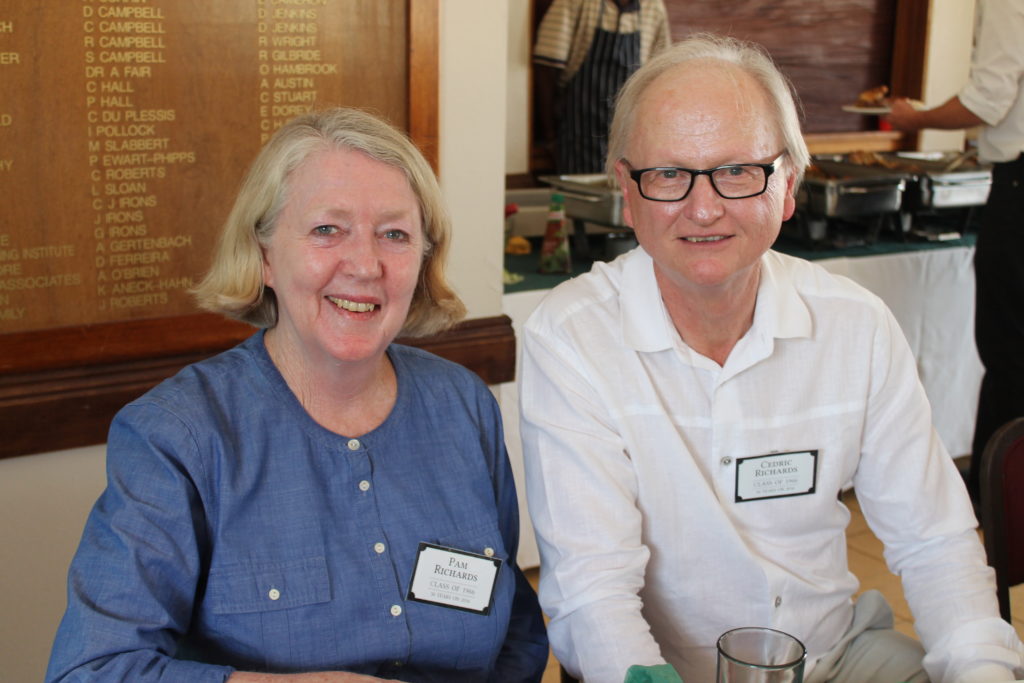
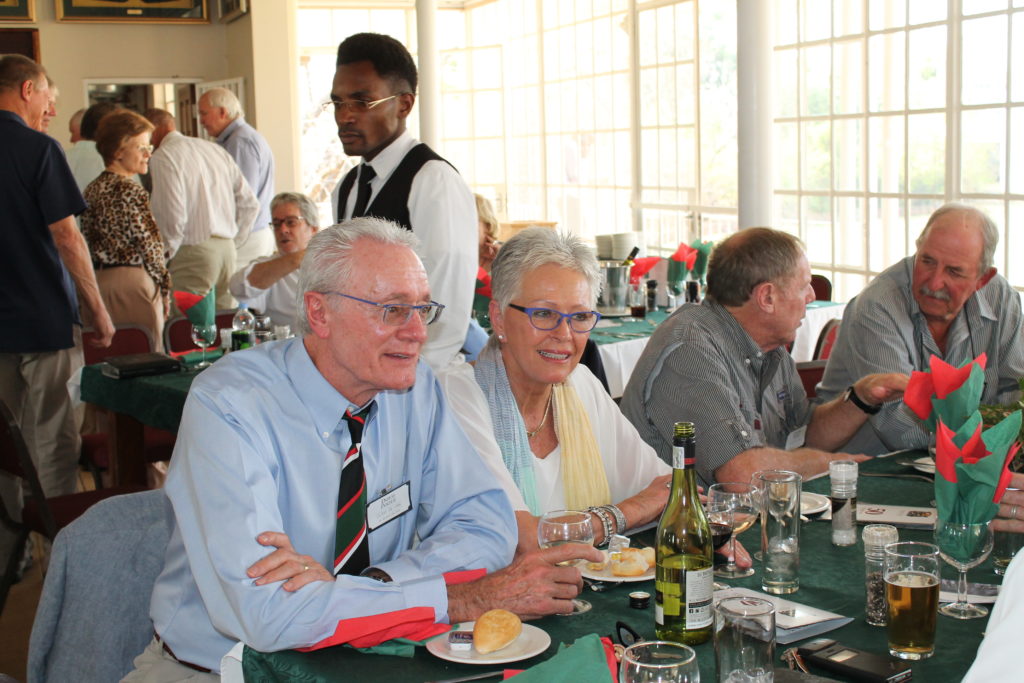
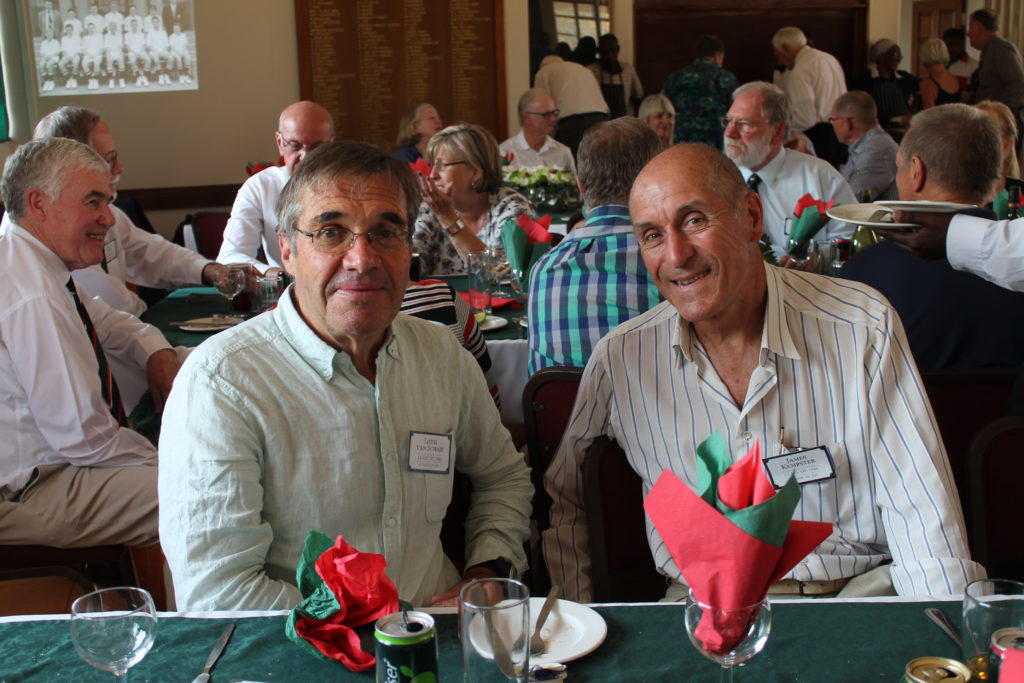
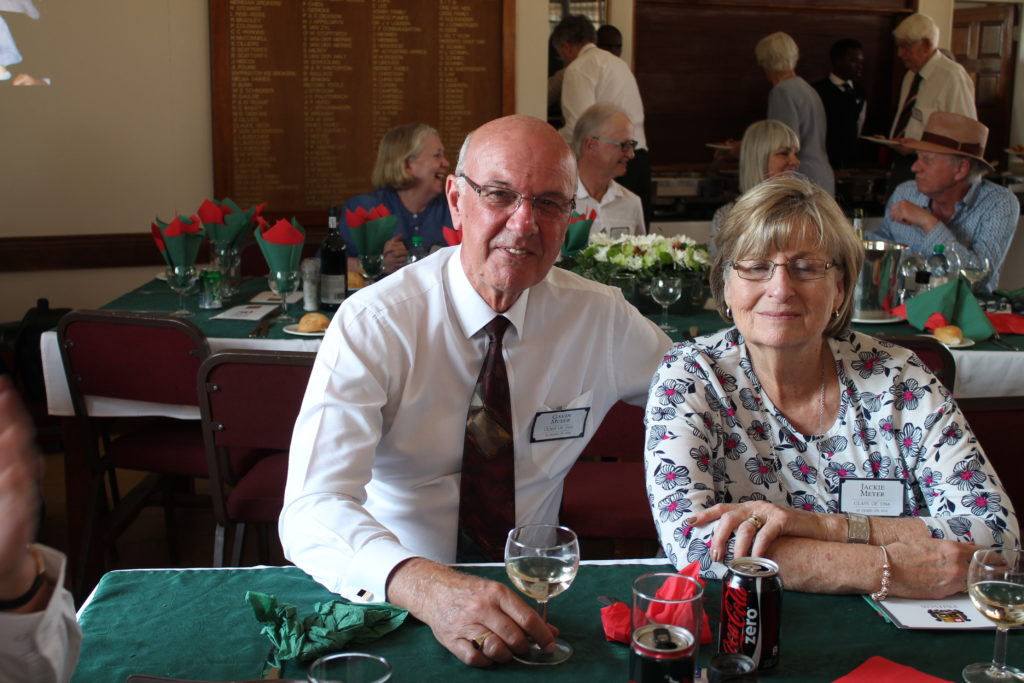
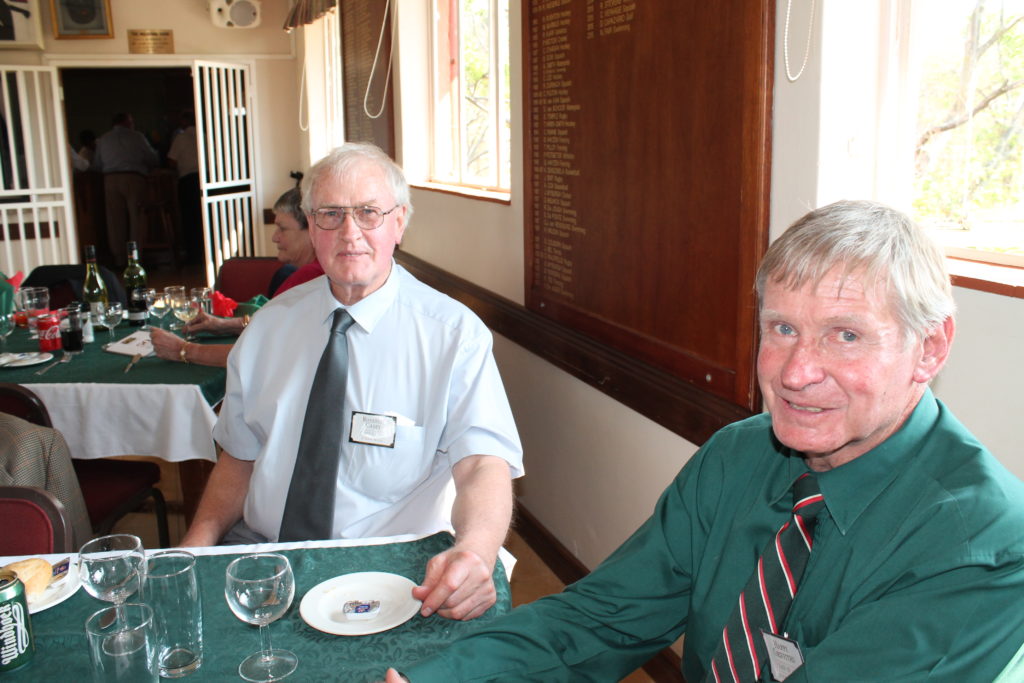
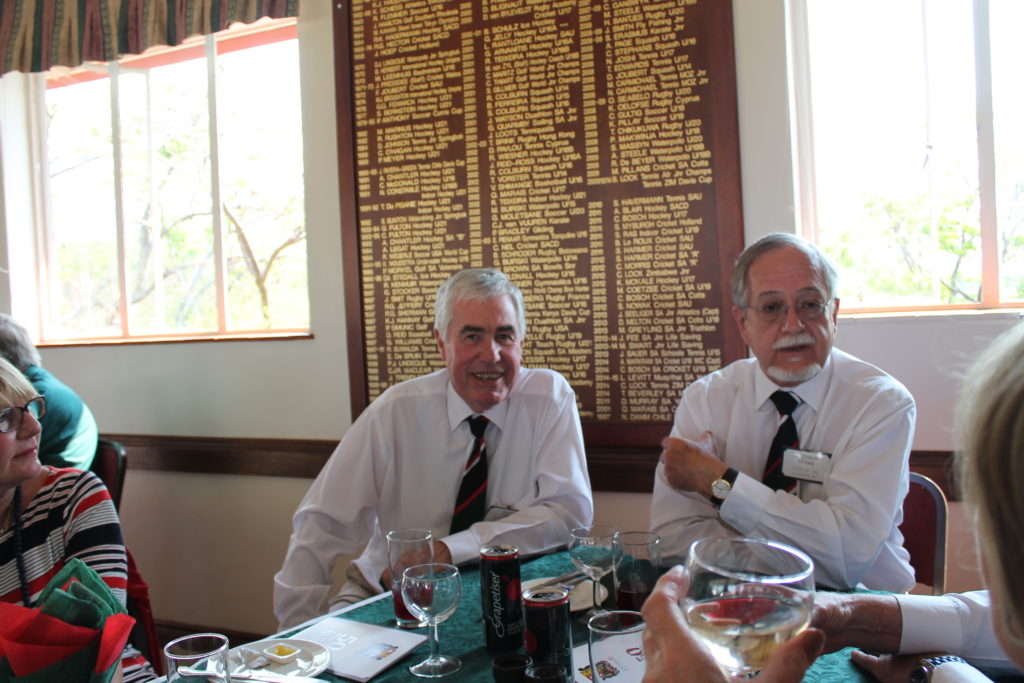
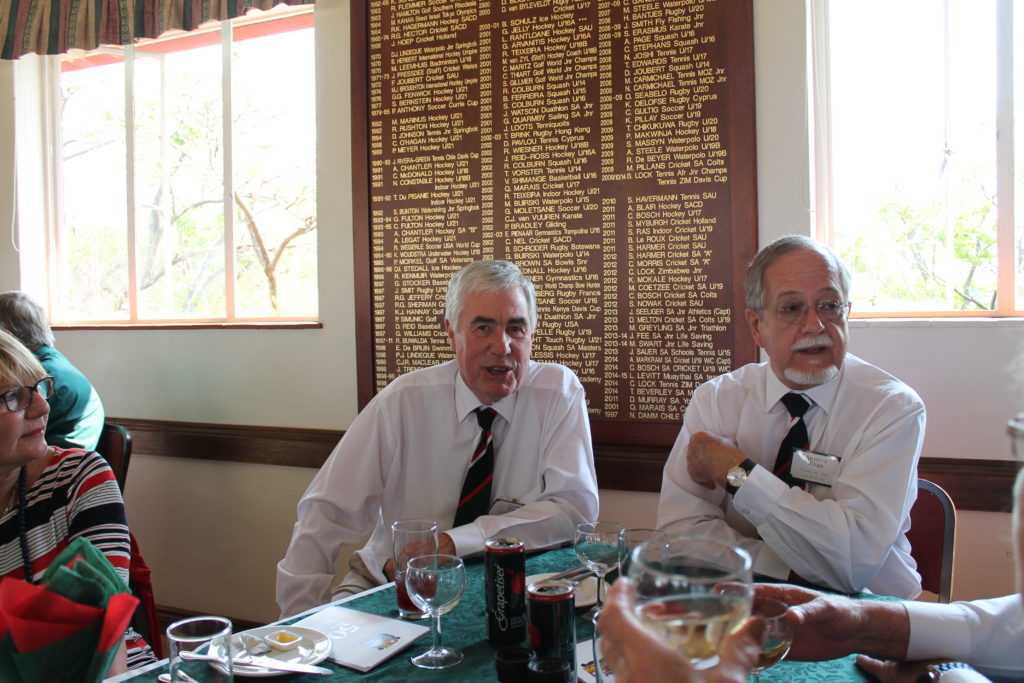
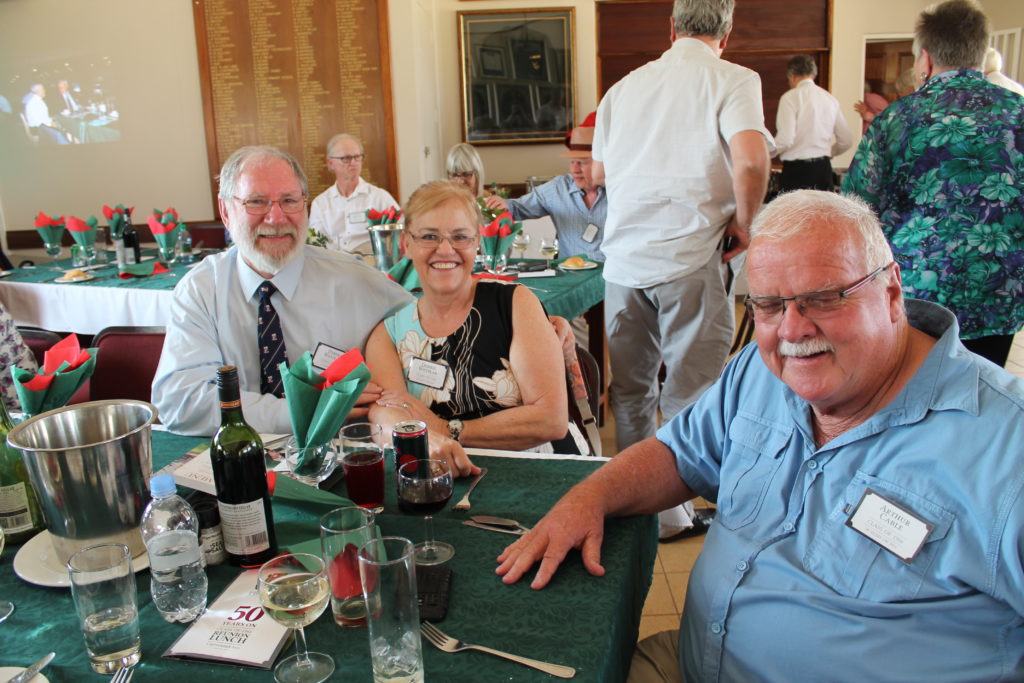
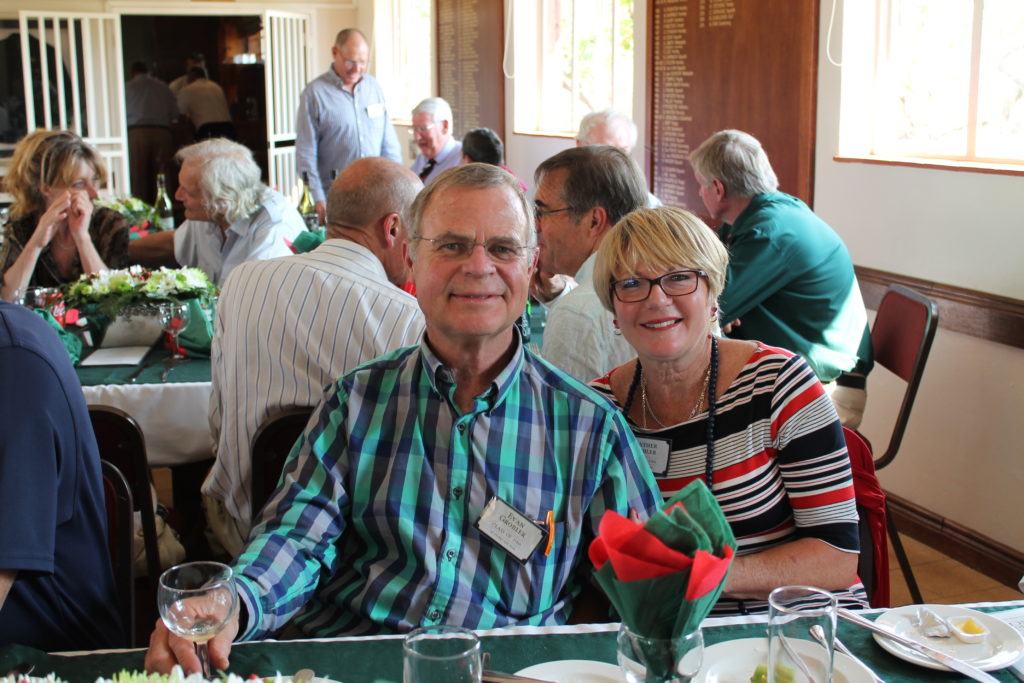
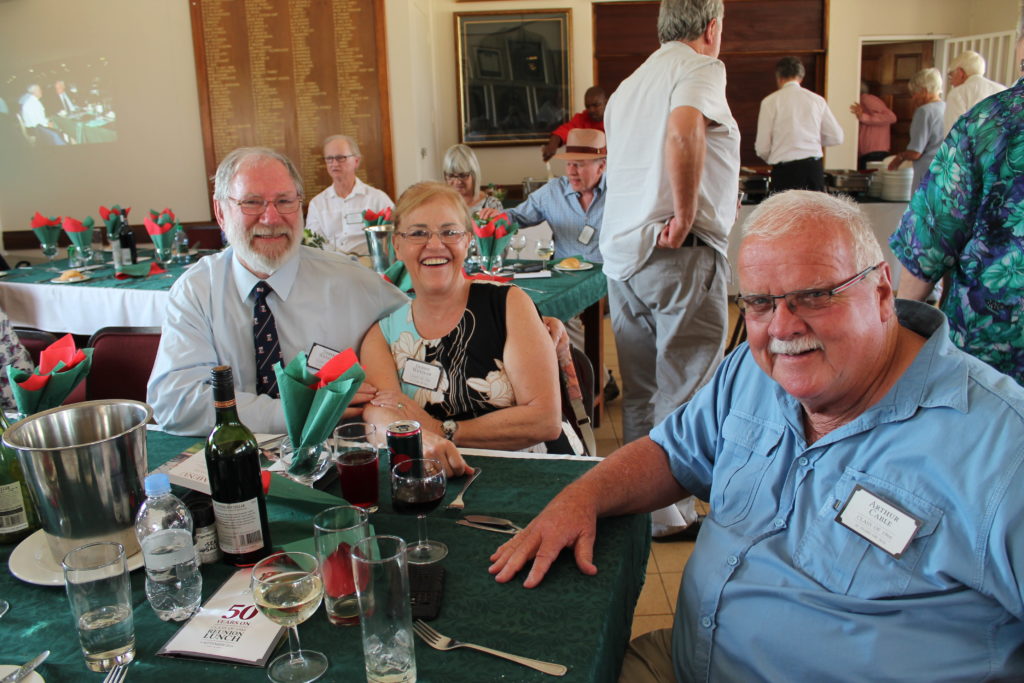
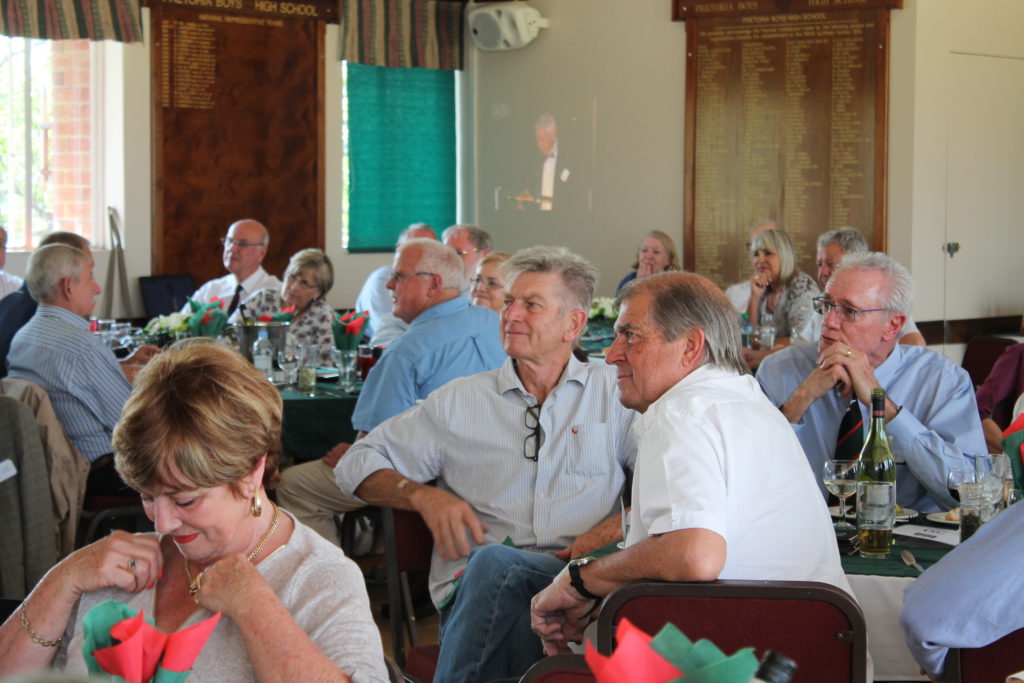
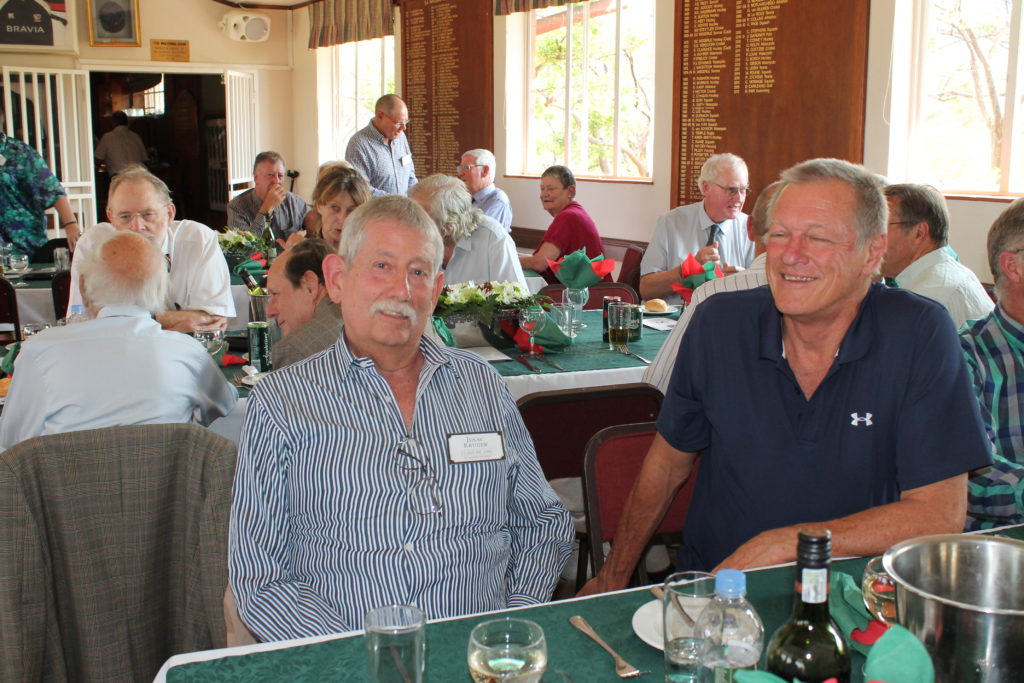
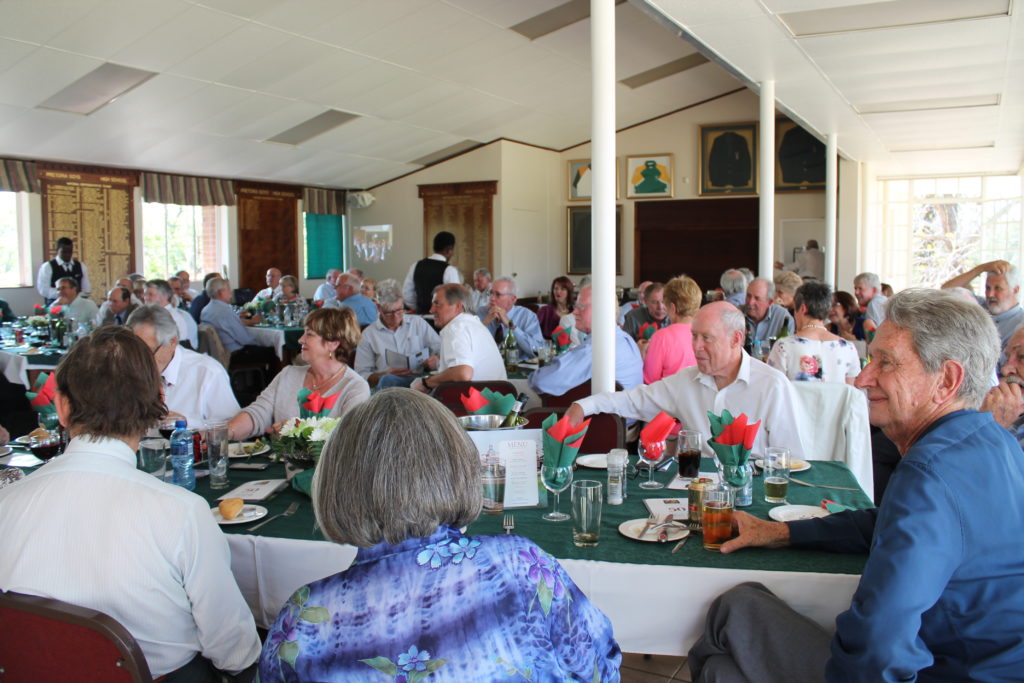
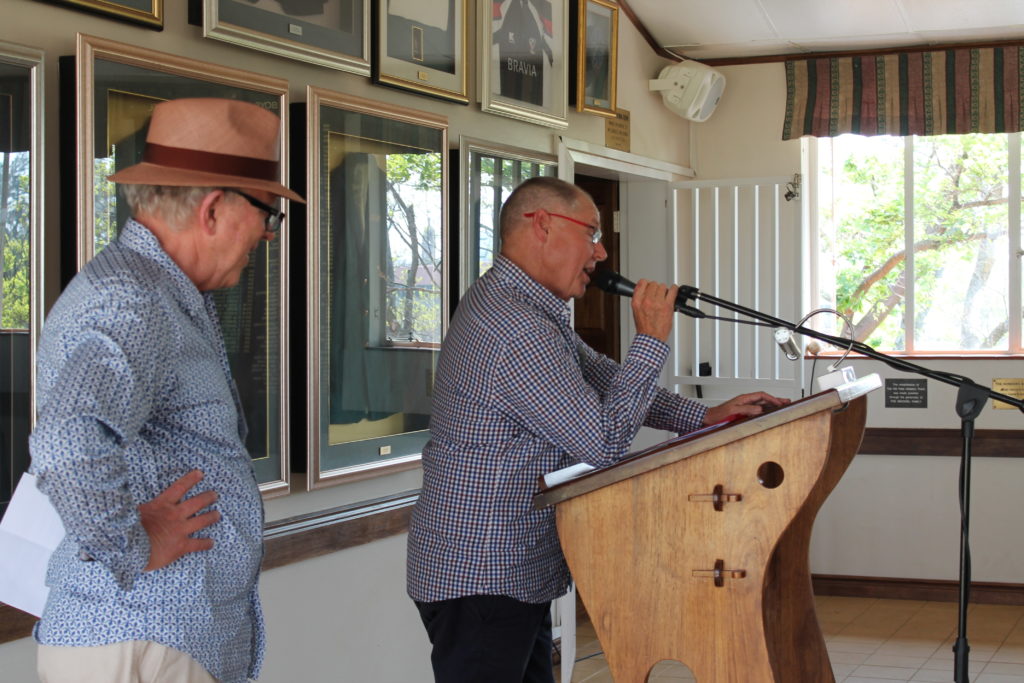
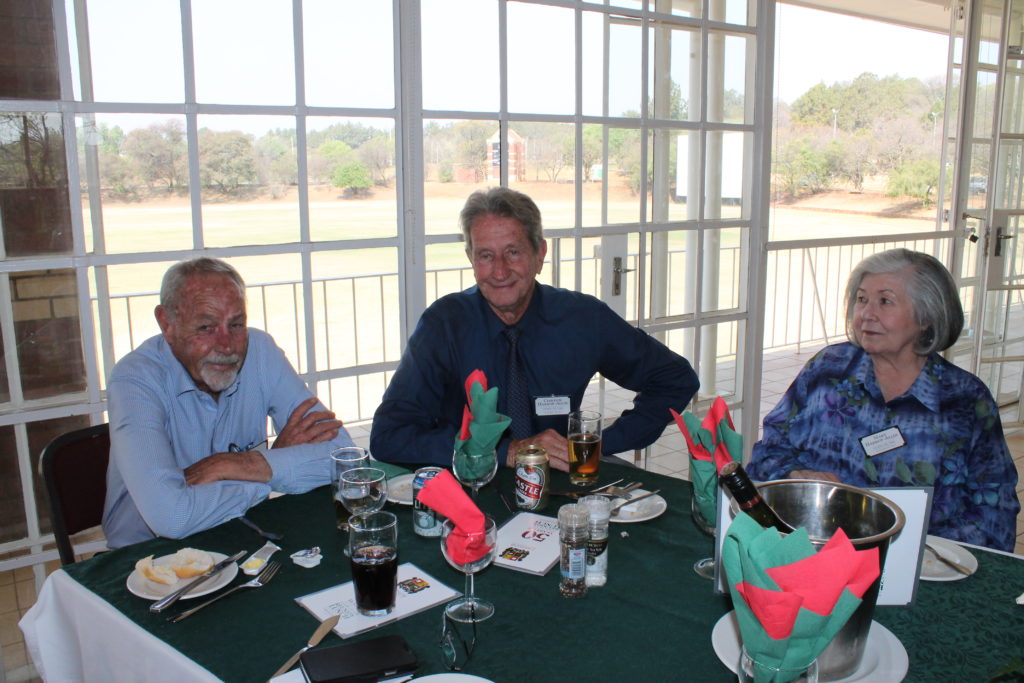
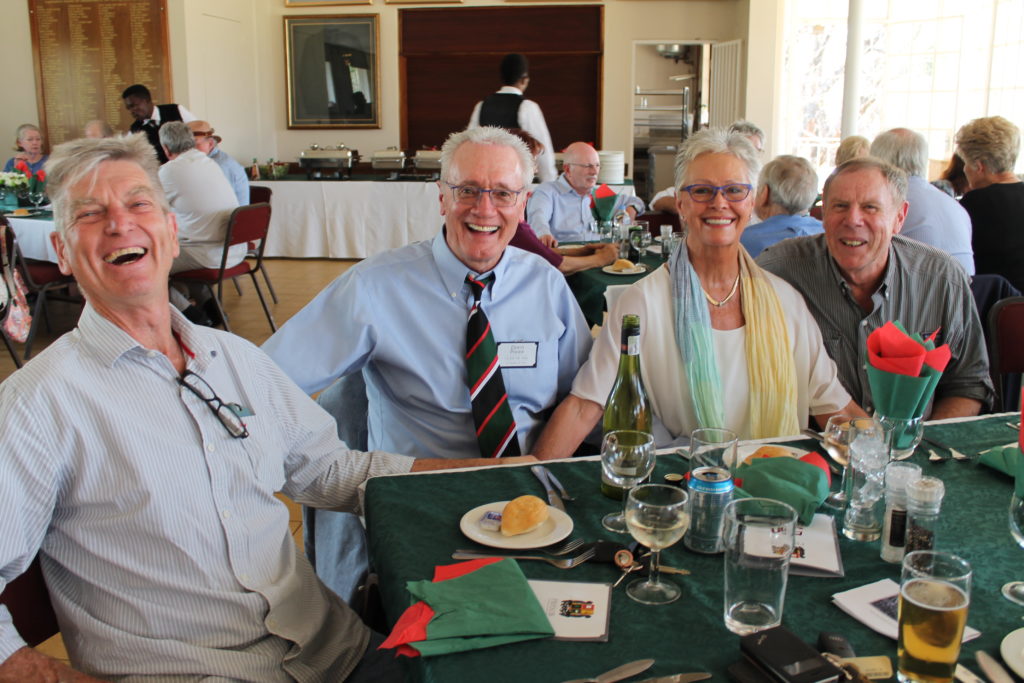
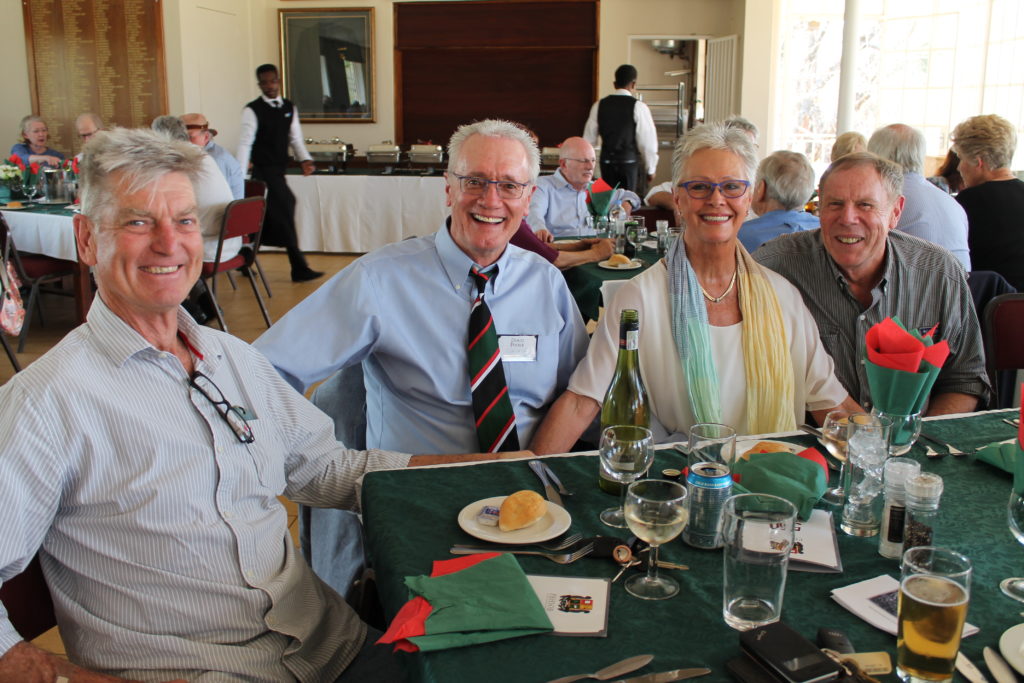
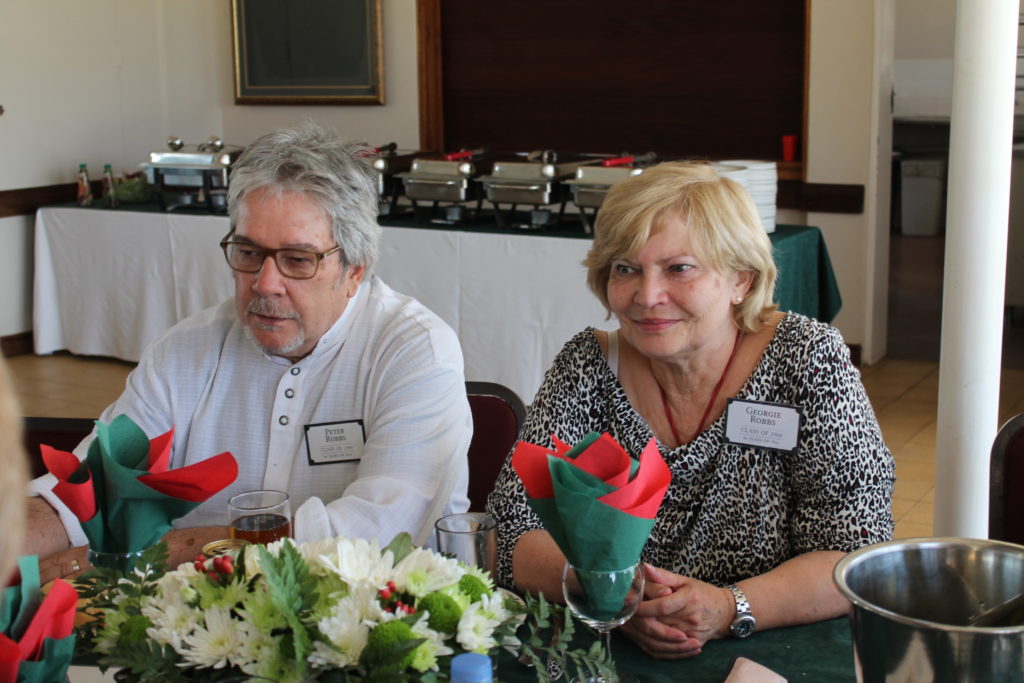
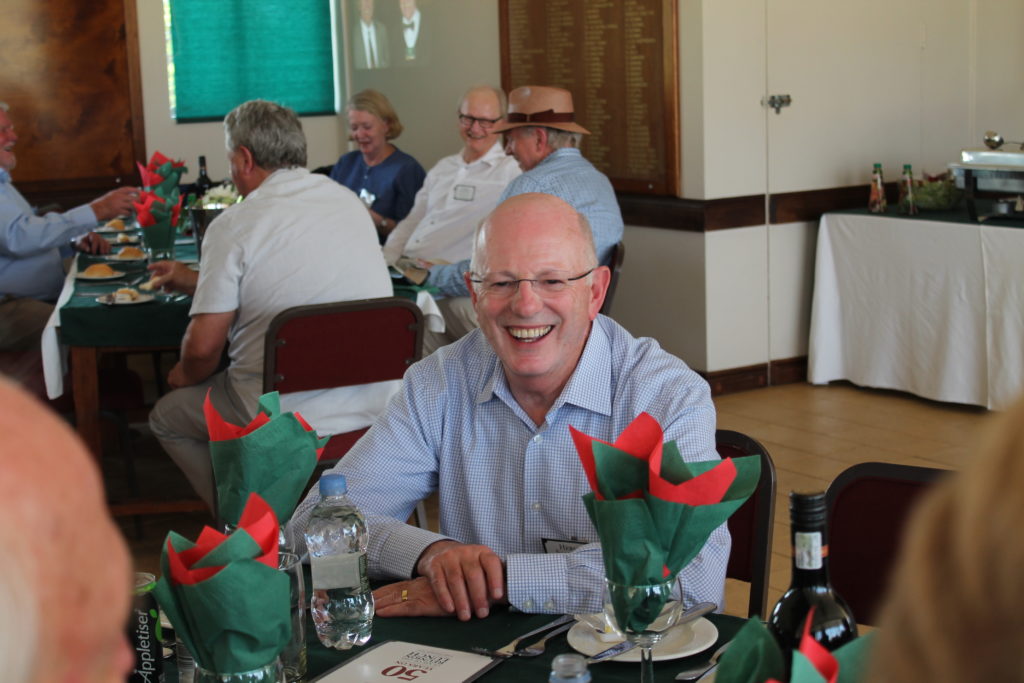
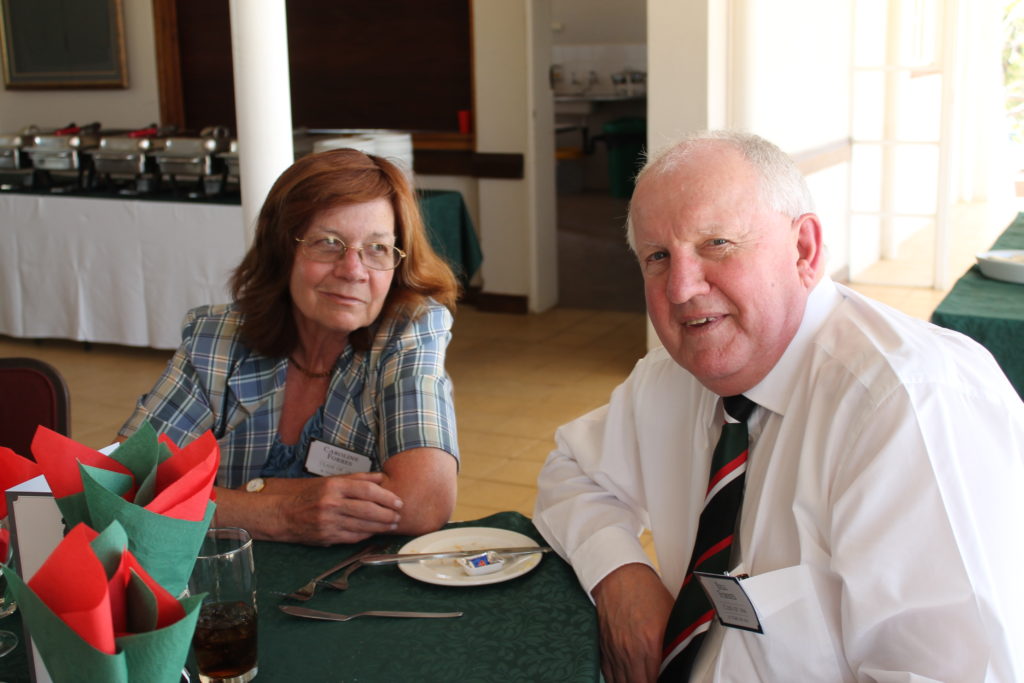
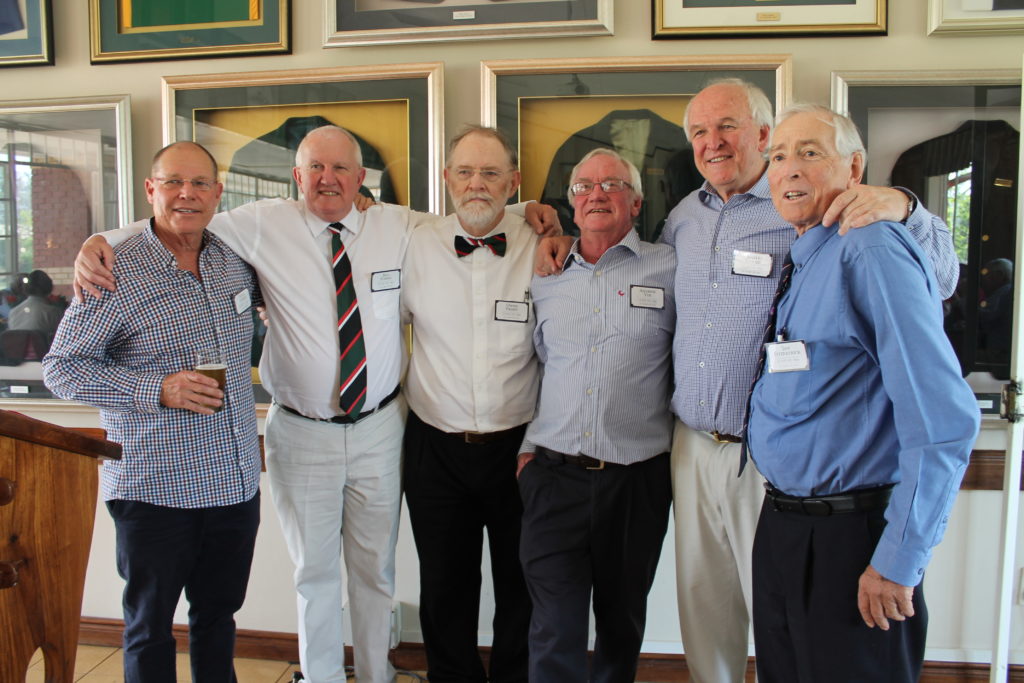
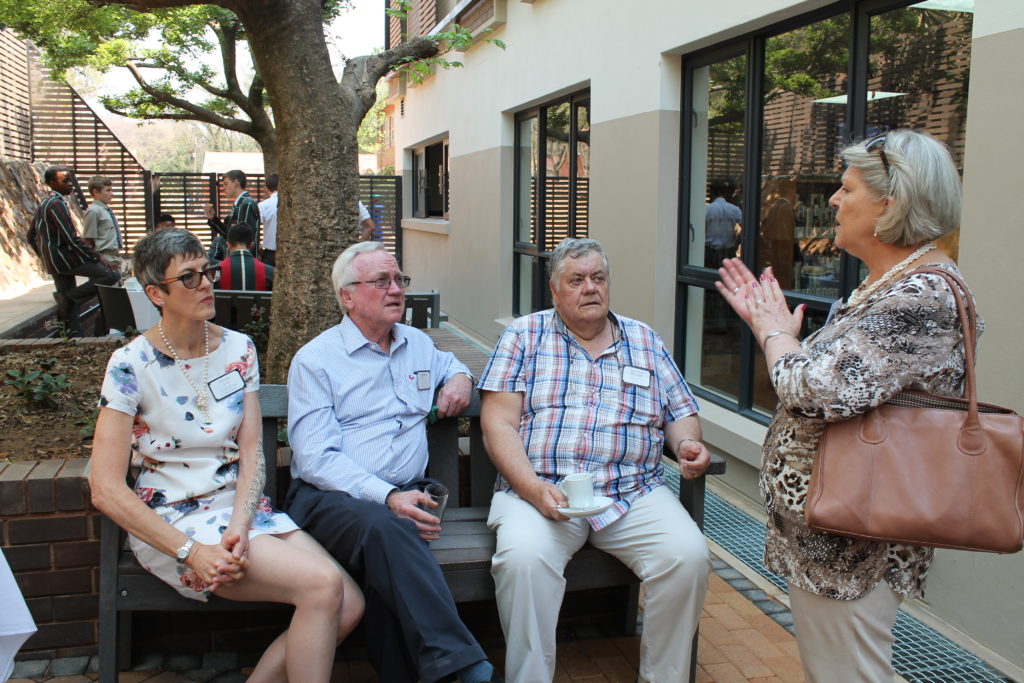
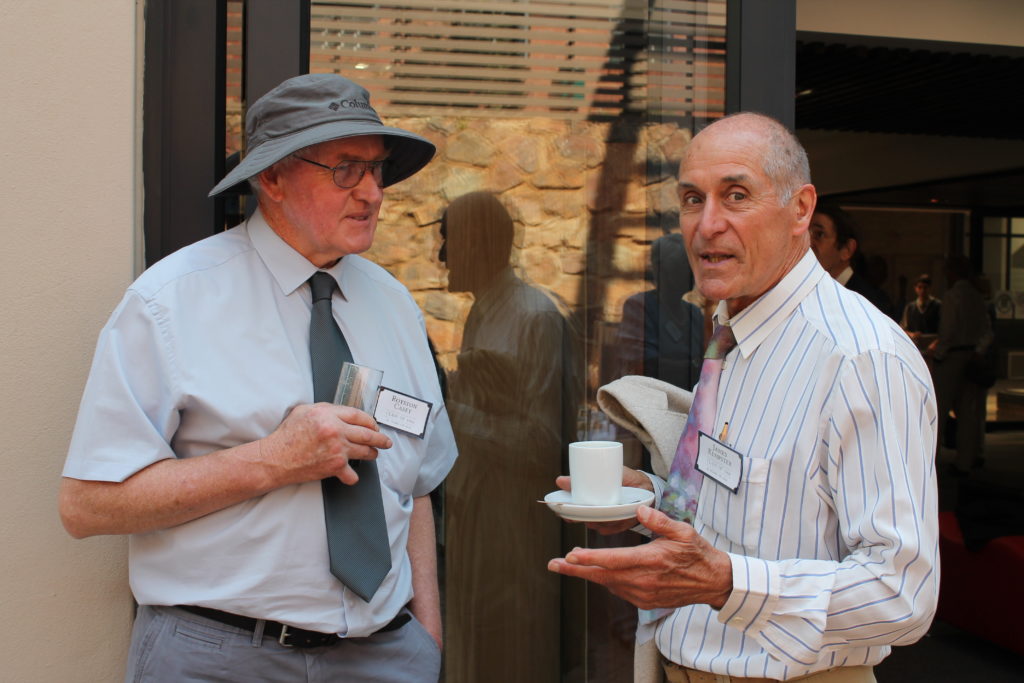
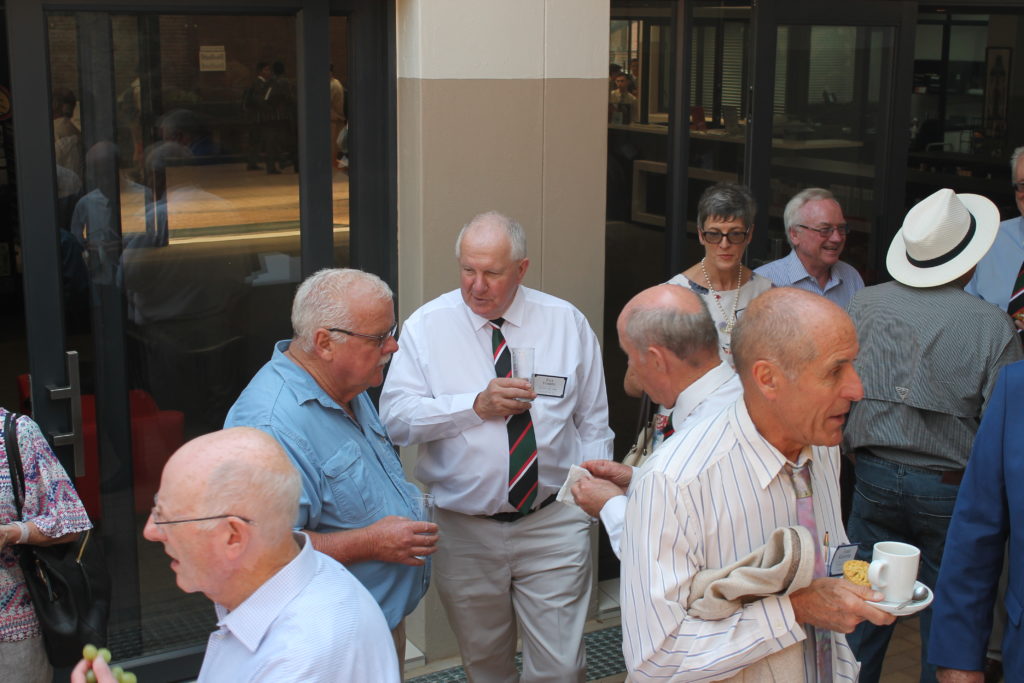
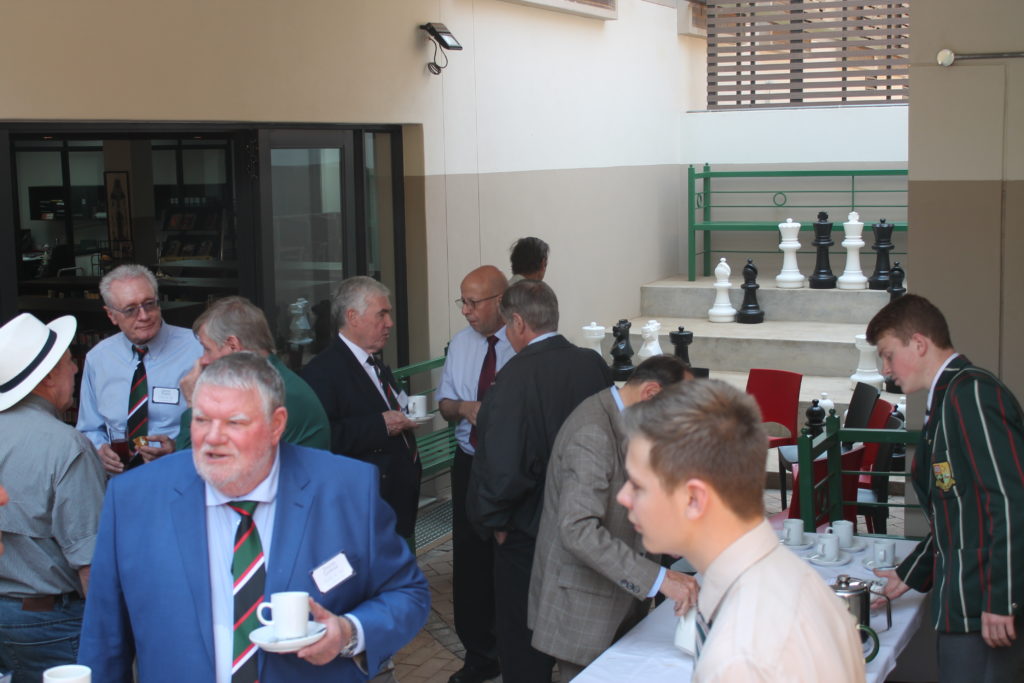
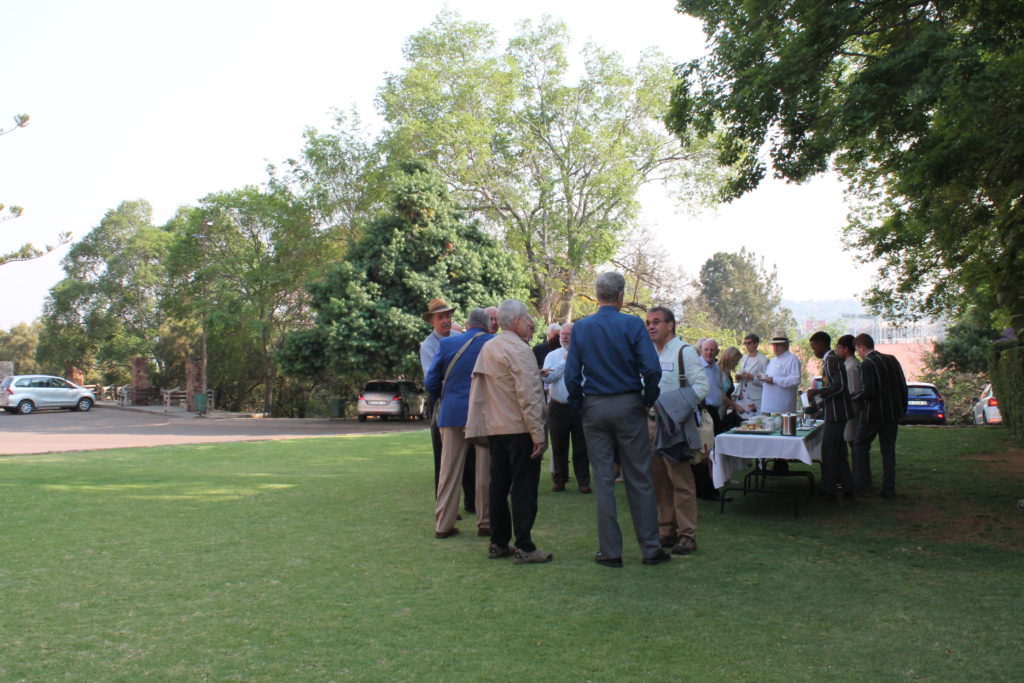
At lunch, it was a joy to meet with old ‘gabbas’ and their ‘better halves’/’partners’ (pc) and to hear, if only very briefly, the story of lives lived, families raised and aspirations fulfilled. Gray added spice to a delicious meal and Bill had a good message to tell, but it was ‘Diggers’ commitment to his life’s work on the KZN coast that struck an environmental chord in me harking back to Louis’ speech, with the fate of the albatrosses of the Southern Ocean and the leadership fortitude with which South African ornithologists have tackled the threat to their species’ survival.
Returning to the self-confidence of the boys, I would like to extend my sincerest gratitude to every teacher who has taught at the “School on the Hill” but more particularly to those today so engaged in preparing these young men for life. I believe it was a far simpler task fifty years ago, as the world seemed a less complicated place then, and cushioned by the apartheid state, concerns about careers and the future were mute by comparison. I wonder if anyone remembers the quiet derision with which we greeted the recruiting Brigadier of Police?
But what has changed? If we looked back fifty years ago to our fathers’ generation we saw men who spent their lives in a single profession or place of work and my guess is that at least half of us in our lives were similarly blessed with the security, if sometimes the boredom, this implied. Ours has been a complex world, yet it would be fair to say that by 1966 the threat of a nuclear Armageddon was already subsiding and if computing has altered our lives we have been the beneficiaries.
In turn the lives of every generation of humanity throughout history has always shared an unknown future. A few of us might have faced two or three careers in our lifetimes, although these have usually drawn from a common thread of skills or training. Yet what faces today’s youth is the age of “super-complexity”.1 If we grew up learning about an Industrial Revolution and its subsequent iterations through our twentieth century, the term itself now is inappropriate: it is no longer industrial and embraces intellectual shifts as much as it does physical change.
Where does this leave education and educating for this unknown future? Of course even our teachers were unaware of what the future held as they set about trying to impress on us the value of education! But is there something different in the twenty-first century? Yes, I believe there is, if futurist thinkers are to be believed. It is estimated that the majority of jobs existing in the world in twenty to thirty years’ time have not yet been imagined, let alone exist! The nature of ‘work’ appears likely to undergo dramatic changes in the lifetimes of the class of 2016 with all the emotional and social implications this will entail.
The rise of artificial intelligence is likely to revolutionise the nature of work for many. Will this be good for humanity? The verdict awaits us with protagonists envisioning a bright future. On the other hand scientists like Stephen Hawkins urge caution. This is a world facing an information explosion and corresponding to that, the exponential growth of our ignorance, requiring shifts in what constitutes knowledge and how to acquire and use it. This has to become the central focus of learning for this future.
The past generation has placed great emphasis on skills development to a point where the humanities disciplines have seen the need to defend their right to exist in our universities. The whole thrust of tertiary education has moved in a practical direction over the past decade, yet even here there is a growing recognition that a super-complex future has already hinted at limitations in this approach. The pace of technological change in disciplines such as computer and information science indicate that the shelf life of current systems and skills is less than a decade and falling. This means that generic skills education for ‘life’ no longer holds the same force as in the past. Already much is being made of the conception of ‘life-long-learning’ but what are the implications of this for basic education?
What type of education is appropriate for a super-complex future? Supercomplexity implies that there are no constants, that the future cannot any longer be anticipated to the degree to suggest an appropriate set of generic skills, or pedagogy,2 to prepare youth to meet that future. What sort of learning can assist our youth to cope with the unknown, the unanticipated?
Firstly, there is the need to teach the next generation to cope with the intellectual uncertainty and incompleteness that will frame their lives. The exponential growth in information requires that decisions be made against incomplete or an overload of evidence. This moves beyond ‘problem solving’ in the form of finding complete, reliable answers, to learning to cope with what can be achieved “knowing-in-and-with-uncertainty”.3 More than this it is how they, as individuals, can come to prosper in this environment of uncertainty.
As already indicated, in a future where, the skills required are likely as yet to be unknown and the information required is a Google search away, the emphasis in higher education appears likely to shift away from the strong emphasis on imparting of knowledge and skills. At the school level this change cannot be as dramatic. Certainly, the three ‘Rs’, along with the basic sciences and social sciences, languages, and computer literacy will remain central. Vital to all of these remains the capacity for critical reading!
It is here I wish to return to the self-confidence of the boys that struck me, reinforced by Mr. Reeler’s statistic that over 90% of the matriculants are leaving with a university entrance qualification. Is it possible, beginning at the high school level, to reinforce that confidence in dealing with what is termed the ‘articulation gap’ between school and university in ways that could even better prepare our boys for flourishing in the age of super-complexity? At one level, creating a greater awareness of what an uncertain future might present can do this. At another, how might the levels of self-awareness and self-motivation be heightened along with that self-confidence; for it is a sense of ‘being’ in an age of super-complexity and how to deal with the uncertainties that is required.
I can do no better than leave with you with this extended quote:
The pedagogical task is none other than the eliciting of a mode of being that can not just withstand incessant challenge to one’s understandings of the world, such that any stance one takes up is liable to be challenged, it is the even more demanding task of encouraging forward a form of human being that is not paralysed into inaction but can act purpositively and judiciously. It is a form of action in the face of incessant challenges that can still find reasons for such action. Such action springs from a form of being that is authentic in character.4
1 Barnett, R., (2004) “Learning for an unknown future”, Higher Education Research Society or Australia, 23,3: 247-260. 2 Approach to teaching.